Beginner's Guide to Bird Watching: Everything You Need to Start in 2026
Bird watching might be one of the most rewarding hobbies you've never tried. It's free, gets you outside, and there's something genuinely magical about spotting a bird you've never seen before. But where do you actually start?
Whether you're looking for a peaceful outdoor activity, want to connect more with nature, or just noticed some interesting birds in your backyard and got curious — this guide covers everything a beginner needs to know to start birding in 2026. No expensive gear required.
Why Bird Watching is Having a Moment
Bird watching (or "birding" as enthusiasts call it) has exploded in popularity over the past few years. Part of it is the post-pandemic outdoor activity boom. Part of it is that technology has made it incredibly accessible — you can now identify any bird from a photo or sound recording using your phone.
But the real appeal? It's surprisingly meditative. You slow down. You notice things. And unlike many hobbies, you can do it anywhere — your backyard, a local park, during your lunch break, on vacation.
Getting Started: What You Actually Need
Let's cut through the noise. Here's what beginners actually need:
1. A Pair of Binoculars (Optional to Start)
You don't need to spend hundreds on optics right away. Many birders recommend starting without binoculars — just use your eyes. Once you're hooked, a decent pair of 8x42 binoculars in the $100-150 range will serve you well for years.
"You'll probably get more use out of a pair of binoculars, they're easier to use when walking around. But honestly, I started just watching the birds at my feeder and learning their behaviors first."— Reddit user in r/birding
2. A Bird Identification App
This is where technology has completely changed the game. Modern bird ID apps use AI to identify birds from photos or even just their songs. Point your phone at a bird, snap a picture, and instantly know what you're looking at.
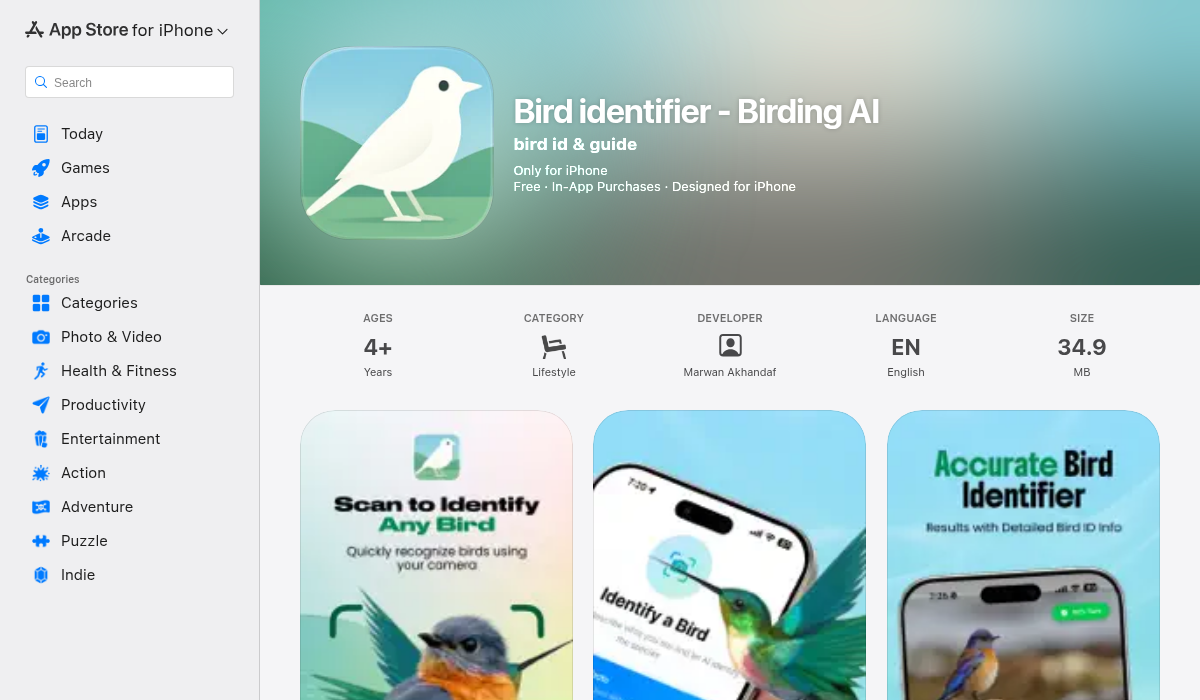
Bird Identifier – Birding AI is particularly good for beginners because it goes beyond just identification. You can:
- ✅ Identify birds from photos instantly using AI
- ✅ Describe a bird in text and get matches
- ✅ Keep a sighting log to track your discoveries
- ✅ Take quizzes to test and improve your knowledge
- ✅ Get seasonal tips for what birds to look for
- ✅ Access detailed species information
3. A Field Guide (Nice to Have)
While apps are convenient, many birders still love having a physical field guide. The Peterson Field Guide to Birds and the Sibley Guide are classics. They're great for browsing and learning bird families.
Your First Bird Watching Outing
Here's the secret experienced birders know: you don't need to go anywhere special. Your first birding location should be your own backyard or the nearest park.
"Birds are all around you. Your local ones are the best teachers. Get to know them. Really pay attention to the environment you find them in. What are they doing? What time of day are you seeing species? How do they interact with others?"— Reddit user in r/birding
Best Times to Go
- Early morning (6-10 AM) — Birds are most active, singing and feeding
- Late afternoon (4-6 PM) — Another active feeding period
- Spring and fall migration — Dramatically more species passing through
What to Look and Listen For
When you're just starting out, focus on these basics:
- Movement — Look for fluttering leaves, hopping shapes, or birds in flight
- Sounds — Learn to distinguish songs from calls. That's often how you'll first notice a bird
- Silhouettes — The overall shape tells you a lot (is it robin-sized? Does it have a long tail?)
- Behavior — What's the bird doing? Hopping on the ground? Climbing tree trunks? Flying in a particular pattern?
Learning Bird Calls: The Secret Skill
This is the tip that transforms casual bird watchers into real birders:
"The most helpful thing to start identifying birds is learning the 15 or so most common calls/songs in your area. Then when you hear something that isn't one of those, you can spend time hunting it down."— Reddit user in r/birding
Start with the obvious ones in your area — robins, cardinals, crows, sparrows. Once your brain knows these sounds, unfamiliar calls will immediately catch your attention. Apps like Bird Identifier can help you learn and quiz yourself on bird sounds.
Building Your Life List
Most birders keep a "life list" — a record of every species they've ever seen. It's oddly addictive. You might start casually, but soon you'll find yourself planning trips around potential new species.
This is where keeping a sighting log in your bird identification app becomes valuable. Track:
- What species you saw
- Where and when
- Any interesting behaviors
- Photos if you got them
Over time, this becomes a wonderful record of your birding journey.
Pro Tips for Better Bird Watching
- Dress quietly — Skip the bright colors and loud fabrics. Earth tones help you blend in.
- Move slowly — Birds flee from sudden movements. Take your time and pause often.
- Use your ears first — You'll hear birds long before you see them. Stop and listen.
- Watch the edges — Where forest meets field, or land meets water, you'll find the most diversity.
- Be patient — Sometimes the best sightings come when you've been still in one spot for 10+ minutes.
- Check the weather — Birds behave differently before storms. Light winds and mild temperatures are ideal.
- Look in all layers — Ground level, shrubs, tree trunks, canopy, and sky all host different species.
Setting Up a Backyard Feeding Station
Want to bring the birds to you? A simple bird feeder can attract dozens of species to your yard. Here's a basic setup:
- Black oil sunflower seeds — The universal bird food, attracts the widest variety
- Tube feeder or hopper feeder — Easy to fill and maintain
- Water source — Even a shallow dish brings birds. Add a dripper for bonus points.
- Suet cage — Attracts woodpeckers and other interesting species
Position feeders near trees or shrubs where birds can retreat to safety. Within a week or two, you'll have regular visitors to watch and photograph.
Taking Your Birding Further
Once you've got the basics down, here are ways to level up:
Join Local Groups
Almost every area has a local Audubon society or birding club. Guided walks with experienced birders will teach you more in one morning than months of solo outings.
Plan for Migration
Spring (March-May) and fall (August-October) migration brings hundreds of species through most areas. Warblers, shorebirds, raptors — it's like a parade of exotic visitors. Bird Cast and eBird can show you when migration waves are hitting your area.
Photography
Bird photography is its own rewarding pursuit. Start with your phone — modern smartphone cameras are surprisingly capable. As you progress, you might invest in a camera with a telephoto lens.
The Bottom Line
Bird watching is one of those rare hobbies that's free to start, endlessly deep, and genuinely good for your mental health. All you need is curiosity and a willingness to slow down and notice what's around you.
The tech has made it easier than ever — apps can instantly identify any bird from a photo, help you learn songs, and track your sightings. But the real joy comes from those quiet moments in nature when a bird you've never seen before lands right in front of you.
If you're ready to start your birding journey, download Bird Identifier – Birding AI and head outside. Your first new bird is waiting.