Best Arabic Learning Apps 2026: Complete Guide
Learning Arabic opens doors to understanding one of the world's most spoken languages, connecting with over 400 million native speakers across 25 countries. Whether you're interested in Modern Standard Arabic (MSA), Egyptian dialect, or Levantine Arabic for travel and business, finding the right app can transform your learning journey from frustrating to fulfilling.
After testing dozens of Arabic learning apps and reviewing feedback from the r/learn_arabic community on Reddit, we've compiled this comprehensive guide to help you find the perfect app for your goals in 2026.
Quick Comparison: Best Arabic Learning Apps 2026
1. Pimsleur – Best for Conversational Arabic
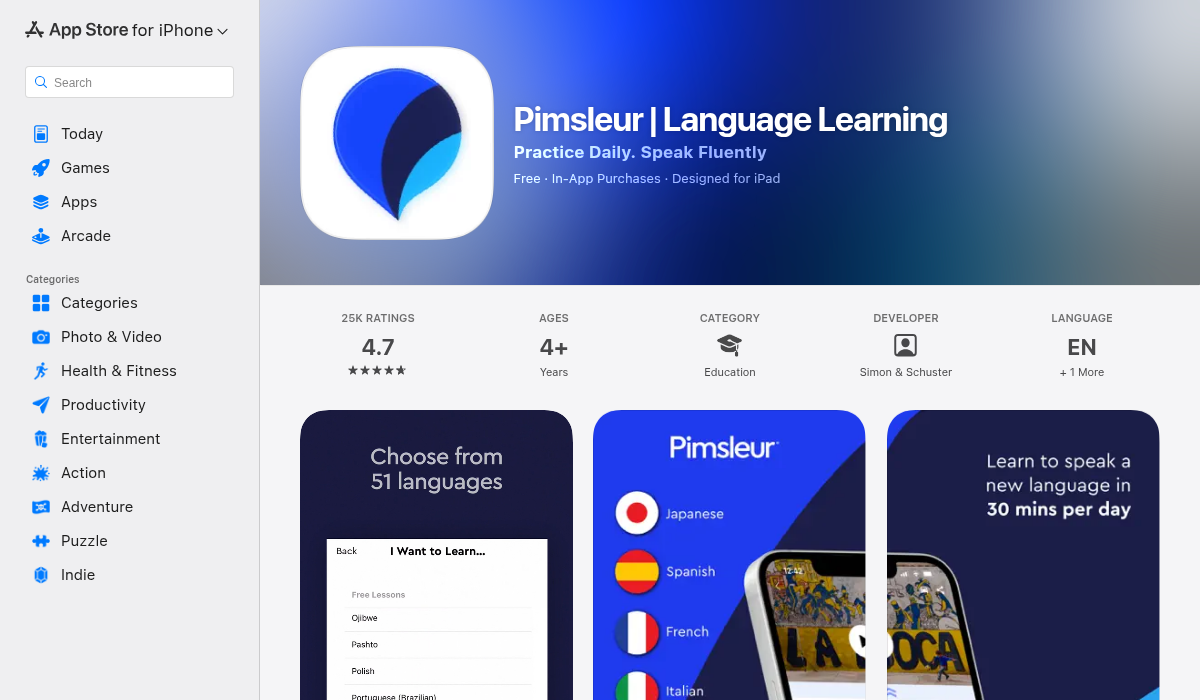
Price: $14.95-$19.95/month | Best for: Speaking skills, audio learners, commuters
Pimsleur has revolutionized language learning by prioritizing what matters most: actual conversation. Their Arabic courses focus heavily on listening and speaking through 30-minute audio lessons that you can complete while driving, exercising, or doing chores.
What makes it stand out:
- Hands-free audio lessons perfect for busy schedules
- Speech recognition technology for pronunciation feedback
- Scientific spaced repetition system for long-term retention
- Modern Standard Arabic with practical, real-world phrases
- 5 levels from beginner to advanced
The Pimsleur method works because it mimics how children learn languages—through listening and repetition rather than rote memorization of grammar rules. One Reddit user noted: "I learned Arabic with Pimsleur and could hold basic conversations within a few months. You will never fit in if you only go the textbook route."
Downsides: Minimal reading/writing practice. Grammar explanations are sparse. May feel repetitive to some learners.
2. Duolingo – Best Free Option for Beginners
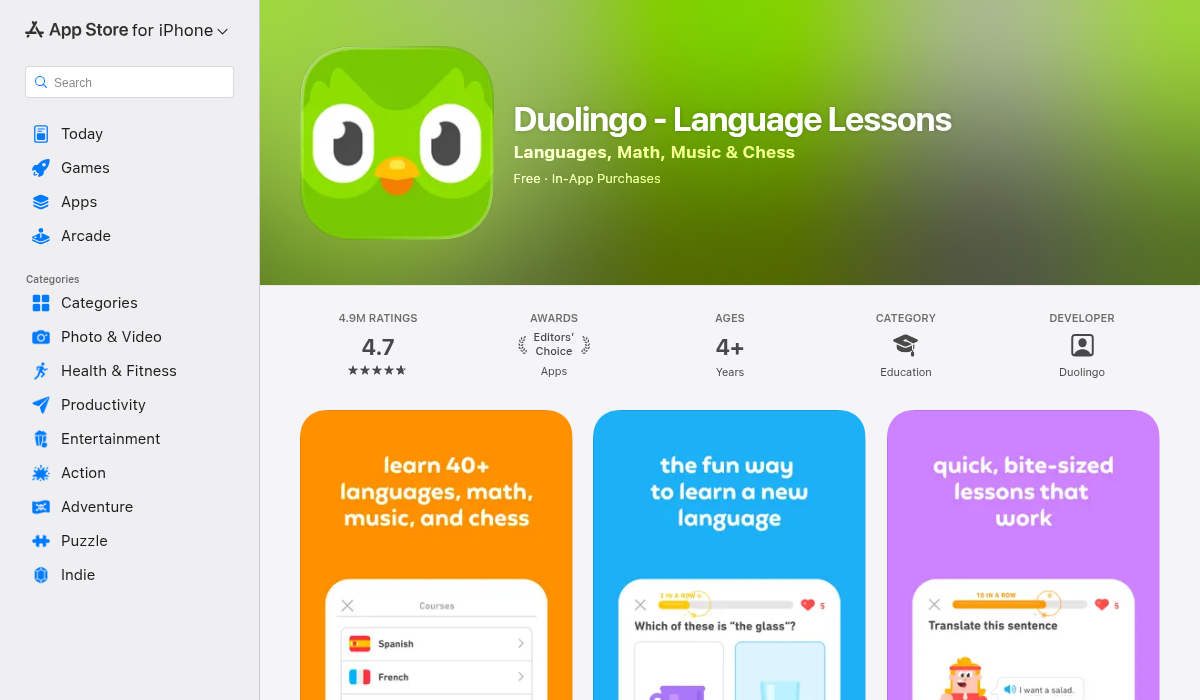
Price: Free (Super Duolingo $12.99/month) | Best for: Absolute beginners, habit building
Love it or hate it, Duolingo remains the most downloaded language learning app in the world for good reason. Their Arabic course teaches the alphabet, basic vocabulary, and sentence structures through bite-sized, gamified lessons.
Strengths:
- Completely free core content
- Excellent for building daily study habits
- Teaches the Arabic alphabet (abjad) step by step
- Streak system keeps you motivated
- Short 5-10 minute lessons
However, the Reddit community is mixed on Duolingo for Arabic specifically. As one user put it: "I started with Duolingo but moved on quickly. It's great for getting started but you'll need other resources for real fluency."
Downsides: Only teaches MSA (no dialects). Excessive gamification can feel shallow. Speech recognition is inconsistent. Many learners outgrow it quickly.
3. Drops – Best for Visual Vocabulary
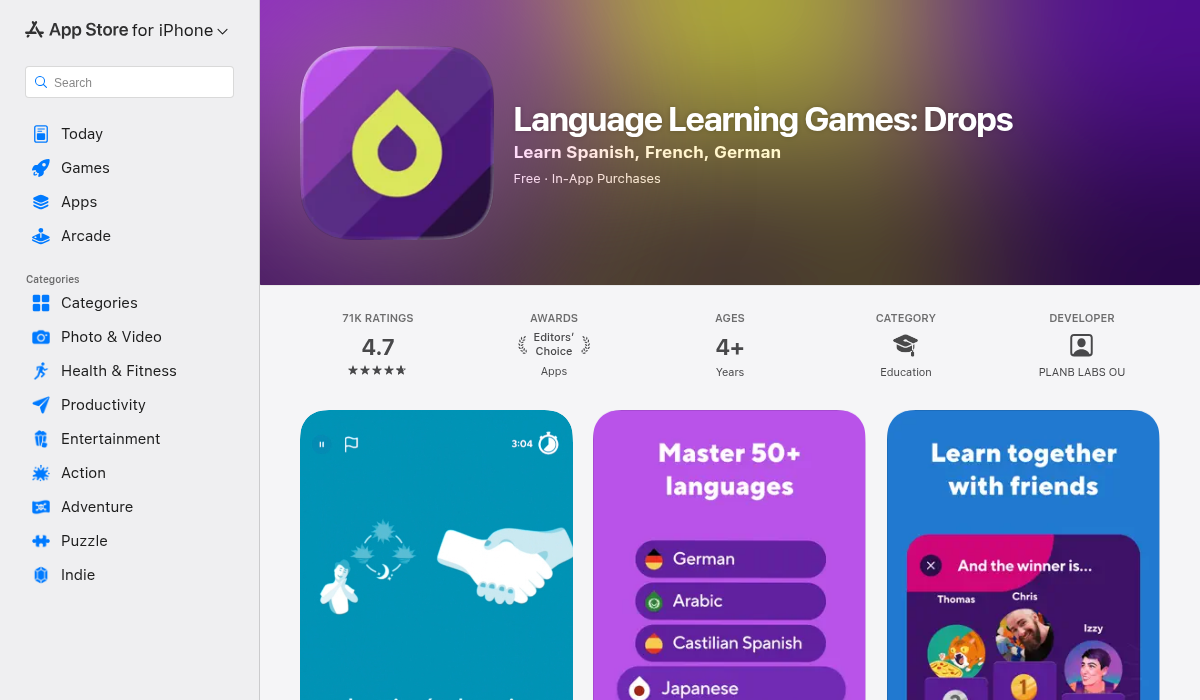
Price: Free (5 min/day) or $13/month premium | Best for: Visual learners, vocabulary expansion
Drops takes a unique approach by eliminating text-heavy explanations and focusing purely on visual vocabulary learning. Each word is paired with a simple illustration, making it easy to form mental associations without translating through English.
What we love:
- Stunning minimalist design
- Pure visual learning without English crutches
- Over 2,000 Arabic words across 100+ topics
- Quick 5-minute sessions (enforced in free version)
- Covers MSA with excellent vocabulary range
The free version limits you to 5 minutes per day, which Drops argues actually improves retention. Many learners use it alongside a main course to supplement vocabulary acquisition.
Downsides: No grammar instruction. No sentence building. Won't teach you to speak or read paragraphs.
4. Memrise – Best for Fun Vocabulary with Context
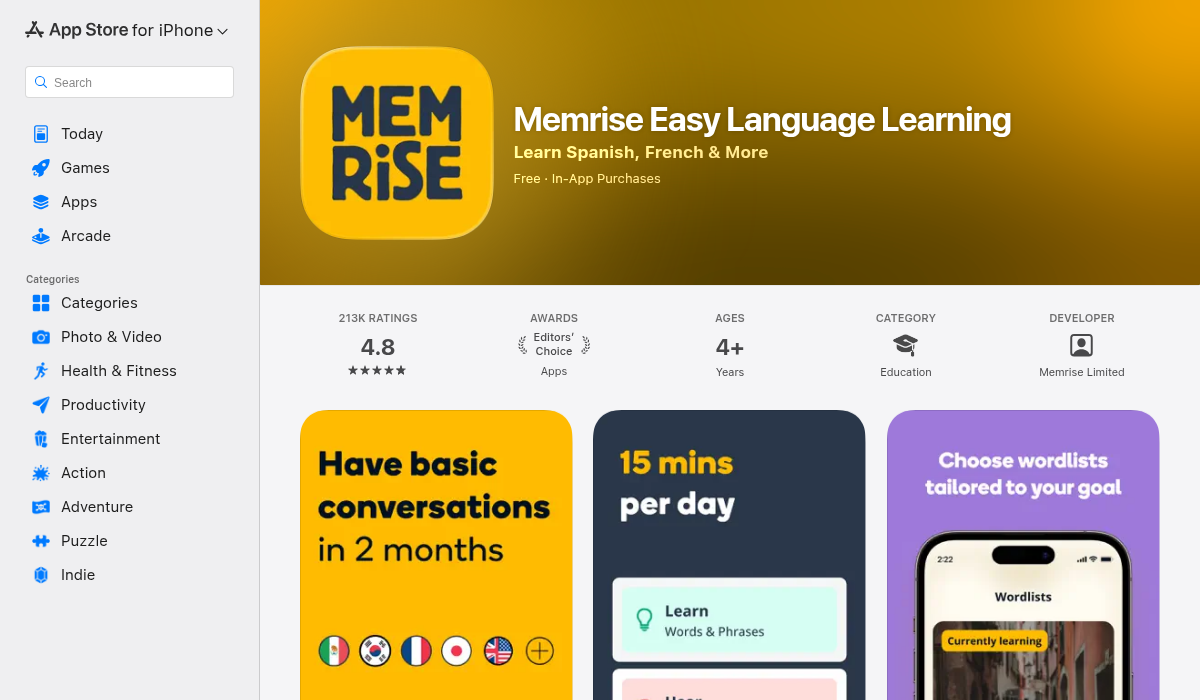
Price: Free basic or $8.49/month Pro | Best for: Learning through entertainment, video content
Memrise differentiates itself with video clips of native Arabic speakers in real-world situations. This contextual learning helps you understand not just what to say, but how actual Arabs speak in daily life.
Key features:
- Native speaker video clips for authentic pronunciation
- User-generated mnemonic devices (memory tricks)
- Spaced repetition algorithm for optimal review timing
- Community-created courses for different Arabic dialects
- Pronunciation practice with recording feature
The community courses are a hidden gem—learners have created specialized courses for Egyptian, Levantine, and Gulf Arabic that you won't find in most apps.
Downsides: Quality varies in user-created content. Limited grammar coverage. Can feel disjointed compared to structured courses.
5. ArabicPod101 – Best Podcast-Style Lessons
Price: $4-$23/month | Best for: Audio learners, grammar explanations, intermediate learners
If you prefer learning through engaging audio content rather than apps, ArabicPod101 offers hundreds of podcast-style lessons with native speakers. Each episode breaks down conversations, vocabulary, and grammar in an entertaining format.
Highlights:
- Thousands of audio and video lessons
- In-depth grammar explanations (unlike Pimsleur)
- Cultural insights woven into lessons
- Transcripts and downloadable PDFs
- Progress from absolute beginner to advanced
The All Language Resources team calls it "the best podcast-style Arabic course" noting that it "manages to be entertaining while delivering valuable grammar, vocabulary, and cultural information."
Downsides: Interface feels dated. Too much English at beginner levels. Subscription required for best features.
6. Glossika – Best for Dialect Learners
Price: $16.99-$25/month | Best for: Egyptian, Moroccan, or Levantine Arabic; intermediate learners
While most apps only teach Modern Standard Arabic (which few Arabs use in daily conversation), Glossika offers Egyptian, Moroccan, and MSA courses. Their sentence-based approach drills thousands of phrases through listening and repetition.
Why it's unique:
- Sentence-based learning (not isolated words)
- Egyptian and Moroccan Arabic options
- Romanized transliteration available
- AI-powered spaced repetition
- Focus on speaking fluency
If your goal is to actually converse with Arabs (rather than read news or religious texts), dialect-focused apps like Glossika are essential.
Downsides: No grammar explanations. Better for lower-intermediate than complete beginners. Repetitive format.
7. LingQ – Best for Reading Practice
Price: $12.99/month | Best for: Reading comprehension, input-based learning
LingQ takes a different approach by immersing you in Arabic content—articles, stories, podcasts—and making unknown words easy to look up with one tap. The app tracks which words you've learned and prioritizes reviewing words you struggle with.
Features:
- Massive library of Arabic content
- Import your own content (YouTube videos, news articles)
- Click-to-translate for instant definitions
- Track known words and vocabulary growth
- Audio available for most content
This is the approach polyglot Steve Kaufmann advocates: massive comprehensible input. Perfect for learners who've finished beginner courses and want to level up through reading.
Downsides: Overwhelming for beginners. Premium price. Review system could be better.
8. italki – Best for Speaking with Tutors
Price: $5-60/hour (tutor dependent) | Best for: Conversation practice, personalized feedback
No app can fully replace human interaction, and italki connects you with native Arabic tutors for one-on-one video lessons. Whether you want help with MSA grammar or Egyptian street slang, there's a tutor for you.
Benefits:
- Professional teachers and community tutors at all price points
- Personalized lessons based on your goals
- Practice speaking from day one
- Free writing practice through community feature
- Book lessons when convenient for you
Many successful Arabic learners combine app-based study with weekly italki sessions to practice speaking and get corrections from native speakers.
Downsides: Costs add up quickly. Quality varies between tutors. Requires scheduling and commitment.
Choosing the Right Arabic App for Your Goals
The best Arabic learning app depends entirely on your goals:
- Want to speak conversationally? Start with Pimsleur + weekly italki sessions
- Complete beginner on a budget? Duolingo → ArabicPod101 → italki
- Learning Egyptian/Levantine dialect? Glossika + Memrise community courses
- Building vocabulary quickly? Drops + Memrise combination
- Already intermediate, want to read? LingQ with Arabic news/books
As one Reddit learner wisely noted: "YouTube is actually the best for learning Arabic because there's so many videos out there, especially for Levantine dialect." Apps are tools, not magic solutions—combine them strategically based on your needs.
MSA vs. Dialects: Which Arabic Should You Learn?
Before committing to an app, decide which Arabic you actually need:
- Modern Standard Arabic (MSA): Written in books, news, formal settings. No one speaks it natively.
- Egyptian Arabic: Most widely understood dialect due to Egyptian media dominance.
- Levantine Arabic: Spoken in Lebanon, Syria, Jordan, Palestine. Popular with expats.
- Gulf Arabic: UAE, Saudi, Kuwait, Qatar. Important for business in the region.
Most apps teach MSA because it's "standard," but if your goal is conversation, you'll eventually need dialect resources too. Egyptian is often recommended as a practical starting point since it's understood across the Arab world.
Our Final Recommendations
After reviewing all options, here's our recommended stack for different learner types:
Best all-around combination: Pimsleur (speaking) + Drops (vocabulary) + italki (weekly tutoring)
Best free combination: Duolingo (basics) + Memrise community courses (dialect) + YouTube lessons
Best for serious learners: ArabicPod101 (structured curriculum) + Glossika (sentence drilling) + LingQ (reading) + italki (speaking practice)
The Arabic language may seem daunting at first—a new alphabet, right-to-left writing, sounds that don't exist in English—but millions of learners have proven it's absolutely achievable. Pick an app, start today, and remember: consistency beats intensity. Even 15 minutes daily will compound into real progress over months.
Which Arabic learning app are you going to try first? The best time to start was yesterday—the second best time is now.