
Best GLP-1 Friendly Food Scanner Apps for Grocery Shopping (2026)
If you're on Ozempic, Wegovy, Mounjaro, or any GLP-1 medication, every bite counts — literally. With appetite suppression cutting food intake by up to 50%, you can't afford to waste stomach space on nutrient-poor foods. That's why smart food scanner apps have become essential tools for the millions of Americans navigating the GLP-1 lifestyle.
The challenge? Most calorie-tracking apps weren't built for GLP-1 users. They focus on total calories when what you really need is protein density, fiber content, and harmful additive detection. Meanwhile, grocery shelves are filling up with "GLP-1 Friendly" labels that aren't even FDA-regulated.
We tested the leading food scanner apps to find which ones actually help GLP-1 users make smarter grocery decisions — not just count calories, but identify the nutrient-dense foods that support your weight loss journey without triggering side effects.
Why GLP-1 Users Need Better Food Scanning
The nutritional needs of GLP-1 users aren't dramatically different from the general population — but the stakes are higher. According to dietitians at UCHealth, GLP-1 users eat around 50% less than before starting medication. That means every meal needs to deliver maximum nutritional value.
The key targets most experts recommend:
- Protein: 20-30 grams per meal, or 1.2 grams per kilogram of body weight daily — essential for maintaining muscle mass during weight loss
- Fiber: About 14 grams per 1,000 calories consumed — critical since constipation is a common GLP-1 side effect
- Fat: Less than 10 grams per serving — higher fat content can worsen nausea and acid reflux
What to avoid? Fried foods, high-sugar products, excessive saturated fat, and spicy or acidic items that can amplify medication side effects.
"A drug does not educate you on how to eat properly. You're not magically going to be educated — without a doctor's help — to eat healthy."— Suzy Badaracco, registered dietitian and president of Culinary Tides
This is where the right food scanning app becomes invaluable — not just for counting calories, but for quickly assessing whether a product meets your specific GLP-1 nutritional targets.
The Problem With "GLP-1 Friendly" Labels
Major food companies have spotted the GLP-1 gold rush. Nestlé launched Vital Pursuit frozen meals in late 2024. Conagra added "GLP-1 Friendly" labels to 26 Healthy Choice products. Smoothie King created a "GLP-1 Support Menu."
But here's what the marketing doesn't tell you: these labels aren't regulated by the FDA.
While companies like Nestlé and Conagra got USDA approval for their labeling (because it includes protein and fiber claims), there's no official standard for what "GLP-1 Friendly" actually means. Some products with the label are genuinely nutritious. Others? Not so much.
Take Vital Pursuit's Cauliflower Crust Three Meat Pizza — it delivers 32% of your daily protein value, sounds great. But it also packs 40% of your recommended sodium and saturated fat, plus 18 grams of total fat per serving. That's nearly double what dietitians recommend for GLP-1 users trying to avoid nausea and reflux.
Even worse: Smoothie King's 20-ounce Gladiator GLP-1 Vanilla smoothie contains more calories, sodium, and cholesterol than a Krispy Kreme glazed donut.
This is exactly why you need an app that lets you scan any product and immediately see whether it fits your actual nutritional needs — not just what marketing tells you.
Best Food Scanner Apps for GLP-1 Users in 2026
After testing the major options, here are the apps that actually deliver value for GLP-1 medication users navigating grocery shopping.
1. Zwintji — AI Calorie Scanner
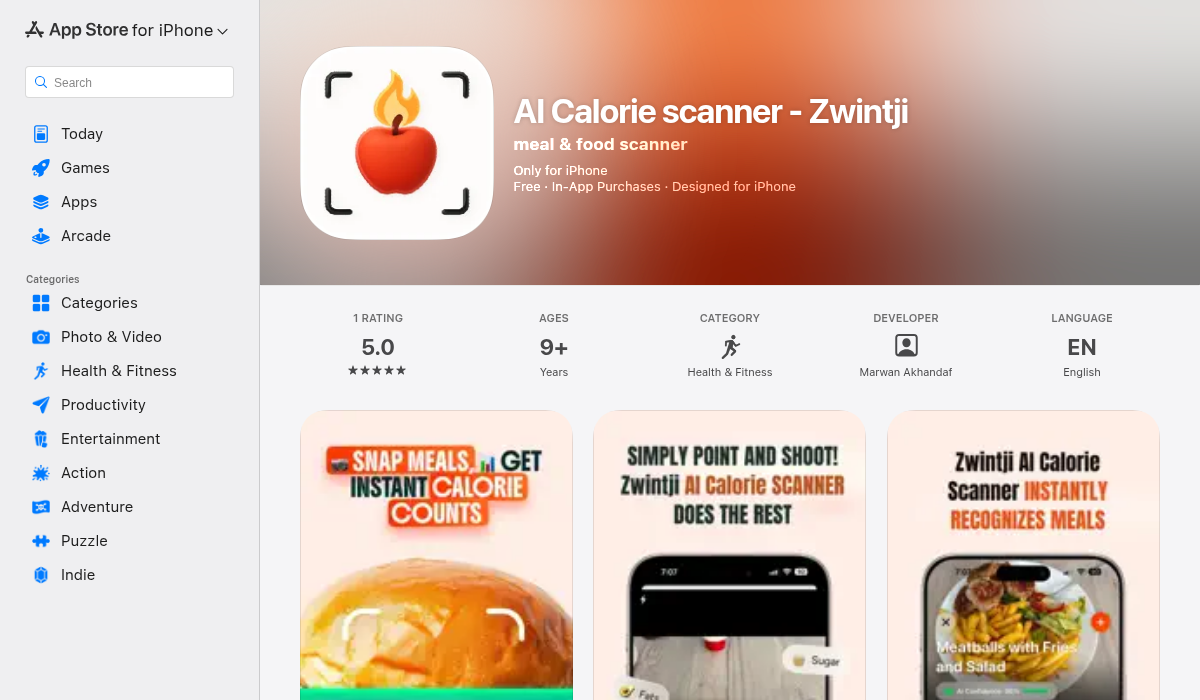
Zwintji stands out for GLP-1 users because it combines two scanning modes that traditional calorie apps lack: barcode scanning for packaged foods AND AI-powered meal recognition for fresh foods and restaurant meals.
For GLP-1 users specifically, the app excels at:
- ✅ Instant protein and fiber tracking — the two nutrients GLP-1 users need to prioritize
- ✅ AI meal scanning — point your camera at any plate and get nutritional estimates, even for home-cooked meals
- ✅ Personalized goals — set protein minimums and calorie targets based on your GLP-1 eating capacity
- ✅ Progress insights — track whether you're hitting protein targets over time
What makes Zwintji particularly useful for grocery shopping is the speed. Scan a "GLP-1 Friendly" labeled product and immediately see the full nutritional breakdown — protein, fiber, fat, sodium. No marketing hype, just the numbers you need to make an informed decision.
The workout tracking feature is a bonus for GLP-1 users who need to maintain muscle mass through exercise while losing weight.
Download Zwintji on the App Store
2. FoodCheckr — Additive Detection Scanner
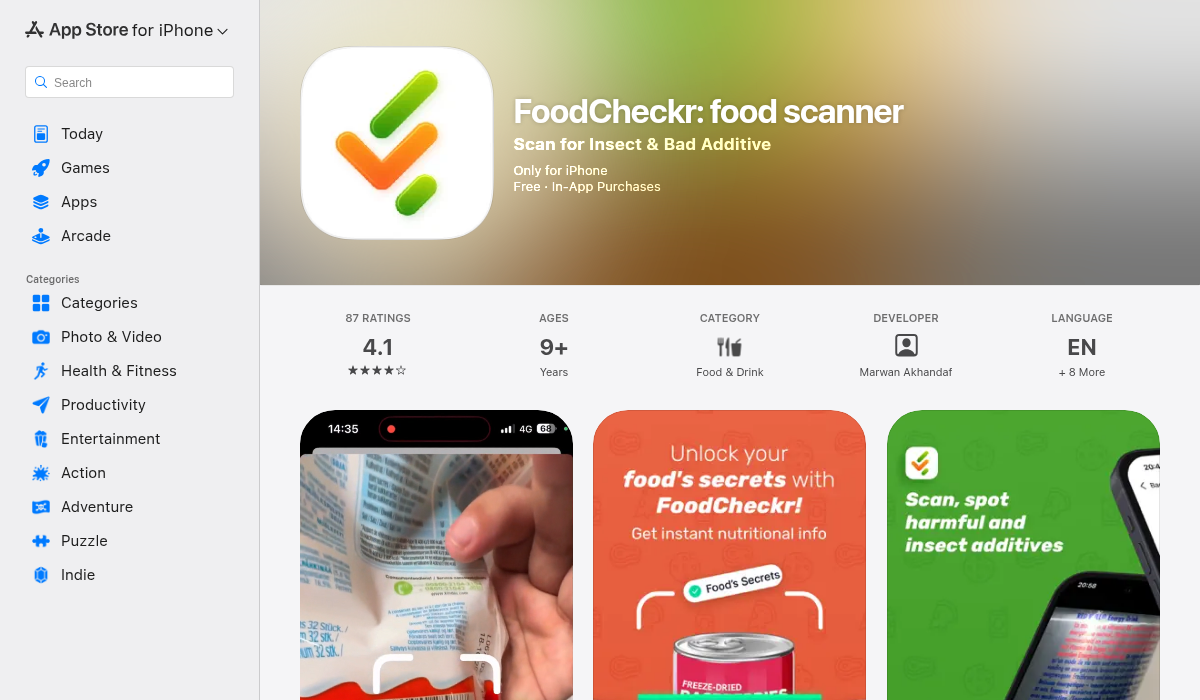
While calorie apps tell you the macros, FoodCheckr reveals what's lurking in the ingredient list — and for GLP-1 users dealing with sensitive digestion, this matters enormously.
Key features for GLP-1 users:
- ✅ Harmful additive detection — flags artificial sweeteners, preservatives, and emulsifiers that can worsen GI side effects
- ✅ AI bioengineered ingredient detection — identifies genetically modified ingredients if you're concerned about them
- ✅ Insect trace detection — spots hidden insect-derived additives like carmine and shellac
- ✅ Full nutritional breakdown — energy, protein, sugars, fats at a glance
Why does additive detection matter for GLP-1 users? Many sugar alcohols and artificial sweeteners can cause bloating, gas, and digestive discomfort — symptoms that compound with GLP-1 medication side effects. FoodCheckr helps you avoid products with these hidden triggers before they end up in your cart.
The scan history feature is particularly useful for building a mental database of "safe" products you can repurchase without rescanning every trip.
Download FoodCheckr on the App Store
3. MyFitnessPal — The Established Option
MyFitnessPal remains popular for its massive food database — over 14 million foods and counting. The barcode scanner is reliable, and the meal logging is comprehensive.
For GLP-1 users:
- ✅ Huge food database — almost any packaged product will scan
- ✅ Macro breakdown — see protein, carbs, fat percentages
- ✅ Recipe calculator — log homemade meals ingredient by ingredient
- ❌ Premium push — many useful features locked behind subscription
- ❌ No additive detection — only shows macros, not ingredient quality
- ❌ No AI meal scanning — can't photograph a plate for instant analysis
MyFitnessPal is solid for pure calorie and macro tracking, but it doesn't address the specific concerns of GLP-1 users around ingredient quality, additives, and side effect triggers.
How to Use Scanner Apps Effectively on GLP-1
Having the right app is only half the battle. Here's how to use food scanners strategically as a GLP-1 user:
- Set protein as your primary goal, not calories. GLP-1 medications already suppress appetite — your job is ensuring the food you do eat delivers adequate protein (1.2g per kg body weight daily) to preserve muscle mass.
- Check fat content per serving. Dietitians recommend keeping meals under 10g of fat to avoid worsening nausea and reflux. Scan "GLP-1 Friendly" labeled products especially — some have double the recommended fat.
- Look beyond the "Friendly" labels. A food scanner gives you the actual numbers, not marketing claims. That Smoothie King GLP-1 smoothie? Your app will show it has more calories than a donut.
- Track fiber separately. Constipation is one of the most common GLP-1 side effects. Aim for 14g of fiber per 1,000 calories consumed. Use your app to find high-fiber options at the grocery store.
- Build a "safe foods" list. Use your app's history feature to bookmark products that work well for you — right macros, no trigger additives, appropriate portion sizes. This speeds up future shopping trips.
- Scan before you buy, not after. The power of food scanning is making decisions in the grocery aisle. Don't wait until you're home with products that don't fit your needs.
What to Look for in GLP-1-Appropriate Foods
Based on dietitian recommendations, here's a quick checklist for evaluating any product you scan:
- Protein: 15-20g minimum per main dish
- Fiber: 5g+ per serving is excellent
- Fat: Under 10g per serving to minimize GI side effects
- Sodium: Under 600mg per serving (many "healthy" products sneak in 40%+ daily value)
- Sugar: Under 10g per serving; watch for hidden sugars in "healthy" snacks
- Additives: Avoid artificial sweeteners like sorbitol and maltitol if you're sensitive
The best high-fiber carbs for GLP-1 users include lentils, beans, oats, and sweet potatoes. For protein, focus on lean sources like chicken breast, fish, Greek yogurt, and cottage cheese.
The Bottom Line
GLP-1 medications are transforming how millions of Americans eat — but they don't come with an instruction manual for grocery shopping. "GLP-1 Friendly" labels are increasingly common but completely unregulated, making it essential to verify nutritional claims yourself.
The right food scanner app helps you cut through marketing noise and make decisions based on actual nutritional data. For GLP-1 users specifically, look for apps that prioritize protein and fiber tracking, detect problematic additives, and give you instant analysis on any product — labeled "friendly" or not.
If you're serious about optimizing nutrition on your GLP-1 journey, try Zwintji for AI-powered calorie and macro scanning, and FoodCheckr for ingredient quality analysis. Together, they cover both the macro picture and the hidden ingredient details that matter for managing side effects.
Your stomach space is limited on GLP-1 medications. Make every scan count.