
Best Gut Health Food Scanner Apps 2026
Your gut health starts at the grocery store — but figuring out which foods actually support your microbiome is harder than it should be.
Between confusing labels, hidden additives, and conflicting nutrition advice, choosing gut-friendly foods has become a research project. That's why food scanner apps have become essential tools for anyone serious about digestive wellness. But not all apps are created equal — some focus on calories while completely ignoring the ingredients that actually matter for gut health.
Why Gut Health Has Become the Focus of 2026
The science is clear: your gut microbiome affects everything from mood to immunity. What's less clear is how to navigate the grocery store with that knowledge. Traditional nutrition apps focus on macros — calories, carbs, protein — but gut health requires a different lens entirely.
"We do not recommend microbiome tests. Generally speaking they are wholly unusable or actionable for patients for a few reasons."— Reddit moderator in r/Microbiome
While expensive microbiome testing remains controversial, the foods you eat are something you can control right now. The challenge is identifying which ingredients help versus harm your gut without a biochemistry degree.
What to Look For (and Avoid) for Gut Health
Before diving into apps, it helps to understand what ingredients matter most for digestive wellness:
Ingredients That Support Gut Health
- Prebiotic fibers — Inulin, FOS, resistant starch (feed beneficial bacteria)
- Fermented foods — Live cultures, probiotics
- Polyphenols — Found in berries, dark chocolate, olive oil
- Whole food ingredients — Minimal processing, recognizable components
Ingredients That May Harm Gut Health
- Artificial sweeteners — Sucralose, aspartame may disrupt microbiome balance
- Emulsifiers — Carboxymethylcellulose, polysorbate-80
- Ultra-processed additives — Artificial colors, preservatives
- High fructose corn syrup — May promote harmful bacterial growth
- Excessive seed oils — Debated but concerning in high amounts
The Problem with Standard Nutrition Apps
Most food scanning apps give you a health score based on calories, fat, and sugar content. A low-calorie protein bar might get a high score even if it's packed with artificial sweeteners and emulsifiers that research suggests may harm gut health.
"As the technology matures, ingestible sensors promise to revolutionise gut health monitoring, enabling brands and healthcare providers to offer data-backed personalisation."— Food Navigator, December 2025
Until personalized gut monitoring becomes mainstream, the best approach is scanning ingredients rather than just nutrition panels. Here are the apps that actually help.
Best Gut Health Food Scanner Apps Compared
1. Zwintji — AI Calorie Scanner
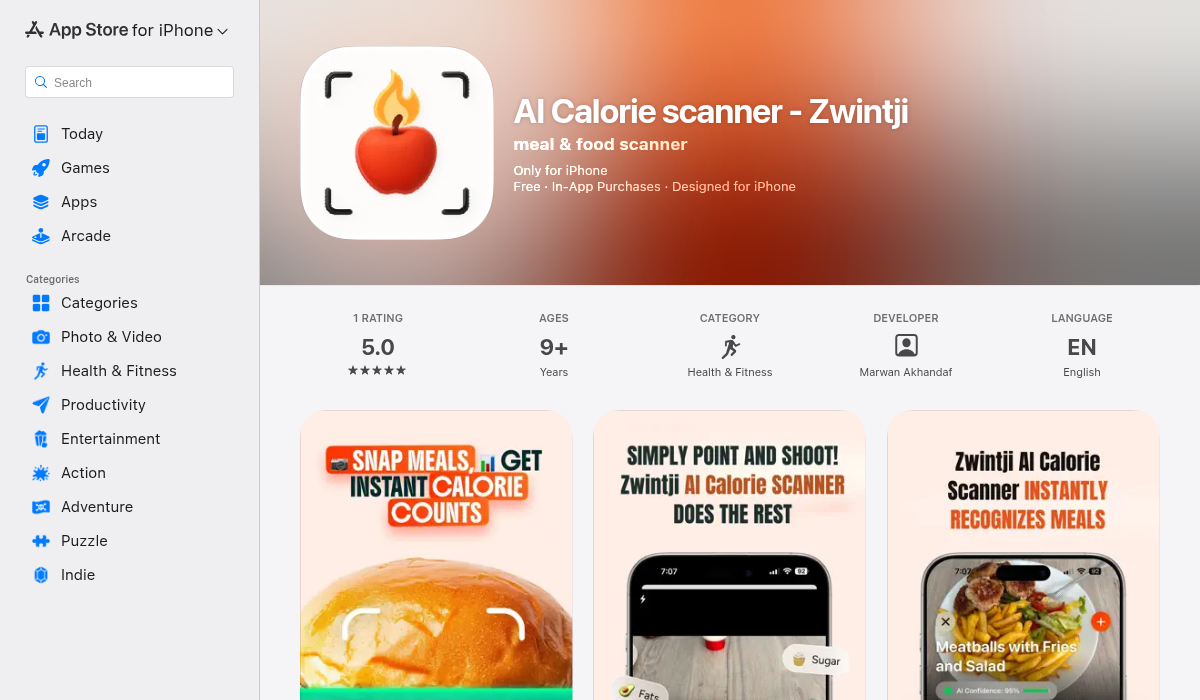
Zwintji combines AI meal scanning with ingredient analysis for a complete picture of what you're eating. Unlike apps that only work with packaged foods, Zwintji can analyze whole meals — useful for understanding what you're actually consuming at restaurants or home-cooked dishes.
- ✅ AI-powered meal scanning (not just barcodes)
- ✅ Packaged food scanning with ingredient recognition
- ✅ Nutritional value tracking with personalized goals
- ✅ Workout tracking integration
- ✅ Personalized insights based on your patterns
Best for: People who want holistic tracking that covers both prepared meals and packaged foods.
2. FoodCheckr — Additive Detective
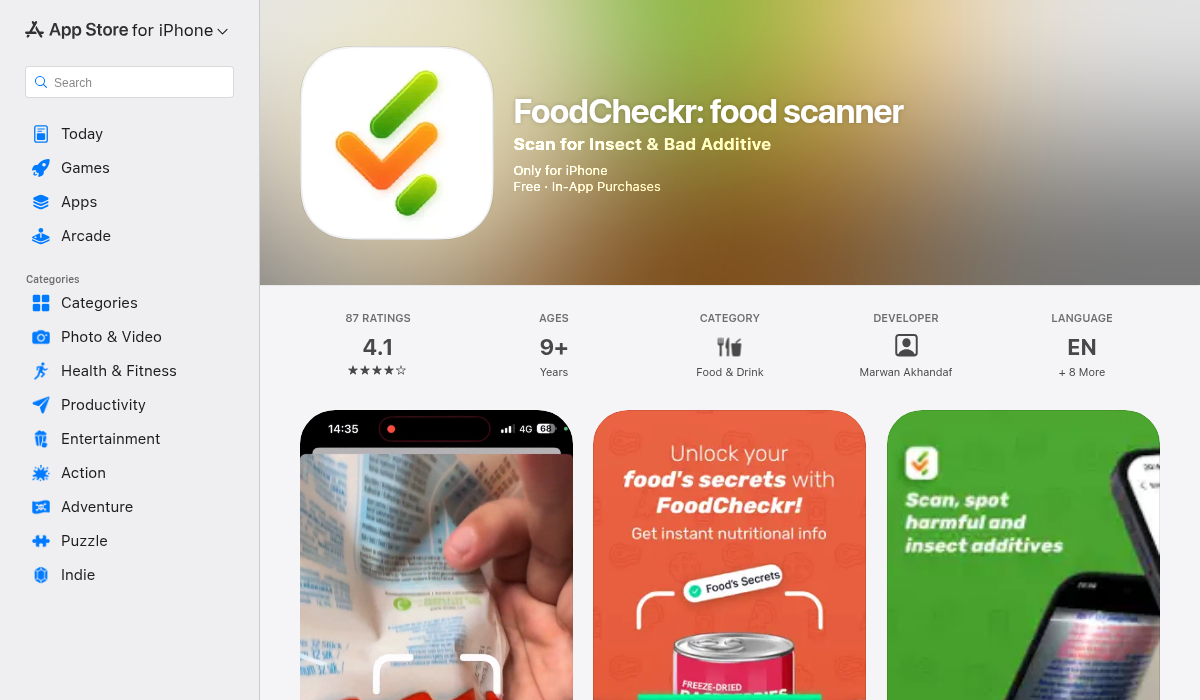
FoodCheckr specifically focuses on what standard apps miss: the additives. For gut health specifically, this matters enormously. It uses AI to detect bioengineered ingredients and harmful additives that might not trigger red flags on macro-focused apps.
- ✅ Harmful additive detection
- ✅ AI bioengineered ingredient recognition
- ✅ Insect trace detection
- ✅ Full nutritional breakdown
- ✅ Scan history to track patterns
Best for: People specifically concerned about artificial additives and processed ingredients affecting their gut.
3. VeganCheckr — Plant-Based Analysis
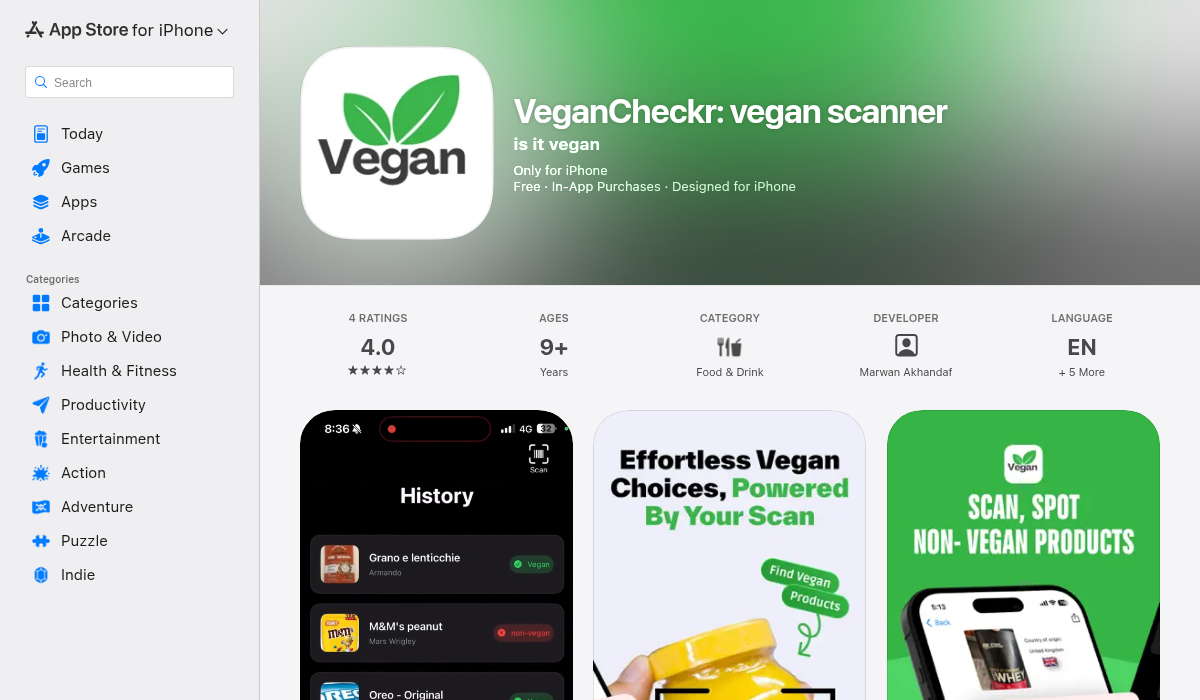
While designed for vegans, VeganCheckr offers something valuable for gut health: supply chain transparency and detailed ingredient analysis. Plant-based diets are closely linked to microbiome diversity, and this app helps identify truly whole-food plant options versus processed alternatives.
- ✅ Detailed ingredient analysis
- ✅ Supply chain transparency
- ✅ Additive checker
- ✅ Product comparisons
- ✅ Vegan map for restaurants/stores
Best for: Those pursuing plant-forward eating for gut health benefits.
4. Yuka — The Popular Choice
Yuka remains one of the most downloaded food scanners, with a massive database and clean interface. Its health scoring considers additives, but the emphasis remains on traditional nutrition metrics.
- ✅ Huge product database
- ✅ Clean, intuitive interface
- ✅ Considers some additives in scoring
- ❌ Macro-focused scoring can miss gut-relevant concerns
- ❌ Limited customization for personal avoid lists
Best for: General healthy eating guidance, less specialized for gut-specific concerns.
5. Smart Bites — Research-Based Scoring
Created by gut health researchers, Smart Bites provides 1-100 scores based on metabolic and microbiome research. It's designed specifically with gut health in mind and offers "Smarter Bite" swaps to find better alternatives.
- ✅ Designed by gut health researchers
- ✅ Microbiome-focused scoring
- ✅ Healthier swap suggestions
- ❌ Smaller database than mainstream apps
Best for: Those who want scoring specifically calibrated for gut health research.
Building a Gut-Healthy Shopping Strategy
Having the right app is step one. Here's how to use these tools effectively:
- Audit your pantry first — Scan products you already buy regularly. You might be surprised how many "healthy" staples contain gut-disrupting ingredients.
- Create comparison baselines — When you find a problematic product, use the app to scan alternatives in the same category. Often there's a cleaner option at the same price.
- Focus on ingredient count — Beyond what's in a product, consider how many ingredients there are. Fewer, recognizable ingredients typically means better for gut health.
- Scan before you buy, not after — It sounds obvious, but doing your scanning in the store lets you make real-time swaps.
- Track patterns over time — Use apps with scan history to see if certain categories (protein bars, sauces, etc.) consistently cause problems.
Common Gut-Disrupting Ingredients Hidden in "Health Foods"
Watch for these ingredients that frequently appear in products marketed as healthy:
- Protein powders — Often contain artificial sweeteners, thickeners, and emulsifiers
- "Keto" snacks — Loaded with sugar alcohols that can cause digestive distress
- Flavored yogurts — Even "Greek" varieties may contain artificial sweeteners and colors
- "Whole grain" cereals — May include high fructose corn syrup and artificial preservatives
- Meal replacement shakes — Check for carrageenan, artificial colors, and sweeteners
- "Natural" granola — Often has more added sugar than you'd expect plus seed oils
When Apps Aren't Enough
Food scanner apps are powerful tools, but they have limitations:
- Database gaps — Local brands or new products might not be recognized
- Individual variation — What disrupts one person's gut may be fine for another
- Fresh foods — Apps work best for packaged products; whole foods need different evaluation
- Preparation matters — How food is cooked or combined affects gut impact
Use scanner apps as one part of a broader gut health strategy that includes tracking how specific foods make you feel personally.
The Bottom Line
Your gut microbiome doesn't care about calories — it cares about what you're feeding it. Standard nutrition apps miss this completely by focusing on macros while ignoring the additives, emulsifiers, and artificial ingredients that research increasingly links to gut disruption.
For gut-focused food scanning, apps like Zwintji for comprehensive meal tracking, FoodCheckr for additive detection, and VeganCheckr for plant-based ingredient analysis offer the detail that gut health requires.
The 30 seconds it takes to scan a product is nothing compared to days of digestive discomfort from ingredients you didn't know were there. Your gut will thank you.