
Best High-Protein Food Scanner Apps for Weight Loss
Tracking protein intake used to mean guessing at portion sizes or manually searching databases — now AI-powered food scanners do the heavy lifting for you.
Whether you're cutting weight, building muscle, or just trying to hit your daily protein goals, the right scanner app can turn the tedious task of macro tracking into a quick scan-and-go routine. We tested the latest food scanner apps in 2026 to find which ones actually deliver on their protein-tracking promises.
Why Protein Tracking Matters for Weight Loss
High-protein diets have solid science behind them. Studies consistently show that increasing protein intake boosts satiety, preserves muscle during calorie deficits, and increases thermogenesis — meaning you burn more calories digesting protein than carbs or fat. The challenge? Most people drastically underestimate how much protein they're actually eating.
"I just started tracking and if I eat a lot of greens and fruits which have negligible calories and add something like tofu or an egg, all of a sudden my % fat looks ridiculously high. To get enough protein mostly plant-based, this is what I've been doing."— Reddit user in r/nutrition
This is exactly why dedicated food scanners have become essential — they take the guesswork out of nutrition tracking and help you see the real breakdown of what you're eating.
What to Look for in a Protein Tracking App
Not all food scanners are created equal. For serious protein tracking, you need:
- Accurate barcode scanning — Quick product lookups with verified nutritional data
- AI meal recognition — Snap a photo and get instant estimates for home-cooked meals
- Macro breakdown — Clear protein, carb, and fat percentages, not just calories
- Large food database — Coverage for international products and restaurant items
- Additive awareness — Know what's actually in your food beyond the macros
Best High-Protein Food Scanner Apps in 2026
1. MyFitnessPal
The veteran calorie counter remains popular with a massive food database of over 14 million items. Barcode scanning works reliably, and the app shows protein prominently in its daily summary. However, the free version has become increasingly limited — you'll need Premium ($19.99/month) for deeper macro insights and ad-free tracking.
- ✅ Huge verified database
- ✅ Integrates with fitness trackers
- ❌ Aggressive premium upsells
- ❌ No AI photo scanning in free tier
2. Cronometer
Cronometer appeals to nutrition nerds who want detailed micronutrient tracking alongside their macros. It's especially good for tracking specific amino acids if you're optimizing protein quality. The interface feels clinical but thorough.
- ✅ Extremely detailed nutrient data
- ✅ Tracks 82 micronutrients
- ❌ Steeper learning curve
- ❌ No AI meal scanning
3. Zwintji – AI Calorie Scanner
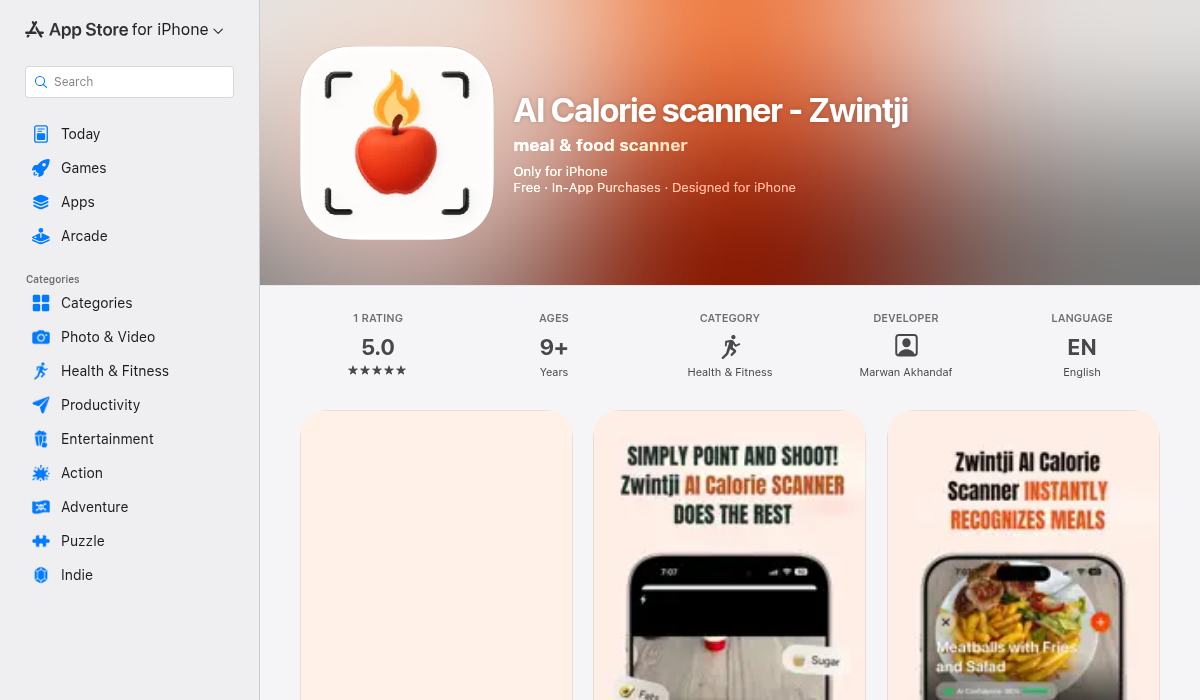
Zwintji takes a different approach by combining AI photo recognition with barcode scanning. Point your camera at any meal — home-cooked, restaurant, or packaged — and the AI identifies ingredients and estimates macros instantly. It's particularly useful for tracking protein when you don't have exact measurements.
The app recognizes individual ingredients within a dish, so that chicken salad gets broken down into protein from the chicken, fats from the dressing, and carbs from any croutons. This granular analysis helps you understand exactly where your protein is coming from.
- ✅ AI recognizes full meals, not just barcodes
- ✅ Works on restaurant food and home cooking
- ✅ Workout tracking integration
- ✅ Personalized nutrition goals
4. FoodCheckr – Food Scanner
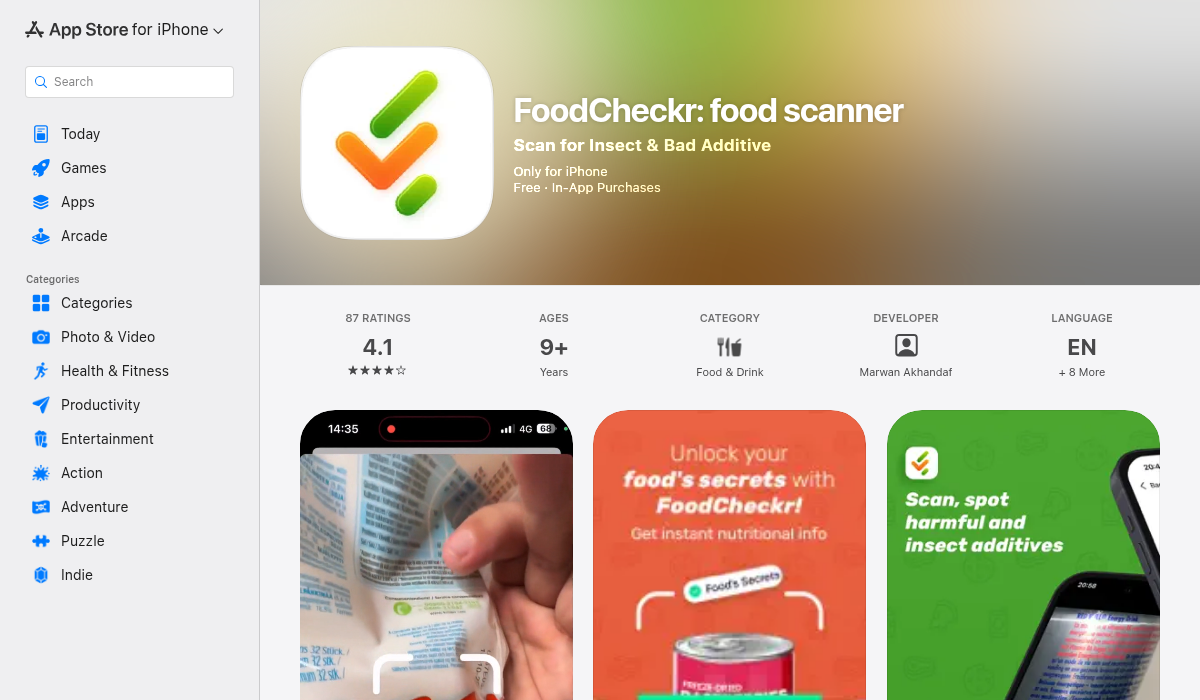
While FoodCheckr focuses primarily on food safety and additive detection, it's secretly excellent for protein-conscious eaters who want to know what's really in their food. Beyond showing protein, fats, sugars, and energy, it flags bioengineered ingredients and insect traces — information that matters if you're selective about your protein sources.
The scan history feature lets you track patterns over time, helping you identify which products consistently deliver good protein-to-additive ratios.
- ✅ Detailed additive and ingredient analysis
- ✅ Flags hidden ingredients most apps miss
- ✅ Clean, focused interface
- ✅ Scan history for pattern tracking
5. Lose It!
Lose It! balances simplicity with features. The "Snap It" photo logging works reasonably well for packaged foods, and the app gamifies weight loss with challenges and streaks. Protein tracking is straightforward without being overwhelming.
- ✅ Beginner-friendly interface
- ✅ Good community features
- ❌ AI food recognition less accurate than competitors
- ❌ Premium required for macro goals
Pro Tips for Tracking Protein Effectively
- Front-load your protein — Scan and plan your protein-rich meals early in the day. It's easier to hit your target when you're not scrambling at dinner.
- Track consistently for 2 weeks — The first week reveals your patterns; the second week helps you optimize. Most people are surprised by how little protein they were actually eating.
- Don't forget liquid calories — Protein shakes count, but so do the hidden sugars in flavored versions. Scan before you blend.
- Use AI scanning for home cooking — Apps like Zwintji excel at estimating protein in meals you make yourself, where barcode scanning won't help.
- Check protein quality, not just quantity — Complete proteins with all essential amino acids (meat, eggs, dairy, soy) are more efficient than incomplete sources.
How Much Protein Do You Actually Need?
The old "0.8g per kg of bodyweight" recommendation is a minimum to prevent deficiency, not an optimal intake. For weight loss with muscle preservation, research suggests:
- Sedentary adults: 1.2-1.6g per kg bodyweight
- Active individuals: 1.6-2.2g per kg bodyweight
- During aggressive cuts: Up to 2.4g per kg to preserve muscle
For a 70kg (154lb) person, that's roughly 84-168g of protein daily — a range that most people don't hit without conscious tracking.
The Bottom Line
The best protein tracking app is the one you'll actually use consistently. MyFitnessPal works if you mostly eat packaged foods with barcodes. Cronometer suits nutrition enthusiasts who want deep data. But for flexible tracking that handles everything from meal prep to restaurant dining, Zwintji's AI recognition fills gaps that barcode-only apps can't.
If you're equally concerned about what's in your food beyond macros — additives, bioengineered ingredients, processing methods — pairing your macro tracker with FoodCheckr gives you the complete picture.
Start tracking today. Your protein intake is probably lower than you think.