
Best Nightshade-Free Diet Scanner Apps 2026
When you have an autoimmune condition, a single hidden ingredient can mean days of inflammation and pain — and nightshades are hiding everywhere.
Nightshade-free diets have gone from niche elimination protocols to mainstream wellness practices. Whether you're managing rheumatoid arthritis, following the AIP (Autoimmune Protocol) diet, or simply noticing that tomatoes and peppers trigger flare-ups, scanning food for hidden nightshades has become a daily necessity for millions.
The challenge? Nightshades aren't always obvious. They hide in spice blends (paprika), processed foods (potato starch), and condiments (tomato paste in nearly everything). In 2026, the right scanner app can save you hours of label reading and potentially painful mistakes.
What Are Nightshades and Why Avoid Them?
Nightshades are plants from the Solanaceae family — a group that includes some of the most common vegetables in Western cuisine. The main culprits are:
- Tomatoes — Including ketchup, tomato sauce, salsa
- Potatoes — Including potato starch (a common thickener)
- Peppers — All varieties: bell, cayenne, jalapeño, paprika
- Eggplant — Less common but still triggers many
- Goji berries — Often in health foods and supplements
The concern centers on alkaloids — naturally occurring compounds that some researchers believe may trigger inflammation in sensitive individuals, particularly those with autoimmune conditions.
"Nightshade vegetables contain enough toxins to cause inflammation in some people, particularly those with autoimmune disease."— Rheumatoid Arthritis Foundation
It's worth noting that scientific evidence is still mixed. The Arthritis Foundation points out that nightshades are nutrient-rich and beneficial for most people. However, if you've identified them as a personal trigger through elimination testing, having a reliable way to scan for them becomes essential.
Hidden Nightshades: What Scanner Apps Catch
The obvious nightshades — whole tomatoes, fresh peppers — you can spot yourself. It's the hidden derivatives that catch people off guard:
- Paprika — In nearly every seasoning blend, plus salad dressings, chips, processed meats
- Potato starch — Used as a thickener in sauces, soups, gluten-free products
- Modified food starch — Often potato-based unless specified otherwise
- Tomato powder — In spice mixes, ready meals, snacks
- Cayenne/red pepper — Listed various ways: "spices," "natural flavoring"
- Chili powder — Contains paprika and cayenne
A good scanner app catches these derivatives automatically, flagging products before you accidentally buy them.
Best Apps for Nightshade-Free Diet Scanning
1. FoodCheckr — Best for Comprehensive Ingredient Analysis
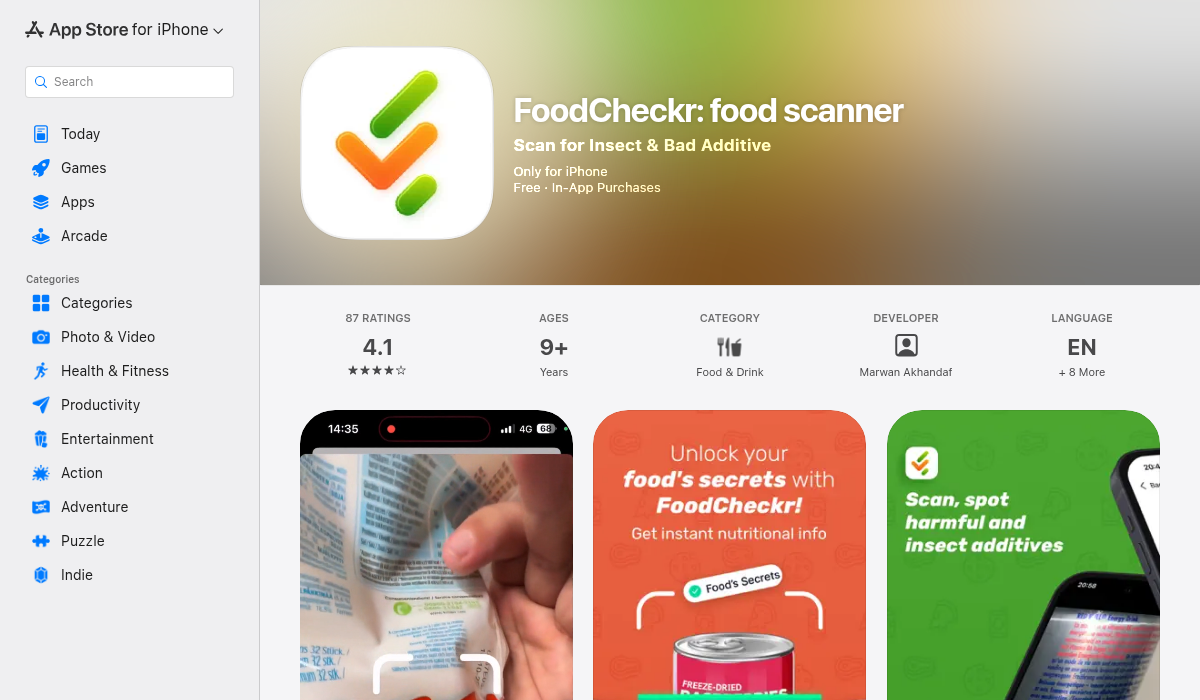
FoodCheckr takes a broad approach to food scanning that works well for nightshade-free diets. Rather than focusing on a single dietary restriction, it analyzes ingredients comprehensively.
- ✅ Nutritional breakdown — Energy, protein, sugars, fats at a glance
- ✅ Harmful additive detection — Catches problematic ingredients beyond nightshades
- ✅ AI bioengineered ingredient detection — Modern food science awareness
- ✅ Scan history — Remember what you've checked and what was safe
- ❌ Not nightshade-specific (you need to recognize derivatives)
FoodCheckr excels for people managing multiple dietary concerns alongside nightshade avoidance. The detailed ingredient breakdown lets you spot potato starch or paprika quickly.
2. VeganCheckr — Best for Whole-Foods Focus
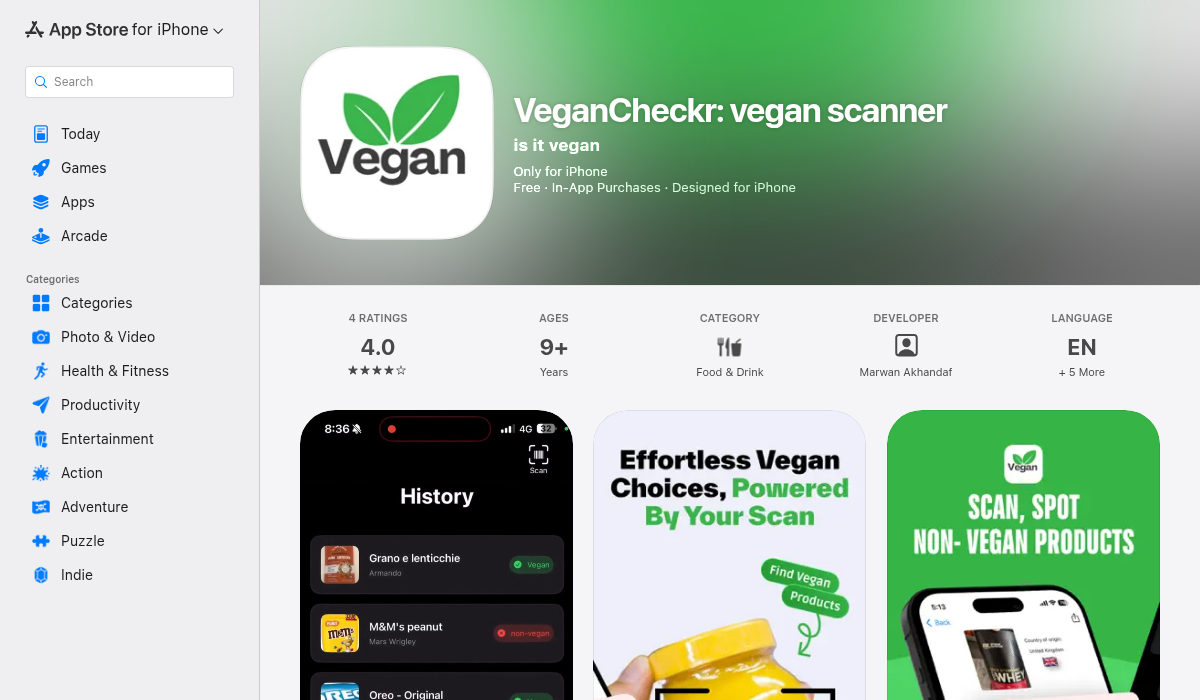
While VeganCheckr is designed for vegan diets, its ingredient analysis and supply chain transparency make it useful for nightshade avoiders too.
- ✅ Detailed ingredient analysis — Every component broken down
- ✅ Supply chain transparency — Know where ingredients come from
- ✅ Product comparisons — Find alternatives quickly
- ✅ Vegan map — Restaurant and store finder
- ✅ Additive checker — Comprehensive ingredient database
- ❌ Vegan-focused interface (nightshades aren't flagged as such)
The product comparison feature is particularly useful — when you find something with hidden paprika, you can quickly compare to find a nightshade-free alternative.
3. Fig App — Best for Custom Diet Profiles
Fig App lets you create a personalized "food fingerprint" that includes nightshade-free as a dietary restriction. It's designed for people with multiple intolerances or specific elimination diets.
- ✅ Custom diet profiles (AIP, nightshade-free, etc.)
- ✅ Scan and go functionality
- ✅ Saves safe products for quick reference
- ❌ Subscription-based for full features
- ❌ Database coverage varies by region
4. Yummly — Best for Nightshade-Free Recipe Discovery
If your main challenge is finding things to cook rather than scanning packaged foods, Yummly offers extensive nightshade-free recipe filtering.
- ✅ Large recipe database with dietary filters
- ✅ Meal planning features
- ✅ Shopping list generation
- ❌ Not a product scanner
- ❌ Relies on recipe submitters being accurate about nightshades
How to Use Scanner Apps Effectively
Create Your Watchlist
Before scanning, know the terms to look for. Save this list in your phone's notes:
- Direct nightshades: Tomato, potato, pepper, eggplant, paprika, cayenne
- Hidden derivatives: Potato starch, modified food starch, tomato powder, red pepper, chili
- Vague labels: "Spices" (often includes paprika), "natural flavoring" (could be capsicum)
Scan Everything — At First
When starting a nightshade-free diet, scan even products you think are safe. Many people are shocked to find paprika in their "plain" chicken seasoning or potato starch in their shredded cheese (it prevents clumping).
Build Your Safe Products List
Most scanner apps save your scan history. Use this to build a personal database of confirmed safe products. Apps like FoodCheckr keep your history accessible, so you're not rescanning the same pasta sauce every week.
Check Restaurant Menus Too
VeganCheckr's restaurant finder and similar features help identify places with nightshade-aware options. Many AIP-friendly restaurants understand nightshade restrictions.
Nightshade Substitutes to Know
Scanner apps help you avoid nightshades — but you also need replacements:
- Instead of tomato sauce: Nomato sauce (beets + carrots), butternut squash sauce
- Instead of potatoes: Cauliflower, sweet potatoes (not nightshades despite the name)
- Instead of paprika: Turmeric (for color), cumin (for smokiness)
- Instead of bell peppers: Celery, carrots, radishes for crunch
Pro Tips for Nightshade-Free Living
- Beware "spices" — Generic "spices" on labels often includes paprika. Contact manufacturers when in doubt.
- Check medications — Some use potato starch as a filler. Ask your pharmacist.
- Restaurant cards — Print or save a card explaining nightshade allergies for kitchen staff.
- Batch cook — Finding safe products is time-consuming. When you find winners, make large batches.
- Trust your symptoms — Even if an app says "safe," your body is the final judge. Track reactions.
The Bottom Line
Going nightshade-free doesn't mean guessing at every meal. The right scanner app — whether it's FoodCheckr for comprehensive ingredient analysis or VeganCheckr for supply chain transparency — takes the mental load off your shoulders.
Start by scanning products you currently eat. You might be surprised what hidden nightshades are already in your pantry. Build your safe-products list, learn the derivative names, and gradually shopping becomes second nature.
For anyone managing autoimmune conditions or elimination diets, these tools aren't just convenient — they're essential for staying inflammation-free and feeling your best.