
Best Vegan Protein Sources Apps Can Help You Track
Hitting your protein target on a vegan diet sounds simple on paper—until labels get confusing, portions get guessed, and your day ends 30 grams short. The good news is that in 2026, you can combine smart food choices with the right tracking app and make vegan protein intake far more predictable.
If you’ve ever asked “am I getting enough?” this guide is for you. We’ll break down practical vegan protein sources, where people usually undercount, and how app-based tracking helps you close the gap without obsessing over every bite.
The Problem Everyone’s Facing
Most people don’t fail vegan protein goals because they lack options. They fail because protein gets spread thinly across low-density foods and poorly estimated portions. A bowl of lentils, a handful of nuts, some oats, and maybe tofu at dinner can feel “high protein,” but daily totals can still miss the mark.
Reddit discussions around fitness and plant-based eating show the same pattern repeatedly: people think they’re eating enough, then start logging and realize they’re significantly under. One commenter in a bodyweight training discussion summarized it bluntly:
“...it’s just harder to get both enough calories and protein on a vegan diet so if you’re not tracking, it’s not gonna happen naturally.”— Reddit user in r/bodyweightfitness
That doesn’t mean vegan eating is inadequate. It means precision matters more—especially if your goals include muscle gain, fat loss, recovery, or appetite control.
What Actually Works in 2026
The best strategy is simple: build your day around a few reliable protein anchors, then track them consistently for at least 2-3 weeks. Once you understand your real intake, you can relax and run on habit.
Instead of chasing random “superfoods,” focus on repeatable high-protein staples:
- Tofu/tempeh: flexible for savory meals, excellent protein density
- Seitan: very high protein per calorie (if gluten is tolerated)
- Lentils/chickpeas/beans: protein + fiber foundation foods
- Soy milk, edamame, soy yogurt: easy add-ons that raise daily totals
- Pea/soy blends: useful when appetite or schedule is tight
Apps matter because they catch hidden misses: tiny portions, mislabeled products, and non-vegan additives in “healthy” packaged foods. For vegans, label interpretation can be as important as macros.
Best Vegan Protein Sources You Can Track Reliably
1) Soy Foods (Tofu, Tempeh, Edamame)
Soy remains one of the easiest ways to raise protein intake quickly. It’s versatile, affordable in many regions, and easy to prep in batch meals. For people who struggle to hit targets, soy-based meals often provide the fastest improvement.
2) Lentils and Pulses
Lentils, chickpeas, and beans aren’t “bodybuilding foods” in branding, but they’re practical daily protein workhorses. They also improve satiety, making them ideal during calorie deficits.
3) Seitan and High-Protein Meat Alternatives
When you need high protein with fewer calories, seitan-based meals can help. The caveat is ingredient quality and sodium content in processed alternatives, so scanning and comparing products is useful.
4) Protein-Boosting Add-ons
Small additions stack up: nutritional yeast, soy yogurt, hemp seeds, roasted edamame snacks, and protein-fortified wraps. If your base meals are already decent, these can bridge the final 15-25g gap.
Best Apps Compared
1. Cronometer
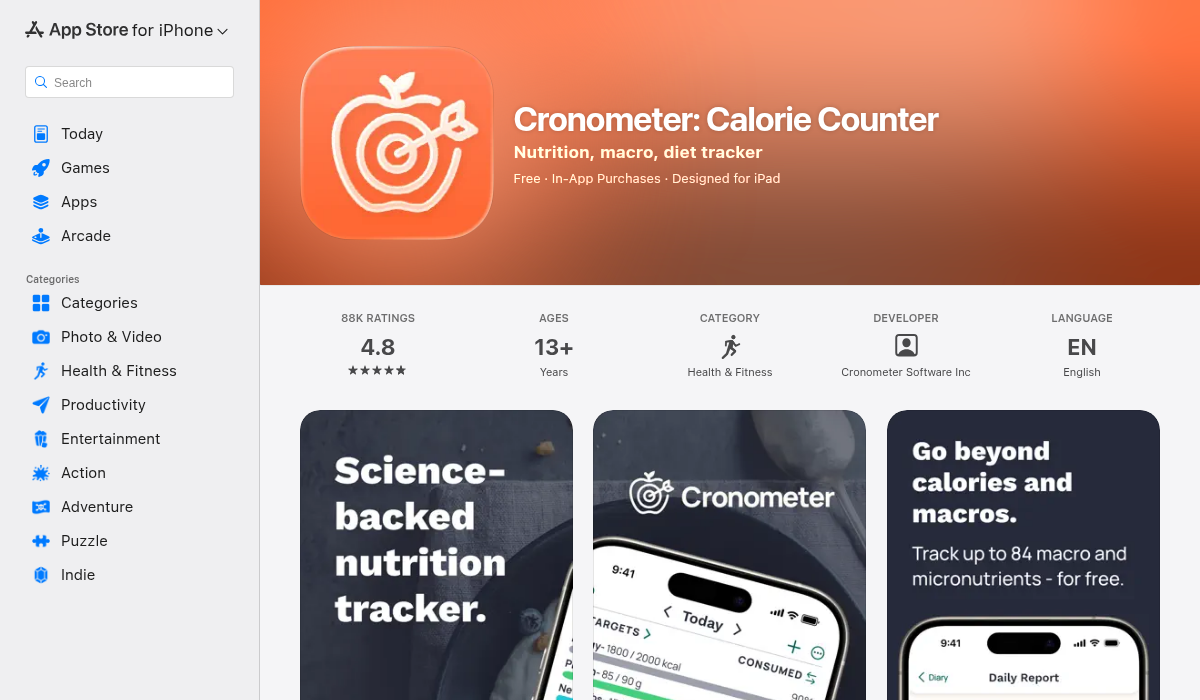
Cronometer is strong for detailed nutrition tracking and micronutrients. If you want deep macro control and data-heavy logging, it’s one of the best tools available.
- ✅ Excellent nutrient depth and reporting
- ✅ Good for athletes, recomp, and long-term tracking
- ❌ Not vegan-specific in ingredient interpretation
- ❌ Can feel overwhelming for beginners
2. VeganCheckr
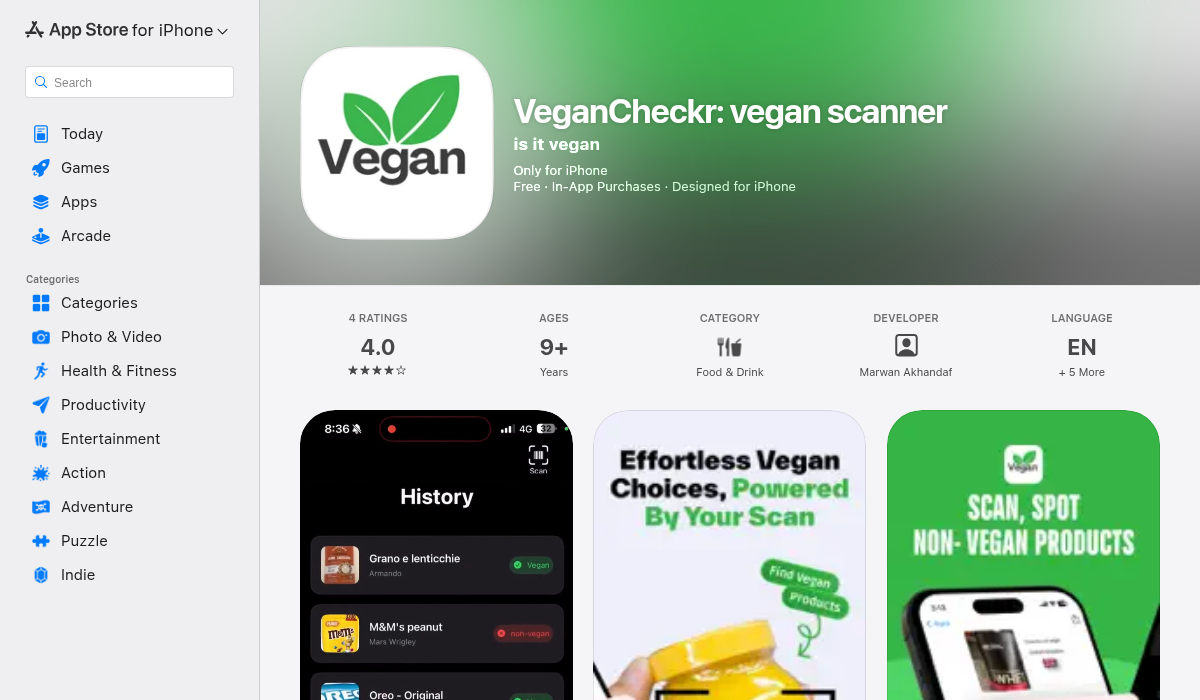
VeganCheckr takes a different angle: it helps you verify whether ingredients and additives are actually vegan while you shop and scan. That means fewer surprises from hidden animal-derived ingredients such as carmine (E120), shellac (E904), or ambiguous additives.
For users building high-protein routines from packaged foods, this matters. You can compare products side-by-side, check additive status quickly, and make better substitutions without standing in the aisle for 20 minutes.
- ✅ Barcode scanner for quick vegan checks
- ✅ Ingredient and additive lookup with clearer decisions
- ✅ Product comparison + vegan map for real-world use
- ✅ Report feature for community accuracy improvements
3. Generic calorie trackers (MyFitnessPal/YAZIO-style workflows)
General trackers are still useful for total intake and consistency. The tradeoff is that vegan ingredient certainty varies by database quality and user-generated entries.
- ✅ Fast logging and habit-building
- ✅ Good for trend lines and adherence
- ❌ Vegan ingredient certainty can be inconsistent
Where Most Vegan Protein Plans Go Wrong
1) Overestimating “healthy” meals. A meal can be nutrient-dense but still low in protein. Salads and grain bowls often need a dedicated protein center (tofu, tempeh, seitan, legumes).
2) Ignoring additive and ingredient labels. People assume “plant-based branding” means fully vegan composition, but packaged foods can still include animal-derived colorants, glazing agents, or processing aids.
3) Relying on one source only. Rotating multiple sources improves adherence, texture variety, and meal satisfaction.
4) Not planning protein distribution. Aiming for even protein across meals is often easier than trying to “catch up” at night.
Simple Vegan Protein Day Template
Use this as a baseline and adjust portions to your goals:
- Breakfast: soy yogurt + oats + chia + fruit
- Lunch: lentil bowl with tofu, quinoa, and vegetables
- Snack: roasted edamame or protein shake
- Dinner: seitan or tempeh stir-fry with rice and greens
- Backup: keep one fast protein option ready for busy days
Track this structure for two weeks. Most people quickly see where they need larger portions, better substitutions, or an extra protein slot.
Pro Tips for Better Results
- Use one “anchor meal” daily — repeat a proven high-protein meal you enjoy.
- Scan first, buy second — check questionable additives before checkout.
- Compare products, not packaging — side-by-side comparison prevents accidental low-protein picks.
- Audit your week, not just your day — weekly averages matter more than perfect single days.
- Prioritize adherence over perfection — consistency beats complex plans you won’t follow.
Protein Targets: How Much Do You Actually Need?
One reason vegan protein conversations get messy is that people use very different goals. Someone trying to preserve muscle while losing weight needs a different intake than someone eating at maintenance with light activity. A practical range many nutrition coaches use is:
- General health: roughly 0.8g/kg body weight
- Active adults: around 1.2-1.6g/kg
- Higher-demand training phases: often 1.6-2.2g/kg
You don’t need to obsess over decimals. Pick a target range, track for a few weeks, and adjust based on recovery, appetite, and progress. Apps are useful because they show patterns over time instead of one-off “good” days.
How to Build a High-Protein Vegan Grocery List
A strong weekly list makes everything easier. If the right foods are in your kitchen, protein takes care of itself with basic meal prep. If they are missing, no app can save the week.
Use this simple structure:
- Primary proteins: tofu, tempeh, seitan, edamame, lentils, chickpeas
- Secondary supports: high-protein wraps, soy yogurt, fortified soy milk
- Fast backups: ready shakes, roasted legumes, frozen protein meals
- Flavor stack: sauces, spices, marinades (to maintain adherence)
When scanning packaged products, check three things quickly: protein per serving, ingredient quality, and vegan additive status. This is where a dedicated vegan ingredient checker reduces mistakes.
Common Label Traps That Lower Protein Progress
“Plant-based” isn’t always high-protein. Many products are marketed as plant-forward but deliver minimal protein per serving. If your goal is satiety or muscle maintenance, this can quietly derail you.
Serving-size illusion. A label may look great until you realize a realistic meal is 1.5-2 servings.
Unknown additive assumptions. Some products appear vegan but include questionable colorants or glazing agents. Reliable scanning is a better strategy than guessing.
FAQ: Vegan Protein Tracking in Real Life
Do I have to track forever?
No. Most people only need 2-6 weeks of honest tracking to calibrate portions and routines. After that, you can move to lighter check-ins.
Can I hit high protein without powders?
Yes, but planning matters more. Powders are convenience tools, not requirements. Food-first works when meals are intentionally protein-centered.
What if my appetite is low?
Use more protein-dense options: tofu, seitan, soy yogurt, and smoothies. Large-volume low-protein meals can make targets hard when appetite is limited.
How often should I review my intake data?
Weekly is enough for most people. Look for trends, not perfection. If your weekly average is on target, occasional low days aren’t a problem.
Weekly Review Checklist (5 Minutes)
At the end of each week, run a short review instead of guessing whether your plan works:
- Did your weekly protein average hit your target range?
- Which meals were easiest to repeat?
- Which products looked vegan but required additive checks?
- What single grocery change would make next week easier?
This tiny review loop is what turns tracking from a short experiment into a long-term sustainable habit.
The Bottom Line
Vegan protein targets are absolutely achievable, but they’re easier when you treat tracking as a short-term calibration tool instead of a forever burden. Build around reliable protein foods, verify ingredients, and remove label guesswork.
If your goal is to stay strictly vegan while shopping smarter and avoiding hidden animal-derived ingredients, VeganCheckr is worth trying alongside your macro tracker.
Sources: Apple App Store listings (VeganCheckr, Cronometer), Reddit community discussions on vegan protein tracking behavior, and additive references commonly used in vegan labeling.