
Bioengineered Food Ingredients: Everything You Need to Know
You've probably seen it on food labels: "Contains bioengineered food ingredients." But what does that actually mean, and should you be concerned?
Since 2022, food manufacturers in the United States have been required to disclose bioengineered ingredients under the National Bioengineered Food Disclosure Standard (NBFDS). Yet a surprising number of shoppers remain confused about what these labels mean — and more importantly, what they're missing. In this guide, we'll break down everything you need to know about bioengineered food ingredients, from what they are to how you can identify them in your groceries.
What Exactly Are Bioengineered Food Ingredients?
"Bioengineered" is the official USDA term for what most people call GMOs (Genetically Modified Organisms). According to the USDA, a bioengineered food contains detectable genetic material that has been modified through laboratory techniques — changes that couldn't occur through conventional breeding or natural processes.
The key word here is "detectable." This seemingly technical detail has massive implications for what ends up labeled and what doesn't.
"Farmers didn't splice DNA from frogs so rice can withstand frostbite. This is different from cross breeding. Reality is we as consumers are blind to what DNA is being entered where."— Reddit user in r/GroceryStores
The confusion is understandable. A 2023 consumer survey found that 63% of shoppers recognize the term "GMO," while only 36% are familiar with "bioengineered." The government essentially rebranded a familiar concept with an unfamiliar term.
The USDA's Official List of Bioengineered Foods
The USDA maintains an official list of foods that may require bioengineered disclosure. As of 2026, this includes:
- Corn — Found in countless products as corn syrup, cornstarch, and corn oil
- Soybeans — Used in soy lecithin, soybean oil, and tofu
- Canola — Primary source of canola oil
- Sugar beets — About 55% of US sugar comes from beets
- Cotton — Cottonseed oil appears in many processed foods
- Potatoes — Some varieties engineered for disease resistance
- Papaya — Ringspot virus-resistant varieties
- Summer squash — Disease-resistant varieties
- AquAdvantage Salmon — The first bioengineered animal approved for food
- Arctic Apple — Engineered not to brown when cut
- Pinkglow Pineapple — Modified for pink flesh color
Today, about 90% of corn, soybean, cotton, and canola acres in the United States are planted with genetically engineered varieties. This means bioengineered ingredients are in far more products than most people realize.
The Labeling Loopholes You Should Know About
Here's where things get complicated — and arguably, problematic. The bioengineered food labeling law has significant exemptions that critics say undermine its purpose.
What Doesn't Require a Label:
- Highly refined ingredients — Sugar from GMO beets, oil from GMO canola, and corn syrup from GMO corn often escape labeling because processing removes detectable DNA
- Restaurant food — That corn tortilla at your favorite Mexican restaurant? No disclosure required
- Meat, poultry, and eggs — Even if animals were fed GMO grain their entire lives
- Pet food — Your dog's kibble is exempt
- Small manufacturers — Companies with less than $2.5 million in annual receipts are exempt
- USDA Organic products — These are already certified GMO-free
- Products made with newer gene-editing techniques — Technologies like CRISPR may not leave detectable markers
"Nabisco and Kellogg's aren't making bioengineered foods because they want you to be healthier. It's because they make more money."— Reddit user in r/GroceryStores
The USDA itself provides an interesting example: consider a can of pork stew containing GMO corn. If pork is listed first on the ingredients, no BE label required. If water is listed first with pork second, still no label. Only if corn appears before pork would disclosure be necessary. The same product could require labeling or not, depending entirely on the ingredient order.
What the Label Actually Looks Like
Food manufacturers can choose from several disclosure options:
- Text statement — "Bioengineered food" or "Contains a bioengineered food ingredient"
- USDA BE symbol — A circular emblem with a sun and plant design
- QR code — Scan for more information (requires a smartphone)
- Phone number — Call for a pre-recorded message
- URL — For very small manufacturers only
Critics argue that QR codes and phone numbers create barriers, especially for older shoppers or those without smartphones. And the unfamiliar term "bioengineered" — without any explanation on the package — leaves many consumers confused about what they're actually buying.
Are Bioengineered Foods Safe?
This is the billion-dollar question. According to major scientific organizations, including the National Academies of Sciences, Engineering, and Medicine, genetically engineered foods currently on the market are safe to eat.
MedlinePlus, the National Institutes of Health's consumer health resource, states: "There are no reports of illness, injury, or environmental harm due to GMOs. Genetically engineered foods are just as safe as conventional foods."
A 2024 paper in GM Crops & Food noted that after nearly thirty years of commercial GM food production, "no new GMO has been proven to be a hazard or cause harm to human consumers."
However, some consumers remain skeptical, and their concerns often extend beyond direct health effects:
- Environmental impact of herbicide-resistant crops
- Corporate control of the food supply
- Potential unknown long-term effects
- Desire for "natural" or traditional food
- Religious or ethical considerations
"Creating tolerance to Roundup, then spreading tons of chemicals over the fields, getting into groundwater and water runoff. That's how corporations use GMO food as a club."— Reddit user in r/TooAfraidToAsk
Whatever your stance, having accurate information about what's in your food is essential for making choices that align with your values.
How to Identify Bioengineered Ingredients in Your Food
Given the labeling gaps, checking for a BE symbol isn't enough. Here are practical strategies:
1. Learn the Common Culprits
If a product contains corn, soy, canola, sugar (from beets), or cottonseed oil without organic certification, assume it likely contains bioengineered ingredients. These crops are so widely modified that non-GMO versions are the exception.
2. Look for Certifications
The Non-GMO Project Butterfly label is currently the most rigorous third-party verification for avoiding GMOs. USDA Organic certification also prohibits GMO ingredients.
3. Use a Food Scanner App
Technology can help fill the gaps left by inadequate labeling. Several apps can analyze food products and flag potential concerns.
Best Apps for Checking Food Ingredients
1. Yuka

Yuka is one of the most popular food scanning apps worldwide. It rates products on a 100-point scale based on nutritional value, additives, and organic status.
- ✅ Large product database
- ✅ Clear health ratings
- ✅ Suggests alternatives
- ❌ No specific GMO/bioengineered filter
- ❌ Premium features require subscription
2. FoodCheckr
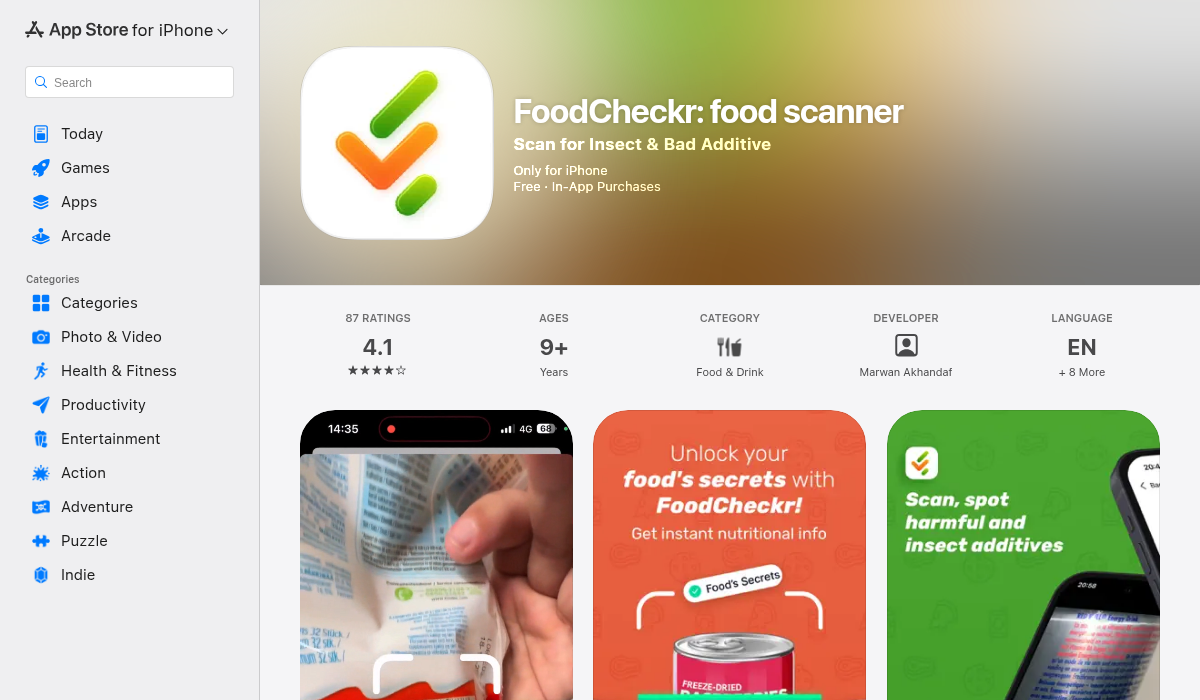
FoodCheckr takes a different approach by using AI to analyze ingredient lists directly. Snap a photo of any ingredient panel, and the app breaks down what each component means.
- ✅ AI-powered ingredient analysis
- ✅ Works with any product (not database-dependent)
- ✅ Explains E-numbers and additives
- ✅ Detects common GMO-derived ingredients
- ✅ Privacy-focused (no data collection)
What makes FoodCheckr particularly useful for bioengineered ingredient detection is its ability to identify corn-derived, soy-derived, and other potentially GMO ingredients that might not be obviously labeled.
3. HalalFoodScan
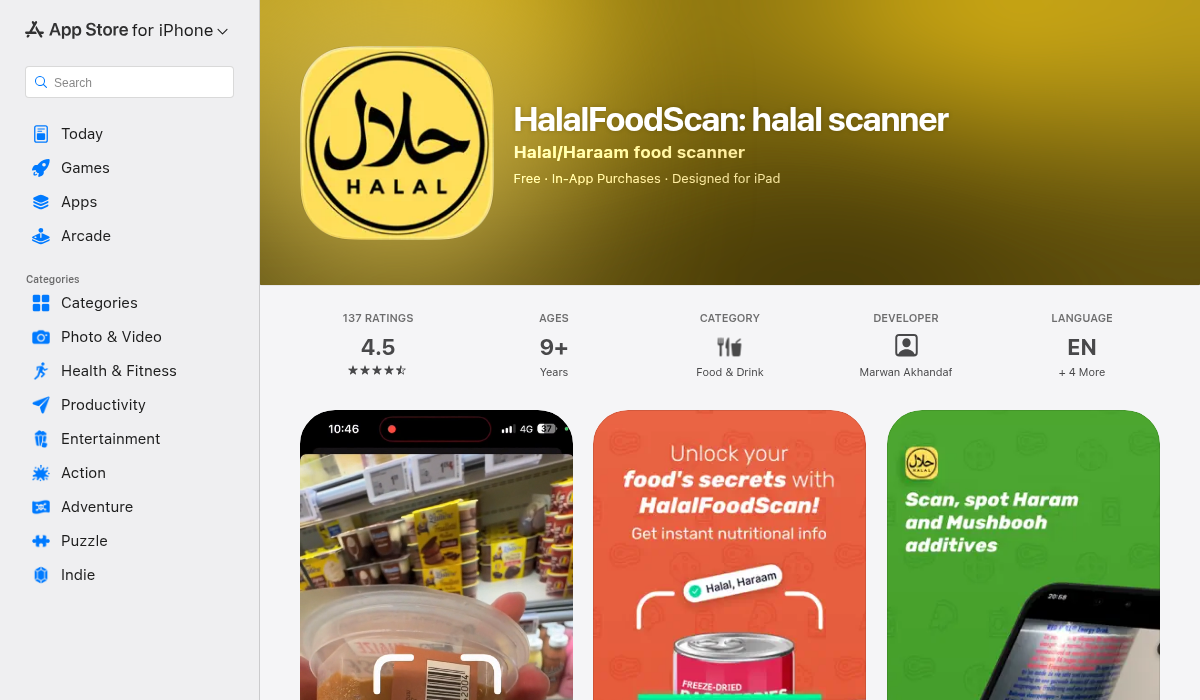
While primarily designed for Muslim consumers checking halal compliance, HalalFoodScan offers detailed ingredient analysis that's valuable for anyone wanting to understand what's in their food.
- ✅ Barcode scanning with instant results
- ✅ Detailed additive breakdown
- ✅ AI-powered ingredient detection
- ✅ Identifies hidden animal-derived and questionable ingredients
- ✅ Useful for vegans and health-conscious shoppers too
The app's additive analysis feature is particularly helpful because many questionable ingredients — whether from a halal, vegan, or GMO perspective — overlap.
Pro Tips for Navigating Bioengineered Foods
- Don't rely solely on the BE label — Its absence doesn't mean a product is GMO-free due to exemptions
- Check for organic certification — USDA Organic products cannot contain bioengineered ingredients
- Be skeptical of "natural" claims — This label has no legal meaning regarding GMOs
- Scan ingredient lists, not just front labels — Apps can catch what marketing hides
- Focus on whole foods — Unprocessed fruits, vegetables, and meats are easier to verify
- Know your priorities — Decide what matters most to you: health, environment, ethics, or cost
The Bottom Line
Bioengineered food ingredients are more prevalent than ever, appearing in an estimated 75% of processed foods in the US. While scientific consensus maintains they're safe to eat, the labeling system remains imperfect — full of exemptions that leave consumers guessing.
Whether you're trying to avoid bioengineered ingredients entirely or simply want to know what you're eating, the key is staying informed. Use multiple tools: read labels carefully, look for third-party certifications, and leverage technology like food scanner apps to fill in the gaps.
Your food choices are personal. The important thing is that they're informed choices.
If you want to take control of what's in your food, FoodCheckr can help you analyze any ingredient list instantly — no massive database required, just AI-powered transparency.