
Confectioner's Glaze: The Hidden Non-Halal Ingredient in Your Food
That shiny coating on your candy, the glossy finish on your pills, the sparkle on those sprinkles—it might not be as innocent as it looks. Confectioner's glaze is everywhere in our food supply, and most people have no idea what it actually is.
Here's the uncomfortable truth: confectioner's glaze is shellac, a resin secreted by lac insects, typically dissolved in alcohol. For Muslims trying to eat halal, this raises two immediate red flags: the insect origin and the alcohol processing.
Let's break down exactly what confectioner's glaze is, what the scholars say, and how to spot it in your food.
What Is Confectioner's Glaze?
Confectioner's glaze—also labeled as shellac, pharmaceutical glaze, resinous glaze, or E904—is a shiny coating used to give foods a glossy appearance and protect them from moisture. It's incredibly common in:
- Candy and chocolate — M&Ms, jelly beans, coated nuts
- Pills and supplements — Coating for easier swallowing
- Sprinkles and decorations — That appealing shine
- Fresh produce — Wax coating on apples and citrus
- Coffee beans — Glossy roasted beans
The source? Female lac insects (Kerria lacca) secrete this resin onto tree branches in India and Thailand. Workers scrape it off, process it, and dissolve it in denatured alcohol to create the liquid glaze used in food production.
Why Muslims Are Concerned
A Reddit thread in r/islam captured the confusion many Muslims feel:
"I found a couple different articles so it's uncertain. It is halal provided it doesn't contain any bug parts, just the secretion which is halal like honey."— Reddit user in r/islam
The debate centers on two issues:
Issue 1: Insect Origin
Is consuming insect secretions halal? This depends on how you classify shellac:
- If it's like honey (bee secretion) — It would be halal
- If it's part of the insect itself — It would be haram (insects are generally not permissible to eat)
Issue 2: Alcohol Processing
Shellac is dissolved in ethyl alcohol (ethanol) to create the liquid form used in food manufacturing. While much of the alcohol evaporates during application, this processing raises concerns for some Muslims.
What Do the Scholars Say?
Islamic rulings on confectioner's glaze vary, and there's genuine scholarly difference (ikhtilaf) on this issue.
The Permissible View
Many scholars, particularly in the Hanafi tradition, consider shellac permissible. The reasoning:
- It's a secretion, not part of the insect — Like honey from bees or milk from animals
- Transformation (istihalah) — The processing changes its nature
- Alcohol evaporates — The final product contains negligible alcohol
IslamQA (Hanafi) states:
"Shellac is a resinous secretion of an insect commonly used in the food and pharmaceutical industry. It is used as glazes such as confectionary glaze on food products."— IslamQA.org (Hanafi)
The fatwa indicates that if the shellac is pure secretion without insect parts, it would be permissible.
The Cautious View
Other scholars take a more cautious approach, classifying shellac as Mushbooh (doubtful) or Makruh (disliked). Their concerns:
- The processing involves alcohol
- Difficulty in verifying no insect parts are present
- Better to avoid doubtful matters
The Prophet ﷺ taught us about doubtful matters:
"What is lawful is clear and what is unlawful is clear, and between them are unclear matters unknown to many people. So whoever avoids the unclear matters, he has protected his religion and his honor."— Sahih Bukhari 52
The Kosher Perspective
For reference, major kosher authorities like the OU (Orthodox Union) permit shellac:
"Rav Moshe Feinstein offers several reasons why shellac is permitted for food use."— OU Kosher Certification
While kosher rulings don't automatically apply to halal, they can provide useful context since both traditions grapple with similar food purity concerns.
Where You'll Find Confectioner's Glaze
This ingredient hides under multiple names. Watch for:
- Confectioner's glaze
- Shellac
- Pharmaceutical glaze
- Resinous glaze
- E904
- Lac resin
- Natural glaze
Common Products Containing Confectioner's Glaze
- Jelly Belly jelly beans
- Some M&M varieties
- Junior Mints
- Milk Duds
- Good & Plenty
- Many coated chocolates
- Sprinkles and cake decorations
- Pharmaceutical tablets and capsules
- Some vitamin gummies
Halal Alternatives
If you prefer to avoid confectioner's glaze entirely, look for:
- Carnauba wax — Plant-based wax from palm leaves
- Beeswax — Halal according to all scholars
- Vegetable glycerin coating — Plant-derived
- Uncoated candies — Matte finish instead of glossy
Many halal-certified candy brands specifically use these alternatives.
How to Check Products Quickly
Reading every ingredient list is tedious, especially when the same ingredient has multiple names. This is where technology helps.
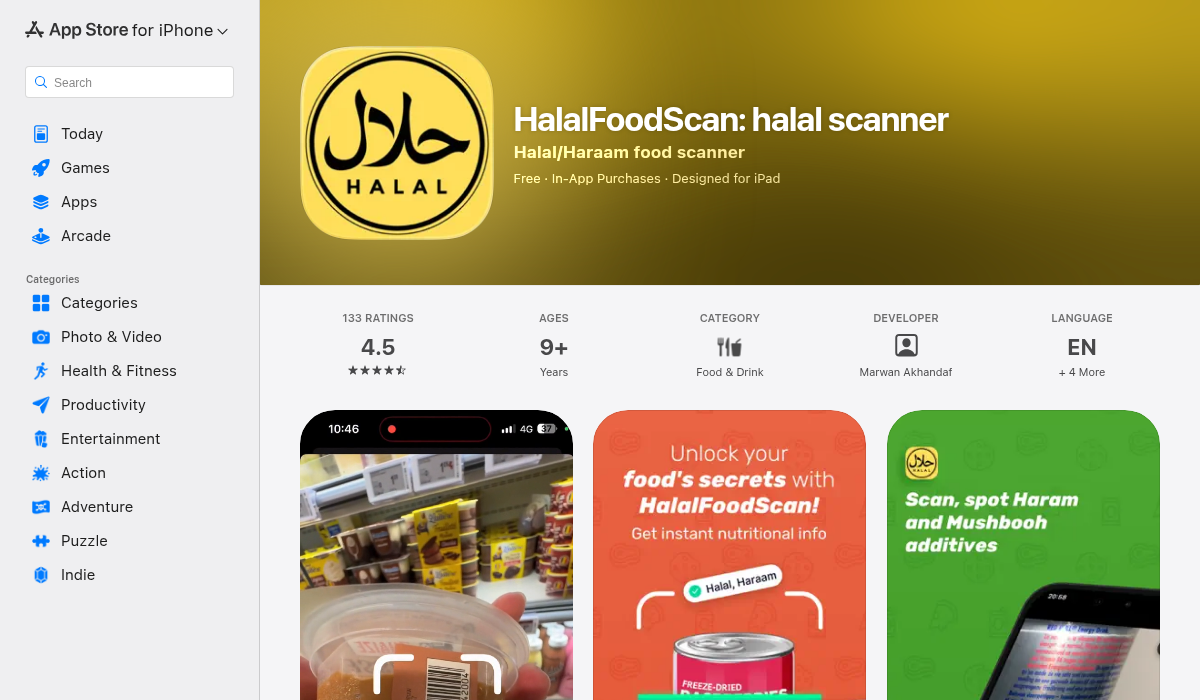
HalalFoodScan can scan any product barcode and instantly flag confectioner's glaze and other questionable ingredients. The app recognizes all the different names (shellac, E904, pharmaceutical glaze) and classifies them appropriately.
For products not in the database, the AI-powered additive detection feature lets you photograph the ingredient list. The app identifies each additive and provides its halal status with explanations.
Key features for catching hidden ingredients:
- ✅ Instant barcode scanning
- ✅ E-number identification (E904 = shellac)
- ✅ Multiple name recognition
- ✅ AI ingredient analysis
- ✅ Mushbooh flagging for doubtful items
Making Your Decision
Given the scholarly difference on confectioner's glaze, here's a practical framework:
If You Want to Be Cautious
Avoid products with confectioner's glaze, shellac, or E904. Look for halal-certified alternatives or products with plant-based coatings.
If You Follow the Permissible View
You can consume products with confectioner's glaze, understanding that many scholars consider it halal based on the secretion analogy and transformation principle.
General Guidelines
- Know the names — Shellac, E904, confectioner's glaze, pharmaceutical glaze, resinous glaze, lac resin
- Check certifications — Halal-certified products have already been evaluated
- Consider the source — If a product is also kosher-certified, it may provide additional assurance
- Use technology — Scanning apps save time and catch hidden ingredients
- Ask when unsure — Contact manufacturers or consult local scholars
The Bottom Line
Confectioner's glaze is one of those ingredients that most people never think about—until they start paying attention to what's in their food. Here's what matters:
- It's insect-derived — Secretion from lac insects, similar to how honey comes from bees
- Scholars differ — Some permit it (Hanafi view: it's a secretion, not the insect), others advise caution
- It's everywhere — Candies, pills, coated nuts, even fresh produce
- Alternatives exist — Carnauba wax, beeswax, and other plant-based coatings
The key is awareness. Once you know what to look for, making informed choices becomes much easier—especially with the help of ingredient-scanning technology.
Note: For specific religious rulings (fatwa), always consult with qualified Islamic scholars or your local imam. This article provides general information based on recognized Islamic sources and scholarly opinions.
Want to take the guesswork out of halal food shopping? HalalFoodScan is free to download and makes checking products as simple as scanning a barcode.