
Freelancer Finance: Complete Guide to Managing Money When You Work for Yourself
Managing money as a freelancer is nothing like having a regular paycheck—and that's both the freedom and the terror of it.
One month you're flush with cash from a big project, the next you're watching your bank balance slowly drain while waiting on late payments. If you've ever felt lost trying to keep track of invoices, taxes, and expenses across multiple clients, you're not alone. The good news? With the right systems and tools in place, freelancer finances don't have to be chaos.
The Feast or Famine Problem
The biggest challenge freelancers face isn't finding clients—it's managing the wildly inconsistent income that comes with the territory. Unlike salaried employees who know exactly what's hitting their account on the 15th and 30th, freelancers deal with payments that arrive on their own schedule (if they arrive at all).
"Having a dedicated bank or wallet just for freelance income made it easier to track everything. I started with Google Sheets, but later tried apps like Wave and FreshBooks—both have free versions for small users."— Reddit user in r/freelance
This inconsistency creates a cascade of problems: How do you budget when you don't know what you'll earn? How much should you save for taxes? When can you actually pay yourself?
The Core Principles of Freelancer Finance
After talking to hundreds of freelancers and financial advisors, a few universal principles emerge:
1. Separate Your Money
The single biggest upgrade you can make is opening a dedicated business account. When freelance income and personal spending mix, tracking becomes a nightmare. Keep them separate, and suddenly everything gets clearer.
"All my freelance money goes into my business checking account. I pay business expenses from that account. I pay myself through Gusto, which takes care of payroll taxes and transfers my salary from business to personal checking."— Reddit user in r/freelance
2. The 25% Tax Rule
Financial experts consistently recommend saving around 25% of your freelance income for taxes. This covers both income tax and self-employment tax (which funds Medicare and Social Security). Put this money in a separate savings account the moment it arrives—don't wait until tax season.
3. Know Your Numbers
You need to know your monthly baseline—the minimum amount required to keep the lights on. Track your expenses for three months, identify your essential costs, and build your financial safety net around that number.
4. Invoice Like a Professional
Late payments are the freelancer's enemy. The solution? Professional invoicing with clear payment terms, automatic reminders, and multiple payment options. The easier you make it for clients to pay, the faster they will.
Building Your Freelance Finance Stack
The right tools make all the difference. Here's what actually works in 2026:
For Invoicing
You need something that looks professional, tracks payment status, and sends reminders automatically. Desktop software is overkill for most freelancers—a mobile-first app that lets you invoice from anywhere is the way to go.
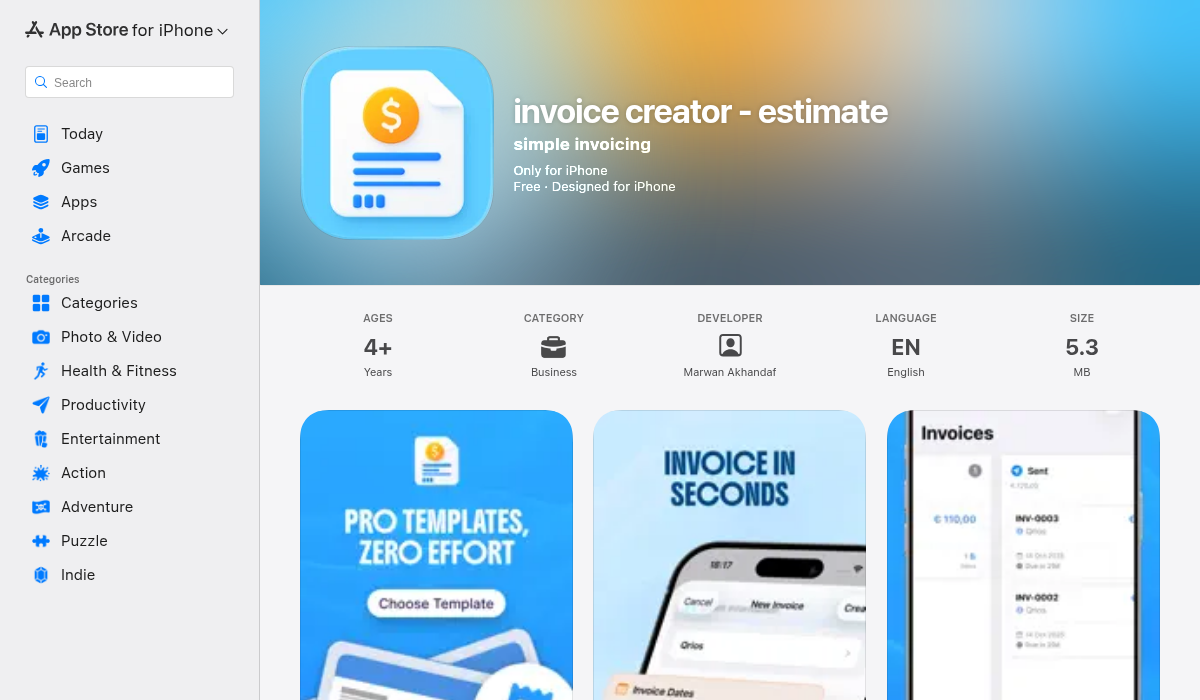
Invoice Creator is worth checking out if you want a clean, mobile-first approach. It handles professional invoice creation with customizable templates, client management, expense tracking, and even digital signatures. The tax tracking feature is particularly useful for keeping your quarterly estimates accurate.
- ✅ Professional templates that don't look amateur
- ✅ Client management built-in
- ✅ Expense tracking alongside invoicing
- ✅ Tax reports when you need them
For Budgeting
Traditional budgeting apps assume steady income, which doesn't work for freelancers. Look for tools that let you budget with money you actually have, not money you hope to receive.
"YNAB has been the budgeting system that has worked best for me, because it only budgets money you have available right now, and you budget new money as it becomes available to you. This works perfectly for inconsistent income like with freelancing."— Reddit user in r/personalfinance
For Accounting
For most freelancers, especially those just starting out, Wave offers free accounting that covers the basics. QuickBooks and FreshBooks offer more features but come with monthly fees. The right choice depends on your complexity—solo freelancers often do fine with simpler solutions.
The Freelancer Emergency Fund
Every financial advisor will tell you: freelancers need a bigger emergency fund than employees. The standard advice of 3-6 months of expenses applies to people with stable jobs. For freelancers, aim for 6-12 months.
This isn't pessimism—it's realism. Projects get delayed. Clients disappear. Industries shift. Having a substantial buffer means you can make decisions from a position of strength rather than desperation.
Handling Taxes as a Freelancer
Taxes are where many freelancers get blindsided. Unlike employees who have taxes withheld automatically, freelancers owe quarterly estimated taxes. Miss these payments and you'll face penalties.
The Quarterly Payment Schedule (US)
- Q1 — Due April 15
- Q2 — Due June 15
- Q3 — Due September 15
- Q4 — Due January 15
Set calendar reminders, calculate your estimated taxes, and make those payments. Your future self will thank you.
Track Every Deduction
Home office space, equipment, software subscriptions, professional development, health insurance—these all reduce your taxable income. Keep receipts, categorize expenses, and don't leave money on the table.
Setting Your Rates
Undercharging is epidemic among freelancers. Remember: you're covering your own health insurance, retirement, taxes, equipment, software, and unpaid time between projects. A rate that seems high compared to an hourly employee wage is often barely breaking even when you factor in all the hidden costs.
Calculate your true hourly cost (including all overhead and non-billable time), then add your desired profit margin. Don't apologize for charging what you're worth.
Pro Tips from Experienced Freelancers
- Invoice immediately — Don't wait until the end of the month. Invoice when work is complete while it's fresh in everyone's mind.
- Require deposits — For larger projects, 30-50% upfront protects you from no-shows and ensures client commitment.
- Automate everything — Recurring invoices, automatic payment reminders, scheduled tax transfers. The less you have to remember, the more consistent your finances become.
- Review monthly — Set a monthly "money date" to review income, expenses, and trajectory. Surprises are rare when you're paying attention.
- Track billable time — Even if you charge flat rates, knowing how long projects actually take helps you price future work accurately.
The Bottom Line
Freelancer finance isn't rocket science, but it does require intention. Separate your accounts, save for taxes immediately, invoice professionally, and build a buffer that lets you sleep at night. The tools exist to make this straightforward—the key is actually using them consistently.
If you're still invoicing from Word documents or tracking expenses in your head, it's time to upgrade. Something like Invoice Creator handles the invoicing and expense tracking side of things cleanly, leaving you to focus on the work that actually earns the money.
The freelance life is about freedom—don't let disorganized finances take that away.