
Glycerin in Food: Halal or Haram?
You're scanning ingredient labels and spot "glycerin" or "glycerol"—is it halal or haram? The answer isn't straightforward, and that uncertainty frustrates Muslims worldwide. Glycerin appears in everything from bread and biscuits to toothpaste and skincare. Understanding its sources and Islamic rulings is essential for anyone trying to eat halal consciously.
This guide breaks down the sources of glycerin, the scholarly rulings, and how to make informed decisions when you can't verify the source.
What is Glycerin?
Glycerin (also called glycerol or glycerine) is a colorless, odorless liquid with a sweet taste. It's used in food as a sweetener, moisture-retainer, and thickening agent. You'll find it in:
- Baked goods (bread, cakes, biscuits)
- Candy and confectionery
- Ice cream and frozen desserts
- Beverages
- Processed foods
- Toothpaste and mouthwash
- Skincare and cosmetics
- Medicines and supplements
The question for Muslims isn't about glycerin itself—it's about where it comes from.
The Three Sources of Glycerin
1. Plant-Based Glycerin (Vegetable Glycerin)
Derived from vegetable oils like palm, coconut, or soybean. This is halal with no difference of opinion among scholars.
2. Animal-Based Glycerin
Derived from animal fats. This is where the halal question becomes complex:
- Pork-derived — Haram (forbidden) according to scholarly consensus
- From halal-slaughtered animals — Halal
- From non-halal slaughtered animals — Considered "dead meat" (maytah) and impermissible
3. Synthetic Glycerin
Produced through chemical processes from petroleum products. Generally considered halal, though some scholars recommend verifying the production process.
What Do the Scholars Say?
The Standing Committee for Islamic Research and Issuing Fatwas, headed by Shaykh 'Abd al-'Azeez ibn Baaz, ruled:
"If a Muslim is certain or thinks it most likely that meat, fat or ground bones of a pig have got into any food, medicine or toothpaste etc, then it is not permissible for him to eat it, drink it or use it. In the case of doubt, then he should not use it, because the Prophet ﷺ said: 'Leave that which makes you doubt for that which does not make you doubt.'"— Fataawa al-Lajnah al-Daa'imah (22/281)
The hadith referenced is from Sunan al-Tirmidhi (2518), where the Prophet ﷺ provided this foundational principle for dealing with doubtful matters.
The Principle of Istihalah (Transformation)
Some scholars argue that when animal fat undergoes a chemical process and transforms into glycerin—a completely different substance—it becomes pure and permissible. This is known as istihalah (transformation).
The Islamic Medical Sciences Organization of Kuwait stated:
"Istihalah (process of change) means that a substance changes into another substance with different characteristics, so an impure substance may change into a pure substance, and a haram substance may change into one that is permissible according to sharee'ah."— Islamic Medical Sciences Organization of Kuwait (1995)
However, this ruling has conditions. Shaykh Ibn Baaz and scholars from IslamQA clarified that if the source is pork fat, even transformation may not make it halal according to the more cautious opinion.
The Difference of Opinion
Among the four madhabs (schools of Islamic jurisprudence):
- Hanafi position — Generally accepts istihalah as making transformed substances permissible
- Majority position (Shafi'i, Maliki, Hanbali) — More cautious; transformation doesn't automatically purify substances from haram sources
When there's scholarly difference, the safer approach is to avoid when possible.
The Practical Challenge
Here's the problem: most food labels simply say "glycerin" or "glycerol" without specifying the source. In Western countries, glycerin is often derived from animal fats, particularly:
- Tallow (beef fat) — May or may not be halal depending on slaughter method
- Lard (pork fat) — Always haram
- Mixed sources from food industry waste
As one Islamic scholar noted, much of the glycerin in Western food production comes from "leftovers by customers at restaurants" and mixed sources, making verification nearly impossible without specific labeling.
How to Navigate Glycerin in Food
Option 1: Look for "Vegetable Glycerin"
If a product explicitly states "vegetable glycerin" or "plant-based glycerin," it's clearly halal. Many health-conscious brands now specify this.
Option 2: Check for Halal Certification
Products certified by recognized halal bodies (like JAKIM, MUI, ISNA, or IFANCA) have had their glycerin sources verified. This is the most reliable method.
Option 3: Contact the Manufacturer
When in doubt, ask the company directly about the glycerin source. Many companies can provide this information upon request.
Option 4: Use a Scanning App
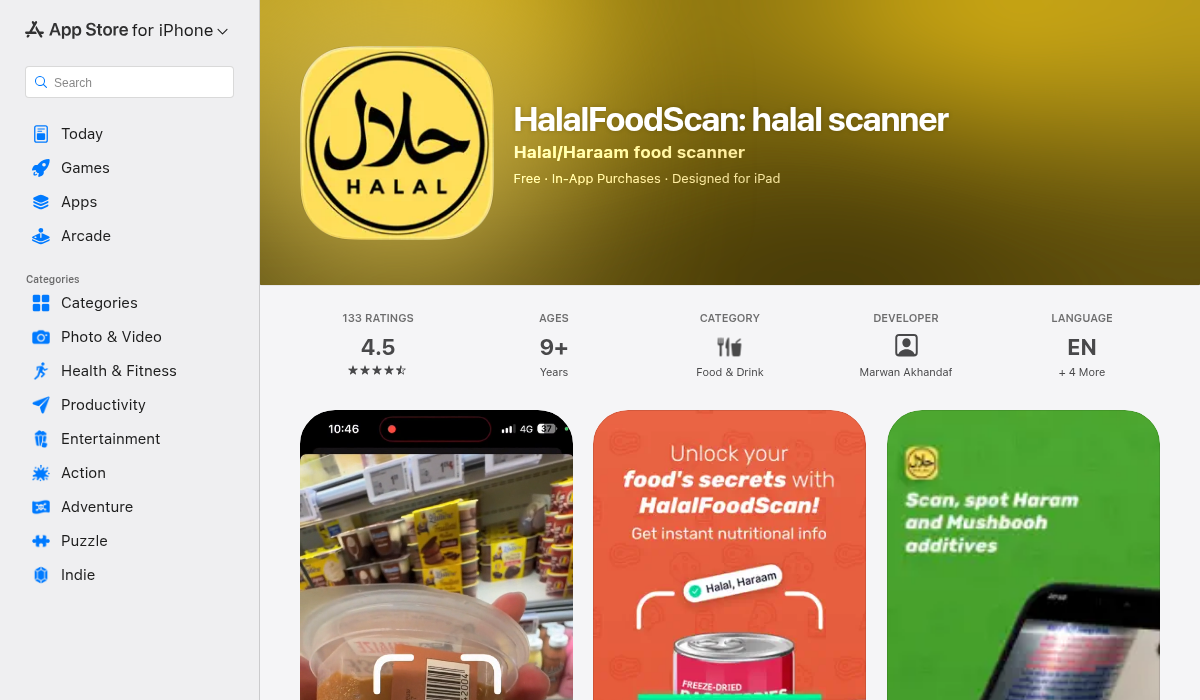
Apps like HalalFoodScan can instantly scan barcodes and analyze ingredients. The app identifies glycerin and other additives, showing whether they're halal, haram, or mushbooh (doubtful). For products not in the database, you can scan the ingredient list and the AI will analyze each component.
Related Ingredients to Watch
Glycerin often comes with related ingredients that may also require verification:
- Mono and Diglycerides (E471) — Same sources as glycerin; can be plant or animal
- Glycerides — Fatty acid compounds; check the source
- Stearic Acid — Often from animal fats
- Lecithin (E322) — Usually from soy (halal), but can be from eggs
What About Non-Food Products?
Glycerin in toothpaste, soap, and cosmetics follows similar rules, but scholars have provided some leniency:
The Islamic Medical Sciences Organization stated:
"Soap that is produced by the change of fat from pigs or dead meat becomes pure by means of this process and it is permissible to use it."— Islamic Medical Sciences Organization of Kuwait (1995)
However, for ointments, creams, and cosmetics, they noted these "are not permissible to use unless there is certainty that the fat has undergone a process of change (istihalah) and turned into a different substance."
The Bottom Line
Glycerin's halal status depends entirely on its source:
- Vegetable glycerin — Halal ✅
- Animal glycerin from halal-slaughtered animals — Halal ✅
- Animal glycerin from pork — Haram ❌
- Animal glycerin from non-halal slaughter — Haram ❌
- Unknown source — Treat as mushbooh (doubtful), avoid when possible
When the source isn't specified, the safest approach is to follow the Prophet's ﷺ guidance: "Leave that which makes you doubt for that which does not make you doubt."
For quick verification at the grocery store, scanning apps like HalalFoodScan can save time and provide peace of mind by instantly analyzing ingredients.
Note: For specific religious rulings (fatwa), always consult with qualified Islamic scholars or your local imam. This article provides general information based on recognized Islamic sources and scholarly opinions.