
Is Carmine Vegan? The Truth About Red Food Dye (E120)
That vibrant red color in your strawberry yogurt? It might come from crushed beetles. Carmine, also known as E120 or cochineal extract, is one of the most common "natural" red dyes in food — and it's completely off-limits for vegans.
If you've ever wondered why some red candies or drinks aren't vegan, or been surprised to find animal products lurking in foods that seem perfectly plant-based, you're not alone. Carmine is one of the sneakiest non-vegan ingredients out there, hiding in everything from yogurt to juice to makeup.
What Exactly Is Carmine?
Carmine is a bright red pigment extracted from the bodies of female cochineal insects (Dactylopius coccus), tiny scale insects native to South and Central America. To produce the dye, these insects are harvested, dried, and crushed into a fine powder. It takes approximately 70,000 insects to produce just one pound of carmine dye.
You'll find carmine listed on ingredient labels under various names:
- Carmine
- E120 (European food additive code)
- Cochineal extract
- Cochineal
- Natural Red 4
- Crimson Lake
- C.I. 75470
Because it's derived from insects, carmine is technically classified as a "natural" colorant — which is why it often appears in products marketed as "made with natural ingredients." But make no mistake: carmine is definitively not vegan.
"I had no idea carmine was made from insects. I've been vegetarian for years and just realized I've been eating crushed bugs in my 'natural' strawberry yogurt this whole time."— Reddit user in r/YouShouldKnow
Where You'll Find Carmine (It's Everywhere)
The tricky thing about carmine is how widespread it is. Here are common products that often contain E120:
Food Products
- Strawberry and raspberry yogurt
- Pink and red candies
- Fruit juices and smoothies
- Ice cream and frozen desserts
- Cake frosting and decorations
- Jams and preserves
- Some artificial crab and lobster meat
- Red velvet cake coloring
- Certain protein bars
Beverages
- Some fruit punches
- Energy drinks
- Certain alcoholic beverages
- Pink lemonades
Cosmetics
- Lipsticks and lip glosses
- Blush and rouge
- Eye shadows
- Nail polish
Why Companies Use Carmine Instead of Alternatives
You might wonder — with all the vegan-friendly red dyes available, why do companies still use crushed insects? There are a few reasons:
- Stability — Carmine is exceptionally stable and doesn't fade easily when exposed to light or heat
- Color intensity — It produces a deep, rich red that's hard to replicate
- "Natural" marketing — Unlike synthetic dyes like Red 40, carmine can be labeled as natural
- Regulatory acceptance — It's approved worldwide and has a long history of use
However, consumer demand is changing. As more people adopt vegan and plant-based lifestyles — and as awareness about carmine spreads — many companies are reformulating their products to use plant-based alternatives like beetroot extract, anthocyanins (from red cabbage), or lycopene (from tomatoes).
Vegan-Friendly Alternatives to Carmine
If a product needs red color without the bugs, manufacturers can use:
- Beetroot powder/extract — Natural, vibrant, and 100% vegan
- Anthocyanins — Purple/red pigments from berries, red cabbage, or grapes
- Lycopene — Extracted from tomatoes
- Paprika extract — Gives an orange-red hue
- Red 40 (Allura Red) — Synthetic but vegan (though some avoid it for other reasons)
How to Check If a Product Contains Carmine
Reading ingredient labels is essential, but it can be time-consuming — especially when you're standing in a grocery store aisle trying to decode E-numbers. Here's where technology helps.
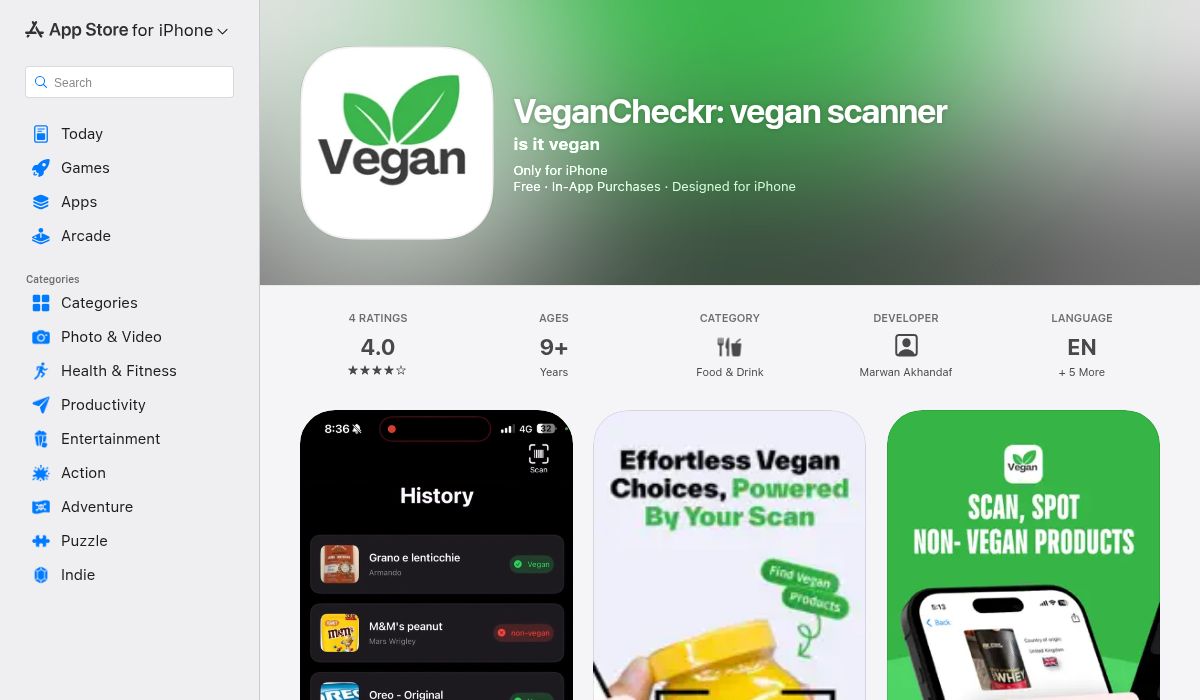
VeganCheckr is a free app that lets you scan product barcodes instantly to check if they're vegan. It flags ingredients like carmine (E120), gelatin, shellac, and dozens of other hidden animal-derived additives that even experienced vegans sometimes miss.
Key features that make checking for carmine easy:
- Barcode scanner — Instant results, no manual searching
- Ingredient lookup — Type any ingredient to check its status
- E-number decoder — Translates codes like E120 into plain language
- Supply chain transparency — Some ingredients can be animal OR plant-derived; the app shows you which
Other Surprising Non-Vegan Ingredients to Watch For
Carmine isn't the only hidden animal product lurking in everyday foods. Here are other common culprits:
- Gelatin — Made from animal bones and skin (found in marshmallows, gummy candies, some yogurts)
- Shellac (E904) — Beetle secretion used to make candies shiny
- Isinglass — Fish bladder used to clarify some wines and beers
- L-Cysteine (E920) — Often derived from duck feathers or human hair, used in bread
- Casein — Milk protein sometimes found in "non-dairy" products
- Vitamin D3 — Usually from lanolin (sheep wool) or fish
- Natural flavors — Could contain animal-derived ingredients
Is Carmine Safe to Eat?
From a health perspective, carmine is generally considered safe by food regulatory agencies worldwide. The FDA, EFSA, and other bodies have approved its use.
However, there are a few considerations:
- Allergic reactions — Some people are allergic to carmine and may experience hives, swelling, or even anaphylaxis in rare cases
- Ethical concerns — Beyond veganism, some people object to the harvesting of insects
- Religious considerations — Carmine isn't considered kosher or halal by many authorities
Pro Tips for Avoiding Carmine
- Look for "vegan" certified products — Certified vegan products won't contain E120
- Check both names — Scan for "carmine" AND "E120" — some labels use one, some use the other
- Be wary of "natural colors" — This generic term can include carmine
- Use a scanner app — Apps like VeganCheckr catch what you might miss
- When in doubt, contact the company — If ingredients aren't clear, reach out directly
The Bottom Line
Is carmine vegan? Absolutely not. Carmine (E120, cochineal extract) is made from crushed insects and is unsuitable for vegans, vegetarians, and anyone following kosher or halal dietary guidelines.
The good news is that awareness is growing, and more companies are switching to plant-based alternatives. In the meantime, checking labels — or better yet, scanning barcodes with an app — is the easiest way to avoid accidentally consuming beetle-derived ingredients.
The days of unknowingly eating bugs in your yogurt can officially be over.