
Is Cochineal Halal? Understanding Food Coloring and E120
That bright red color in your strawberry yogurt might be hiding a secret ingredient — crushed insects.
Cochineal, also known as carmine or E120, is one of the most widely used natural red dyes in the food industry. But for Muslims following halal dietary guidelines, this innocent-looking food coloring raises serious concerns. Is cochineal halal? The short answer from most Islamic scholars: no, it's considered haram. Let's dive deep into why, what the evidence says, and how you can avoid it.
What Exactly Is Cochineal (E120)?
Cochineal is a crimson dye extracted from the bodies of Dactylopius coccus, a scale insect native to South America that lives on prickly pear cacti. The production process involves harvesting female cochineal insects (approximately 70,000 insects are needed to produce just one pound of dye), drying them, and then crushing them to extract carminic acid — the compound responsible for the vivid red color.
You'll find cochineal listed on ingredient labels under various names:
- Carmine
- Cochineal extract
- E120
- Natural Red 4
- Crimson Lake
- Carmine Lake
The dye gained popularity as a "natural" alternative after artificial food colorings like Red 40 became associated with health concerns in the 1970s. Today, it's found everywhere — from your breakfast yogurt to your favorite lipstick.
The Islamic Ruling: Why Most Scholars Say It's Haram
The Quran provides clear guidance on prohibited foods. In Surah Al-A'raf (7:157), Allah describes the Prophet Muhammad ﷺ as one who "permits for them what is lawful and good (tayyibat) and forbids to them what is impure (khabaith)."
Islamic jurists have historically classified insects — particularly those without flowing blood — as khabith (impure or repugnant). According to the Hanafi school of thought, the most widely followed madhab globally, consuming insects is not permissible.
"Carmine is extracted from the cochineal insect... According to the majority of the jurists, the consumption of insects is not permitted."— Mawlana Ilyas Patel, SeekersGuidance
The scholars summarize the ruling on carmine as follows:
- ✅ The extracted color itself is considered pure after processing
- ✅ Its usage in external products (cosmetics, soaps) is permissible
- ❌ Its usage in food items is not permissible
This distinction is important — using carmine-based lipstick doesn't invalidate your wudu, but consuming it in food is a different matter.
Where You'll Find Cochineal (Foods to Watch)
Cochineal is surprisingly common in everyday foods. Here's where to check:
High-Risk Foods
- Yogurt — Especially strawberry, raspberry, and cherry flavors
- Ice cream — Red and pink varieties
- Candy — Gummy bears, jelly beans, red licorice
- Soft drinks — Some red and purple beverages
- Fruit juices — Enhanced red fruit drinks
- Bakery items — Red velvet cake, donuts, cupcake frosting
- Processed meats — Some sausages and deli meats
- Sauces — Ketchup, pasta sauce, some chutneys
- Cheese — Certain varieties of cheddar
Non-Food Products
- Lipsticks and lip glosses
- Eyeshadows and blushes
- Red and pink nail polish
- Shampoos and soaps
"A common red food dye, carminic acid, is made from the crushed bodies of a beetle called the cochineal bug. This acid is used in cherry, strawberry and raspberry flavored candy, yoghurt, ice cream, drinks and lipstick."— BBC News
Halal Alternatives to Cochineal
The good news? There are plenty of plant-based, halal-certified alternatives that manufacturers can use:
- Beetroot Extract (E162) — Deep red color from beets, widely used in organic products
- Lycopene — Derived from tomatoes, halal and kosher certified
- Paprika Extract — From red peppers, excellent for savory products
- Anthocyanins — Natural pigments from berries, grapes, and red cabbage
- Red Cabbage Extract — Plant-based alternative that's stable and versatile
- Cochineal Red A (E124) — A synthetic alternative (though some avoid artificial colors)
Many brands are already switching to these alternatives due to growing demand from vegan, vegetarian, and halal-conscious consumers.
How to Check Your Food for Cochineal
Reading ingredient labels is essential, but it can be time-consuming — especially when you're shopping with hungry kids. This is where technology comes in handy.
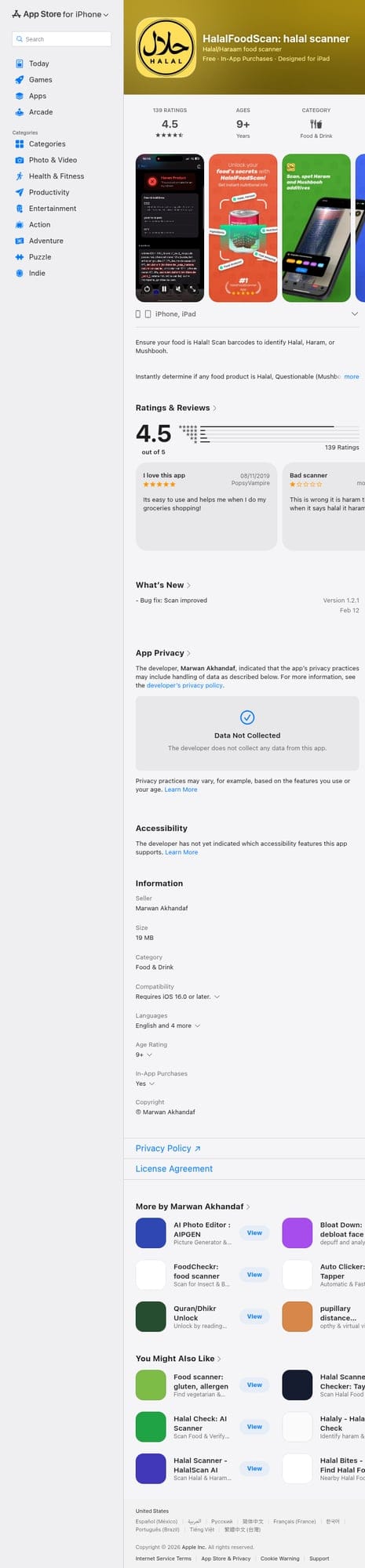
HalalFoodScan is designed specifically for this purpose. Simply scan a product's barcode, and the app instantly tells you if it's Halal, Haram, or Mushbooh (questionable). For products not in the database, you can scan the ingredient list — the AI will detect and analyze all additives, including E120.
Key features include:
- ✅ Barcode scanning — Instant halal status for millions of products
- ✅ Additive detection — AI-powered E-number identification
- ✅ Ingredient analysis — Full transparency on what's inside
- ✅ Prayer widget — Convenient prayer times included
Understanding the Scholarly Difference of Opinion
It's worth noting that Islamic scholars have some differences of opinion on this topic. While the majority view — particularly in the Hanafi school — holds that cochineal is haram for consumption, some scholars have explored whether the chemical transformation (istihalah) during processing might change the ruling.
The principle of istihalah holds that when a substance undergoes complete transformation, its ruling can change. This is why wine vinegar is halal — the alcohol has completely converted to acetic acid.
However, most major Islamic bodies, including the Committee on Standard Halal of the Republic of Tatarstan and various fatwa councils, maintain that carmine remains haram because:
- The insect origin is still present in the final product
- The transformation is not considered complete enough
- Ample halal alternatives exist, making it unnecessary
The Health Perspective
Beyond the halal question, some people have legitimate health concerns about cochineal. According to the FDA, carmine can cause severe allergic reactions in some individuals, including anaphylaxis. This led to mandatory labeling requirements in the United States starting in 2011.
If you've ever experienced unexplained allergic reactions after consuming red-colored foods, cochineal could be the culprit.
Practical Tips for Avoiding Cochineal
- Read labels carefully — Look for carmine, cochineal, E120, Natural Red 4
- Use a halal scanner app — HalalFoodScan can save you time and uncertainty
- Choose certified products — Look for halal certification logos from recognized bodies (JAKIM, MUI, ISNA, IFANCA)
- Opt for organic — Many organic brands avoid cochineal in favor of plant-based colors
- Check cosmetics too — While using carmine in cosmetics is permissible, some Muslims prefer to avoid it entirely
The Bottom Line
According to the majority of Islamic scholars, cochineal (carmine/E120) is haram for consumption due to its insect origin. The Quran guides Muslims to consume what is tayyib (pure and good) and avoid what is khabith (impure), and insects fall into the latter category under most schools of thought.
The good news is that awareness is growing, halal alternatives exist, and tools like HalalFoodScan make it easier than ever to check products before you buy. Whether you're shopping at a supermarket or dining out, staying informed is the first step to maintaining a halal diet.
Note: For specific religious rulings (fatwa), always consult with qualified Islamic scholars or your local imam. This article provides general information based on recognized Islamic sources and scholarly opinions.