Is Lecithin (E322) Halal? What Muslims Should Know
You're scanning a chocolate bar, and there it is: E322 (Lecithin). Is it halal? Can you eat it? This single food additive appears in thousands of products — from chocolate and baked goods to margarine and infant formula. For Muslims trying to eat halal, understanding lecithin's status is essential.
The short answer: Most lecithin (E322) is halal, but it depends entirely on the source. In this guide, we'll break down exactly when lecithin is permissible, when it becomes questionable (mushbooh), and how to quickly verify any product using modern tools.
What Exactly is Lecithin (E322)?
Lecithin is a mixture of phospholipids — natural compounds found in all living cells. In the food industry, it's primarily used as an emulsifier, helping oil and water mix together smoothly. This is why you'll find it in products like:
- Chocolate and confectionery
- Margarine and spreads
- Baked goods (bread, cookies, cakes)
- Salad dressings and sauces
- Infant formula
- Protein powders and supplements
Beyond food, lecithin has beneficial health properties — it supports brain function, liver health, and cholesterol management. But for Muslims, the key question isn't what it does — it's where it comes from.
The Four Sources of Lecithin
Lecithin can be extracted from several sources, and this is where halal considerations become critical:
1. Soy Lecithin — Generally Halal ✅
The vast majority of commercial lecithin — roughly 95% or more — is derived from soybeans. Soy lecithin is plant-based and considered halal by virtually all Islamic authorities, including JAKIM (Malaysia), MUI (Indonesia), and IFANCA (USA).
As Grand Ayatollah Sistani notes in his halal guidelines: "Lecithin (E322) is made from egg yolk but on a commercial basis it is made from soybeans and is therefore halal."
2. Sunflower Lecithin — Halal ✅
Growing in popularity as a soy-free alternative, sunflower lecithin is extracted from sunflower seeds. It's entirely plant-based and halal without any concerns. Many premium chocolate brands now use sunflower lecithin specifically to avoid GMO soy.
3. Egg Lecithin — Halal With Conditions ⚠️
Lecithin extracted from egg yolks can be halal, but it requires verification. The eggs themselves are halal, but questions arise about:
- Processing methods (any alcohol-based solvents?)
- Cross-contamination during manufacturing
- Whether the production facility also handles haram substances
For egg-derived lecithin, look for halal certification to be certain.
4. Animal Fat Lecithin — Often Haram ❌
Lecithin can theoretically be derived from animal fats, including pork. If the source is porcine, it is absolutely haram (forbidden). If from beef or other animals, it would only be halal if the animal was slaughtered according to Islamic law (dhabiha).
"If the animal is halal and slaughtered according to Islamic law, the emulsifier is halal. However, if the animal is haram or not slaughtered according to Islamic dietary guidelines, the emulsifier is not halal."— American Halal Foundation (AHF)
What Islamic Scholars Say About E322
The halal status of lecithin ties back to fundamental Quranic principles about food:
"O mankind, eat from whatever is on earth [that is] lawful and good and do not follow the footsteps of Satan."— Quran, Surah Al-Baqarah 2:168
Since most commercial lecithin is soy-derived (a plant), it falls under "lawful and good" (halal tayyib). The key scholarly positions are:
- JAKIM (Malaysia): Soy lecithin is halal
- MUI (Indonesia): Plant-based lecithin is halal
- ISNA (North America): E322 from plant sources is permissible
- Mustakshif Shariah Board: Classifies E322 as "Mushbooh" (doubtful) because source can vary — recommends checking
The scholarly consensus is clear: plant-derived lecithin is halal, but when the source is unspecified, verification is recommended.
How to Check if a Product's Lecithin is Halal
Here's the practical challenge: most product labels simply say "Lecithin" or "E322" without specifying the source. Here's how to verify:
Method 1: Look for "Soy Lecithin" or "Sunflower Lecithin"
Many products now specify "Soy Lecithin" or "Sunflower Lecithin" on the label. This is your green light — these are halal. If you see this specific wording, you're good to go.
Method 2: Check for Halal Certification
Products with certification from recognized halal bodies (JAKIM, IFANCA, HMC, MUI) have been verified. The lecithin source has been checked as part of the certification process.
Method 3: Use a Halal Scanner App
Modern technology makes halal verification much simpler. Apps like HalalFoodScan let you scan a product's barcode and instantly see whether its ingredients — including E322 — are halal, haram, or mushbooh.
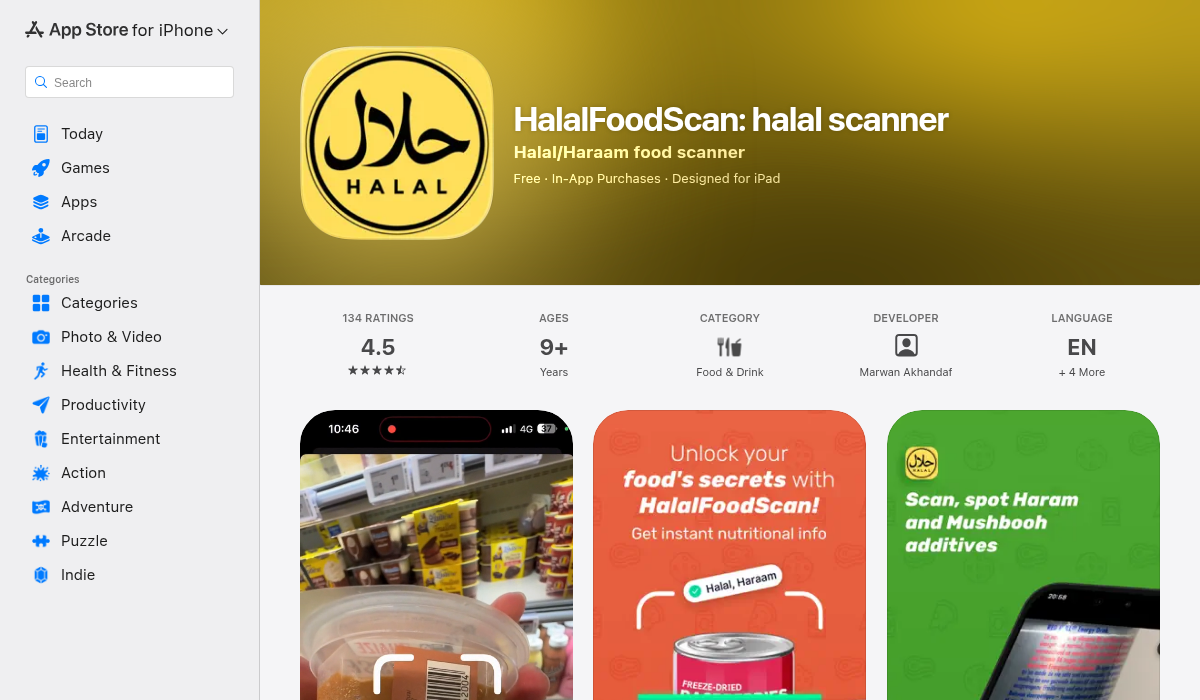
What makes HalalFoodScan particularly useful:
- ✅ Barcode scanning with instant halal/haram/mushbooh status
- ✅ Full ingredient analysis with E-number breakdowns
- ✅ Additive detection when you scan the ingredients list directly
- ✅ Special vinegar detection for alcohol-related questions
- ✅ Works with millions of products in the database
Method 4: Contact the Manufacturer
If you can't determine the source through labels or apps, contact the manufacturer directly. Ask: "Is the lecithin in this product derived from soy, sunflower, eggs, or animal fat?"
Common Products With E322 — Quick Halal Check
Here's a quick reference for products that commonly contain lecithin:
Usually Halal (Soy/Sunflower Lecithin)
- Most mainstream chocolate brands (Cadbury, Lindt, Milka)
- Commercial bread and bakery products
- Margarine and plant-based spreads
- Infant formula (typically soy-based)
- Protein powders and supplements
Requires Verification
- Artisanal/premium chocolates (may use egg lecithin)
- Specialty baked goods
- Products from non-halal certified facilities
- Imported products without clear labeling
E322 vs Other Mushbooh E-Numbers
While E322 is usually halal, other E-numbers require more caution. Here's how lecithin compares:
E471 (Mono and Diglycerides) is the one to watch carefully — unlike lecithin, this additive is frequently derived from pork fat and requires halal certification.
What About GMO Concerns?
Some Muslims also consider GMO status when evaluating halal foods. Most soy lecithin comes from GMO soybeans. While GMO foods are not haram according to major Islamic bodies, some prefer to avoid them.
If GMO is a concern, look for:
- Sunflower lecithin (typically non-GMO)
- Products labeled "Non-GMO" or "Organic"
- European products (stricter GMO regulations)
Pro Tips for Muslim Shoppers
- Default assumption for E322 is halal — Unless you have reason to believe otherwise, commercially-produced lecithin is almost always soy-based
- Scan before you buy — Apps like HalalFoodScan take 2 seconds and give you peace of mind
- "Soy Lecithin" is your friend — When labels specify soy, you know it's plant-based
- Halal certification covers everything — Certified products have had all E-numbers verified
- When in doubt, avoid — If you can't verify and it concerns you, choose an alternative product
The Bottom Line
Lecithin (E322) is one of the most halal-friendly food additives you'll encounter. The overwhelming majority is derived from soybeans or sunflowers — both completely permissible. The only time you need to verify is when:
- The source isn't specified and you're concerned
- The product comes from an unfamiliar brand or region
- You want 100% certainty for religious observance
Modern tools make verification easy. A quick barcode scan with HalalFoodScan can instantly tell you whether a product's lecithin — and all other ingredients — meet halal standards.
Note: For specific religious rulings (fatwa), always consult with qualified Islamic scholars or your local imam. This article provides general information based on recognized Islamic sources and halal certification body guidelines.