
Is Sugar Vegan? The Bone Char Truth
Sugar comes from plants, so it must be vegan—right? Not so fast. The truth behind refined white sugar involves something most people have never heard of: bone char filtration. Yes, cow bones might be involved in making that pristine white sugar in your pantry.
If you're vegan and just learning about this, take a breath. The situation isn't as dire as it sounds, and there are easy ways to navigate it. Let's break down exactly what bone char is, which sugars use it, and how to make choices that align with your values.
What Is Bone Char and Why Is It Used?
Bone char, sometimes called "natural carbon," is made from the bones of cattle. These bones are heated to extremely high temperatures until they become a porous, charcoal-like material. Sugar manufacturers then use this material as a decolorizing filter—it's what removes the natural brown color from sugarcane juice to produce that bright white sugar we're used to seeing.
Here's the uncomfortable reality: according to the Vegetarian Resource Group, approximately 7,800 cows' worth of bones are needed for a single commercial sugar filter. The bones typically come from cattle in Afghanistan, Argentina, India, and Pakistan, and are then traded globally to sugar refineries.
The bone char doesn't end up in the sugar—it's just part of the filtration process. But for vegans who define their lifestyle as avoiding animal products and exploitation at every stage, this is a legitimate concern.
Which Sugars Use Bone Char?
Not all sugar is filtered through bone char. Here's a breakdown:
Sugars That May Use Bone Char
- Refined white cane sugar — The most common culprit. If it doesn't specify the filtration method, assume it might use bone char.
- Some brown sugars — Many commercial brown sugars are just refined white sugar with molasses added back. If the base white sugar used bone char, so did the brown.
- Confectioner's/Powdered sugar — Made from refined white sugar mixed with cornstarch.
Sugars That NEVER Use Bone Char
- Beet sugar — Sugar beets are much easier to process than cane, so bone char is never needed. This is a completely vegan-safe choice.
- Organic cane sugar — USDA organic certification prohibits bone char filtration. If it says "organic," you're good.
- Raw/Turbinado sugar — Skips the filtration step entirely, keeping its natural brown color.
- Demerara and muscovado sugar — Minimally processed, no bone char involved.
- Coconut sugar — Made from coconut palm sap, completely different process.
- Date sugar — Ground dried dates, not refined at all.
"The best you could do is if a product has organic cane sugar, beet sugar, or any kind of sugar or sweetener that it specifies is not filtered through bone char."— Reddit user in r/vegan
The Bigger Picture: Is Sugar Actually Vegan?
Here's where things get nuanced. Let's consider two perspectives:
The Strict View
If you believe veganism means avoiding animal products at every stage of production, then conventionally refined white sugar is problematic. Even though no animal products end up in the final sugar, animal bones were used in its creation.
The Practical View
The Vegan Society and most mainstream vegan organizations take a more practical stance: since no animal products are in the final product, sugar is technically vegan. The bone char is a processing aid, not an ingredient.
Consider this: many vegetables are grown in soil fertilized with manure or bone meal. Does that make vegetables non-vegan? Most would say no. The same logic can apply to sugar.
"Being vegan is about doing your best to avoid harm. That doesn't mean being perfect. Sometimes that means choosing the most ethical option when it's available—and other times, it means going easy on yourself when it's not."— World of Vegan
The Hidden Sugar Problem
Even if you switch to organic sugar at home, sugar is everywhere in processed foods. Cookies, sauces, bread, cereals, condiments—the list is endless. And food labels don't tell you what kind of sugar was used or how it was filtered.
This is where trying to be 100% "pure" becomes impractical for most people. Unless you're making everything from scratch and sourcing every ingredient, some conventionally processed sugar will inevitably make its way into your diet.
How to Make Informed Choices
If the bone char issue matters to you, here are practical steps you can take:
- Buy organic sugar for home use — Easy swap that eliminates the bone char question for your own cooking and baking.
- Choose beet sugar when available — Some brands specify "beet sugar" on the label. It's inherently vegan.
- Look for vegan-certified products — Products with vegan certification have been verified at every stage.
- Try alternative sweeteners — Maple syrup, agave nectar, coconut sugar, and date syrup are all naturally vegan.
- Don't stress over every gram — Do what you can control, and don't beat yourself up over sugar in processed foods.
Using Technology to Check Ingredients
For vegans trying to navigate the complex world of food ingredients, a dedicated scanner app can be invaluable. Rather than researching every product manually, you can get instant answers about whether something contains animal-derived ingredients.
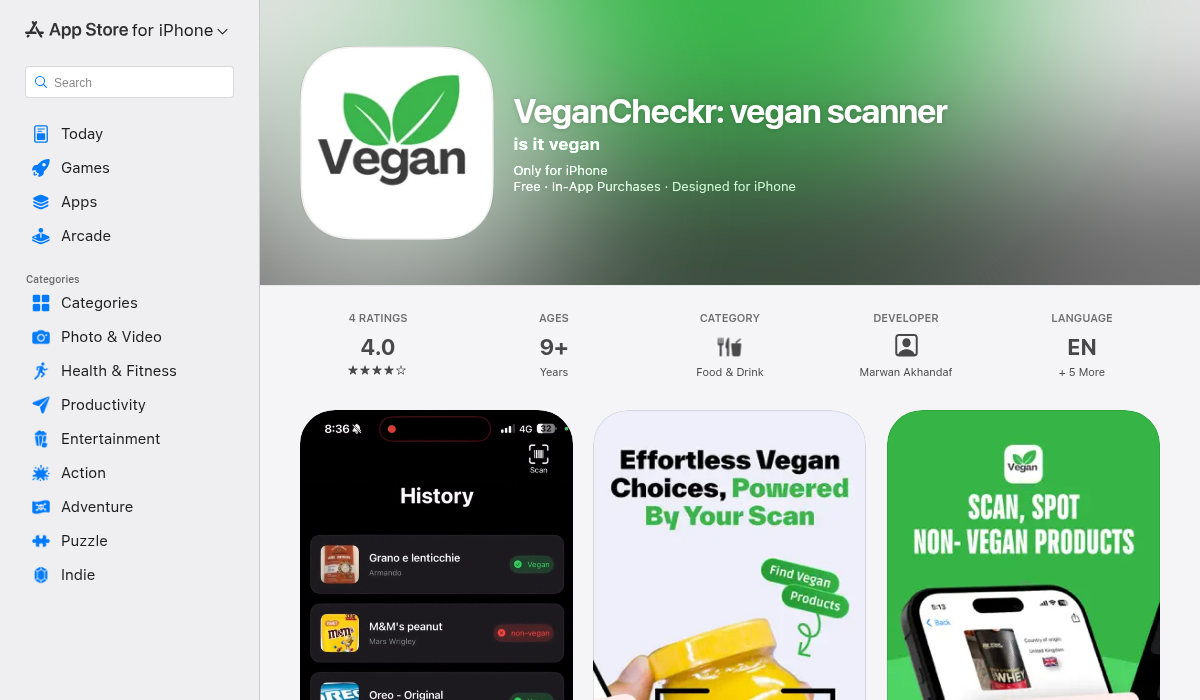
VeganCheckr is designed specifically for this purpose. The app helps you:
- ✅ Scan barcodes — Instantly check if products are vegan, may contain animal products, or are definitely not vegan
- ✅ Look up any ingredient — Type in an ingredient name to check its vegan status
- ✅ Identify hidden non-vegan ingredients — Flags things like gelatin, carmine, casein, and other animal-derived additives
- ✅ Find vegan restaurants — Built-in map feature to locate vegan-friendly spots nearby
- ✅ Compare products — Evaluate options side-by-side when shopping
While sugar specifically is a gray area, the app excels at catching the many other hidden animal ingredients that can lurk in processed foods—like whey in chips, isinglass in drinks, or carmine in red-colored snacks.
Other Hidden Non-Vegan Ingredients to Watch For
While you're thinking about sugar, here are other surprisingly non-vegan ingredients that commonly hide in everyday foods:
Definitely Animal-Derived
- Gelatin — Made from animal bones and skin. Found in gummies, marshmallows, some yogurts.
- Carmine (E120) — Red dye made from crushed beetles. In candy, drinks, cosmetics.
- Casein & Whey — Milk proteins. Hidden in "non-dairy" creamers, some chips, baked goods.
- Isinglass — Fish bladder used to clarify some wines and beers.
- Shellac (E904) — Beetle secretion used as a shiny coating on candy and apples.
- L-Cysteine (E920) — Often derived from duck feathers or human hair. Found in some bread.
Often Animal-Derived (Check Source)
- Vitamin D3 — Usually from sheep wool lanolin or fish
- Omega-3 — Often from fish oil
- Glycerin (E422) — Can be from animal fat
- Mono and diglycerides (E471) — Can be from animal or plant sources
- Natural flavors — Could include animal-derived components
Surprising Products That Might Not Be Vegan
Beyond sugar, here are some foods that catch vegans off guard:
- Some wines and beers — Filtered with isinglass (fish) or egg whites
- Orange juice — Some brands add omega-3 from fish oil
- Red candy and drinks — Often colored with carmine (beetles)
- Some chips — May contain whey or cheese powder
- Commercial bread — L-cysteine and mono/diglycerides
- Shiny candy coatings — Shellac or beeswax
This is exactly why having a scanner app on your phone can save you time and anxiety at the grocery store.
A Balanced Perspective on Vegan Purity
It's worth stepping back and considering what veganism is really about. The goal isn't perfection—it's reducing harm as much as practically possible.
Consider these realities:
- Some medications contain gelatin capsules, and refusing them isn't always practical
- Tires contain stearic acid that may be animal-derived
- Many plastics contain animal fats as slip agents
- Agricultural practices often involve animal products in fertilizers
The point isn't to throw up your hands and give up. It's to recognize that doing your best is enough. Every plant-based meal you eat, every animal product you avoid when possible—it all makes a difference.
"We may not be able to control everything, but every kind choice matters. So be patient with yourself, and keep moving forward."— World of Vegan
Vegan-Friendly Sweetener Options
If you want to avoid the bone char question entirely, here are delicious alternatives:
- Maple syrup — Rich flavor, perfect for baking and pancakes
- Agave nectar — Mild sweetness, dissolves easily in cold drinks
- Coconut sugar — Lower glycemic index, caramel-like flavor
- Date syrup — Nutrient-rich, great in smoothies and dressings
- Brown rice syrup — Subtle sweetness, good for baking
- Molasses — Strong flavor, contains minerals
- Organic cane sugar — Direct substitute for regular sugar, guaranteed bone-char free
The Bottom Line
Is sugar vegan? Technically, yes—the final product contains no animal ingredients. However, some refined white sugar is processed using bone char from cattle bones, which matters to vegans who consider the entire production process.
The practical approach:
- At home — Use organic cane sugar, beet sugar, or alternative sweeteners
- When shopping — Use a scanner app like VeganCheckr to check products for hidden animal ingredients
- In processed foods — Do your best, but don't stress over every gram of sugar in every product
- Overall — Focus on the big picture. Avoiding meat, dairy, and eggs has far more impact than worrying about sugar filtration methods.
Being vegan is about compassion—including compassion for yourself. Make the choices you can, use tools that help you make informed decisions, and remember that progress matters more than perfection.