Is Vanilla Extract Halal? The Truth About Alcohol in Vanilla
Walk into any Muslim household that bakes, and you'll likely find this debate happening at some point: is vanilla extract halal? It's one of the most common questions in halal food circles, and for good reason — vanilla extract contains alcohol, often at concentrations of 35% or higher.
The short answer? Most scholars consider it permissible, but there's nuance. Let's break down the evidence, look at what major Islamic bodies say, and give you practical guidance for your kitchen.
Why Vanilla Extract Contains Alcohol
First, let's understand what we're dealing with. Pure vanilla extract is made by soaking vanilla beans in a solution of ethyl alcohol (ethanol) and water. The alcohol serves as a solvent to pull out the vanillin and other flavor compounds from the beans.
By FDA standards in the United States, vanilla extract must contain a minimum of 35% alcohol. That sounds alarming — it's higher than most wines. So why do scholars permit it?
"There are differences of opinion. Some scholars say that it doesn't fall under the category of khamr (intoxicant), others say it does. There are non-alcoholic ones in the market."— Reddit user in r/islam
The Islamic Ruling: What Scholars Say
The Majority View: Permissible (Halal)
According to IslamQA, one of the most respected online fatwa resources:
"The alcohol does not have any effect on vanilla; the one who consumes it does not become intoxicated and no effect of alcohol is seen when eating it. Rather whatever may become attached to the seeds during preparation disappears and leaves no trace."— IslamQA
This ruling is based on several key principles:
- Purpose is not intoxication — Vanilla extract is used purely for flavoring, not to get drunk
- Amount used is tiny — Recipes typically call for 1-2 teaspoons, diluted in a much larger mixture
- Alcohol evaporates during cooking — Baking at high temperatures causes much of the alcohol to dissipate
- Transformation (Istihalah) — The chemical transformation during cooking changes the nature of the substance
Evidence from Hadith
The Prophet Muhammad ﷺ provided guidance that helps scholars analyze this question:
"What intoxicates in large quantities, a small quantity of it is also prohibited."— Jami at-Tirmidhi 1726
This hadith is often cited by those who argue vanilla extract is haram. However, the majority of scholars interpret this specifically about beverages consumed for pleasure or intoxication — not trace amounts of alcohol in food ingredients that serve a different purpose entirely.
Major Islamic Bodies' Positions
According to Al Maher Ul Quran:
"The majority of scholars and Islamic organizations, including IFANCA and HFA, consider vanilla extract to be halal as long as the alcohol content is below 0.5%."
Key organizations and their general positions:
- IFANCA (Islamic Food and Nutrition Council of America) — Generally permits vanilla extract in foods
- JAKIM (Malaysia) — Permits when used as flavoring in small amounts
- European Council for Fatwa and Research — Permits based on istihalah (transformation) principle
The Stricter View: Avoid When Possible
Some scholars maintain a stricter position, arguing that any alcohol content makes a product questionable. This view holds that:
- The origin of the alcohol matters (it comes from fermentation)
- 35% alcohol concentration is significant
- Non-alcoholic alternatives exist, so why not use them?
This is a valid scholarly opinion that some Muslims choose to follow out of extra caution (wara').
Practical Solutions for Your Kitchen
Option 1: Use Vanilla Extract (Majority Ruling)
If you follow the majority scholarly opinion, regular vanilla extract is fine in baking and cooking. The tiny amounts used and the cooking process address the concerns.
Option 2: Alcohol-Free Alternatives
For those who prefer extra caution, several halal alternatives exist:
- Vanilla powder — Ground vanilla beans, no alcohol involved
- Vanilla paste — Look for alcohol-free versions
- Vanilla beans — Scrape the seeds directly into your recipe
- Glycerin-based extract — Uses vegetable glycerin instead of alcohol
- Imitation vanilla — Synthetic vanillin, typically alcohol-free (check labels)
Option 3: Use a Halal Scanner App
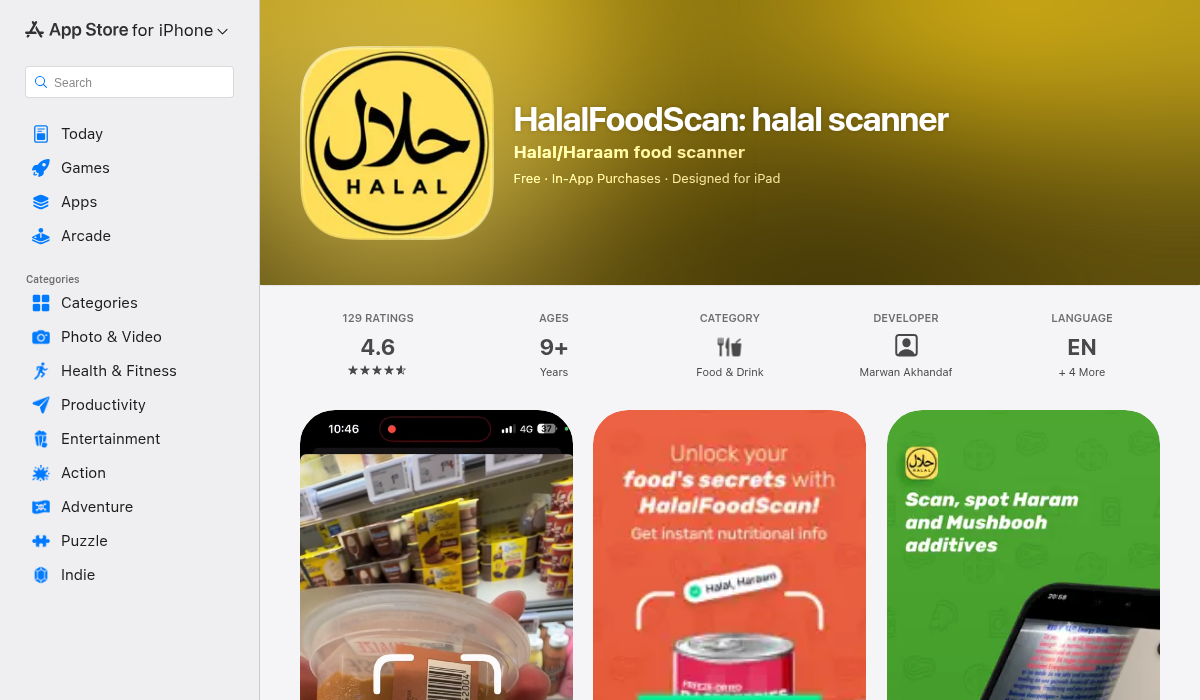
When shopping, HalalFoodScan can help you quickly check products. Scan the barcode to see the halal status and get detailed ingredient insights. The app analyzes additives and flags any questionable ingredients, taking the guesswork out of grocery shopping.
What About Other Products Containing Vanilla?
The same principles apply to:
- Store-bought cakes and cookies — Usually fine if vanilla extract is just a flavoring
- Ice cream — Same ruling applies
- Yogurt — Vanilla flavoring is typically permitted
- Beverages — Here, be more careful — the alcohol isn't cooked off
The Bottom Line
The majority of Islamic scholars and halal certification bodies consider vanilla extract permissible (halal) when used as a flavoring ingredient, especially in baked goods where the alcohol evaporates during cooking. The key factors are:
- It's not consumed for intoxication
- The amounts used are tiny
- Cooking transforms and evaporates the alcohol
- The final product cannot intoxicate
However, if you prefer the stricter opinion or want to be extra cautious, alcohol-free alternatives are readily available and work just as well in most recipes.
For everyday grocery shopping, apps like HalalFoodScan make it easy to scan products and check their halal status on the spot — including vanilla-containing items.
Note: For specific religious rulings (fatwa), always consult with qualified Islamic scholars or your local imam. This article provides general information based on recognized Islamic sources and scholarly opinions.