
Is Vinegar Halal? Islamic Ruling Explained
You're standing in the grocery aisle, holding a bottle of balsamic vinegar, and suddenly you freeze — wait, isn't this made from wine?
This moment of confusion happens to millions of Muslims every day. Vinegar is everywhere — in salad dressings, condiments, marinades, and countless packaged foods. Yet the question persists: is vinegar halal? The answer might surprise you, and it comes directly from the Prophet Muhammad ﷺ himself.
Why Do Muslims Question Whether Vinegar Is Halal?
The confusion stems from one simple fact: most vinegar, including apple cider vinegar, balsamic vinegar, and white wine vinegar, begins its life as alcohol. Wine vinegar is literally made from wine. Red wine vinegar, white wine vinegar, champagne vinegar — they all start with alcoholic beverages.
This creates an understandable concern. Alcohol (khamr) is explicitly prohibited in Islam:
"O you who have believed, indeed, intoxicants, gambling, stone altars, and divining arrows are but defilement from the work of Satan, so avoid it that you may be successful."— Quran, Surah Al-Ma'idah (5:90)
So if vinegar comes from wine, and wine is haram, how can vinegar be halal? This is where the beautiful Islamic principle of transformation comes in.
The Prophetic Evidence: "What an Excellent Condiment!"
The Prophet Muhammad ﷺ didn't just permit vinegar — he praised it. In authentic hadith, we find clear evidence of his approval:
"What an excellent condiment vinegar is."— Prophet Muhammad ﷺ (Sahih Muslim 2052)
This hadith is reported by Jabir ibn Abdullah (may Allah be pleased with him), who narrated that the Prophet ﷺ asked his family for condiment, and they said they had nothing but vinegar. He called for it and began eating with it, saying the words above.
In another narration from Sahih Bukhari (5205), Aisha (may Allah be pleased with her) reported that the Prophet ﷺ used to eat bread with vinegar and would say it was the condiment of the Prophets before him.
The vinegar available during the Prophet's ﷺ time was made the same way it's made today — through the fermentation of alcoholic liquids. Yet he not only consumed it but encouraged its use.
Understanding Istihalah: The Transformation Principle
Islamic jurisprudence (fiqh) recognizes a principle called istihalah — complete transformation of a substance from one nature to another. When this transformation occurs, the ruling on the substance changes accordingly.
Here's what happens when wine becomes vinegar:
- Chemical Transformation — The ethanol (alcohol) in wine is converted by bacteria into acetic acid
- Complete Change — The resulting substance has entirely different properties, smell, taste, and effects
- No Intoxication — Vinegar cannot intoxicate, which was the reason alcohol was prohibited in the first place
This isn't a loophole or a technicality — it's fundamental Islamic jurisprudence recognized by all four major schools of thought (madhabs).
What the Scholars Say: Consensus and Nuance
On the core question of whether vinegar is halal, there is scholarly consensus (ijma): vinegar that has naturally transformed from alcohol is permissible.
"All schools of thought agree that alcohol that turns into vinegar naturally is halal. The difference in opinion comes over turning alcohol to vinegar manually."— r/islam community discussion
However, scholars do have some differences on specific scenarios:
When Vinegar Transforms Naturally
Ruling: Halal by consensus of all scholars
When wine is left alone and naturally turns to vinegar through bacterial action, all four madhabs agree it is pure (tahir) and permissible (halal) to consume.
When Vinegar Is Deliberately Made from Wine
This is where scholarly opinion varies:
- Hanafi School — Permits deliberate conversion; the resulting vinegar is halal
- Maliki School — Permits deliberate conversion with some conditions
- Shafi'i School — Some scholars discourage deliberate conversion but consider the result halal
- Hanbali School — More strict views on deliberate conversion, though the final product is generally considered halal
The practical reality is that most commercial vinegar available today has been deliberately manufactured, and the overwhelming majority of contemporary scholars consider it halal because the transformation is complete.
Different Types of Vinegar: A Complete Guide
White Wine Vinegar — Halal
Despite its name, white wine vinegar contains no alcohol. The wine has completely transformed into acetic acid. It's commonly used in salad dressings and light sauces.
Red Wine Vinegar — Halal
Same principle applies. The red wine has undergone complete transformation. Popular in Mediterranean cuisine and marinades.
Balsamic Vinegar — Halal
Made from grape must, balsamic vinegar goes through similar fermentation processes. Traditional balsamic from Modena is aged for years, ensuring complete transformation.
Apple Cider Vinegar — Halal
Made from fermented apple juice, this popular health vinegar is halal. The apple cider first becomes alcoholic, then transforms into vinegar.
Rice Vinegar — Halal
Common in Asian cuisine, made from fermented rice. The same transformation principle applies.
Malt Vinegar — Halal
Made from malted barley, popular with fish and chips. The alcohol content is fully converted to acetic acid.
What About "Cooking Wine" vs. Wine Vinegar?
This is an important distinction that causes confusion:
Wine Vinegar = Halal — Complete transformation has occurred. No alcohol remains.
Cooking Wine = Not Halal — This is actual wine with some salt added. It still contains significant alcohol content. The brief cooking time in most recipes doesn't fully remove the alcohol.
When reading ingredient labels, "wine vinegar" or "vinegar from wine" is halal. But "wine" or "cooking wine" as an ingredient means actual alcohol was used.
How to Check Products for Vinegar Status
Reading every ingredient label can be exhausting, especially when you're trying to figure out which type of vinegar was used and whether other questionable additives are present.
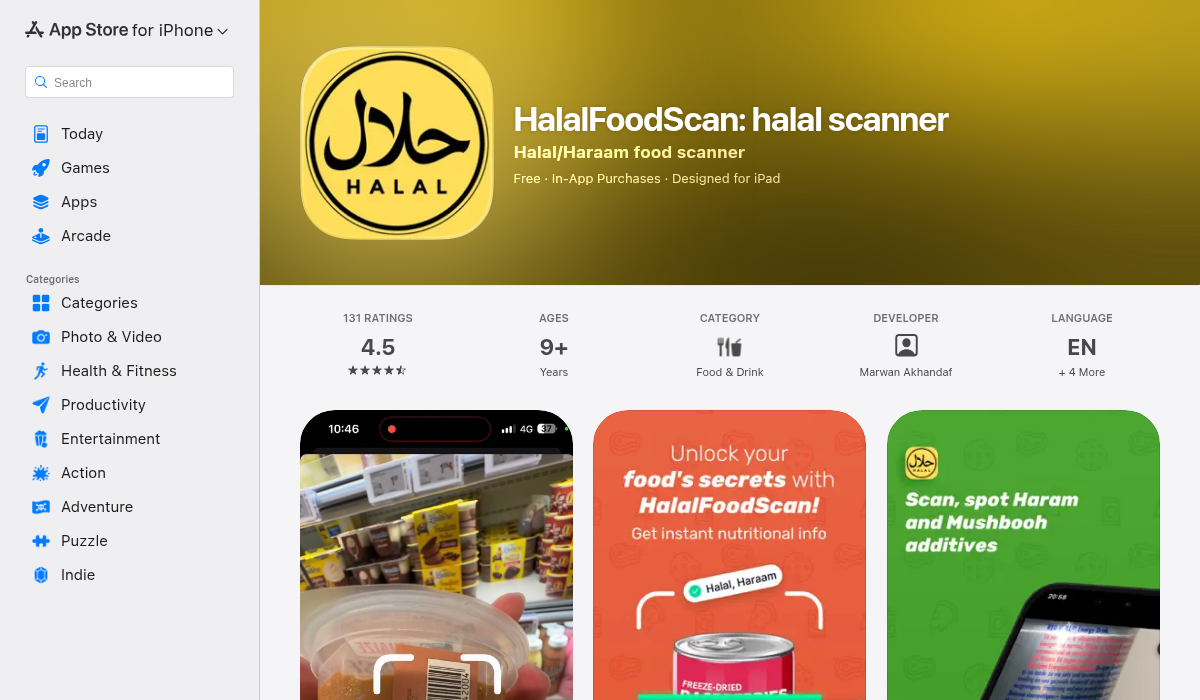
HalalFoodScan makes this process instant. Simply scan the barcode of any food product and get an immediate halal, haram, or mushbooh (doubtful) classification. The app specifically handles vinegar-related products and can identify whether the vinegar used is from a permissible source.
The app analyzes millions of products and their ingredients, taking the guesswork out of grocery shopping. It's especially useful when dealing with products that contain multiple types of vinegar or vinegar-based additives.
Common Questions Answered
Does vinegar contain alcohol?
Commercial vinegar typically contains less than 0.5% residual alcohol, which is negligible and non-intoxicating. This trace amount is similar to what's naturally present in ripe fruits and bread. Scholars don't consider this problematic.
Is spirit vinegar halal?
Yes. Spirit vinegar is made from distilled alcohol that has been converted to vinegar. The same transformation principle applies — the alcohol has completely changed into acetic acid.
What if I accidentally consumed something with wine (not vinegar)?
If you consumed it unknowingly, there is no sin upon you. Allah does not burden a soul beyond what it can bear. Moving forward, try to be more careful with ingredient labels or use apps like HalalFoodScan to verify products before purchase.
Is the vinegar used in fast food halal?
The vinegar itself (in pickles, sauces, dressings) is halal. However, the meat or other ingredients might not be. Always check the full ingredient list or verify with the restaurant.
The Bottom Line
Vinegar is halal — this is established by the Prophet's ﷺ own words and actions, and confirmed by scholarly consensus across all madhabs. The transformation (istihalah) from alcohol to vinegar is complete and changes the ruling on the substance.
Whether it's balsamic drizzled on your caprese salad, apple cider vinegar in your morning health drink, or white wine vinegar in your homemade dressing — you can consume it with confidence.
The only thing to watch out for is actual cooking wine or alcohol listed as separate ingredients, which haven't undergone the same transformation.
Note: For specific religious rulings (fatwa), always consult with qualified Islamic scholars or your local imam. This article provides general information based on recognized Islamic sources including Sahih Muslim, Sahih Bukhari, and the positions of the four major madhabs.
If you want to take the guesswork out of halal eating, HalalFoodScan is available for iOS and can instantly verify whether any packaged food product meets halal requirements — including checking for hidden alcohol-based ingredients that haven't undergone proper transformation.