
L-Cysteine (E920): What You Need to Know
That soft, fluffy bread you love might contain an ingredient you'd rather not think about.
L-Cysteine, listed as E920 on European labels, is a common dough conditioner found in commercial bread, pizza dough, and baked goods. What many people don't know is where it traditionally comes from — and for those following halal, kosher, or vegan diets, this matters a lot.
What Is L-Cysteine (E920)?
L-Cysteine is an amino acid that acts as a dough conditioner. When added to bread dough, it softens the gluten, making the dough easier to work with and giving the final product that stretchy, soft texture we associate with commercial bread.
You'll find it in:
- Commercial bread and bagels
- Pizza dough (especially fast food chains)
- Croissants and pastries
- Flour tortillas
- Some crackers and cookies
The problem isn't what L-Cysteine does — it's how it's made.
The Source Problem: Hair, Feathers, and Bristles
Traditionally, L-Cysteine is extracted from keratin — a protein found in hair and feathers. The most common sources have been:
- Human hair — Collected from barbershops and salons, primarily in China. This source is now banned in the European Union (since April 2011) but may still be used elsewhere.
- Duck and chicken feathers — Currently the most common animal source
- Pig bristles (hog hair) — Used in some manufacturing
As the BBC reported: "Traditionally L-Cysteine is produced from feathers, pig bristles and sometimes even human hair."
The extraction process uses strong chemicals like hydrochloric acid to break down the keratin and isolate the amino acid. The final product is a white powder that goes into your bread.
Why This Matters for Your Diet
For Muslims
L-Cysteine derived from pig bristles is clearly haram (forbidden). Duck and chicken feathers present a gray area — if the birds weren't slaughtered according to Islamic guidelines, some scholars consider the derivative mushbooh (questionable).
According to halal certification experts:
"If L-Cysteine is produced synthetically (using biochemical processes or fermentation methods), it is considered halal since it is not derived from any animal or impure source."— Mustakshif Halal Blog
The challenge is that most product labels simply say "L-Cysteine" or "E920" without specifying the source. You can't tell by looking whether it came from pig bristles or fermentation tanks.
Note: For specific religious rulings (fatwa), always consult with qualified Islamic scholars or your local imam. This article provides general information based on recognized Islamic sources.
For Vegans and Vegetarians
As the Vegan Society notes, products containing E920 might say "suitable for vegetarians" yet the additive itself "can be vegan or non-vegan" depending on its source.
Unless a product specifically states "synthetic L-Cysteine" or carries a certified vegan label, there's no guarantee the E920 in your bread didn't come from animal sources.
For Those Keeping Kosher
Similar concerns apply. Pig-derived L-Cysteine is not kosher. Synthetic versions produced through fermentation are generally acceptable, as noted by food industry sources:
"Synthetically produced L-cysteine, compliant with Jewish kosher and Muslim halal laws, is also available, albeit at a higher price."— Ataman Chemicals
The Good News: Synthetic Alternatives Exist
Not all L-Cysteine comes from animal sources. Modern biotechnology allows production through:
- Fermentation — Using bacteria or yeast to produce the amino acid
- Plant-based synthesis — Derived from vegetable proteins
- Chemical synthesis — Laboratory production without animal inputs
These synthetic versions are halal, kosher, and vegan-friendly. The catch? They cost more, so not all manufacturers use them. And labels rarely tell you which type they used.
How to Avoid Animal-Derived L-Cysteine
- Check for certifications — Products with halal, kosher, or certified vegan labels have been verified. No certification means uncertainty.
- Contact manufacturers — Many companies will disclose their L-Cysteine source if you ask directly.
- Choose artisan bread — Small bakeries often don't use dough conditioners at all.
- Make your own — Home-baked bread doesn't need L-Cysteine (patience replaces the additive).
- Use food scanner apps — Technology can help identify problematic ingredients.
Apps That Can Help
Reading ingredient labels is tedious, and they don't always tell the full story. Food scanning apps can flag problematic additives instantly.
HalalFoodScan
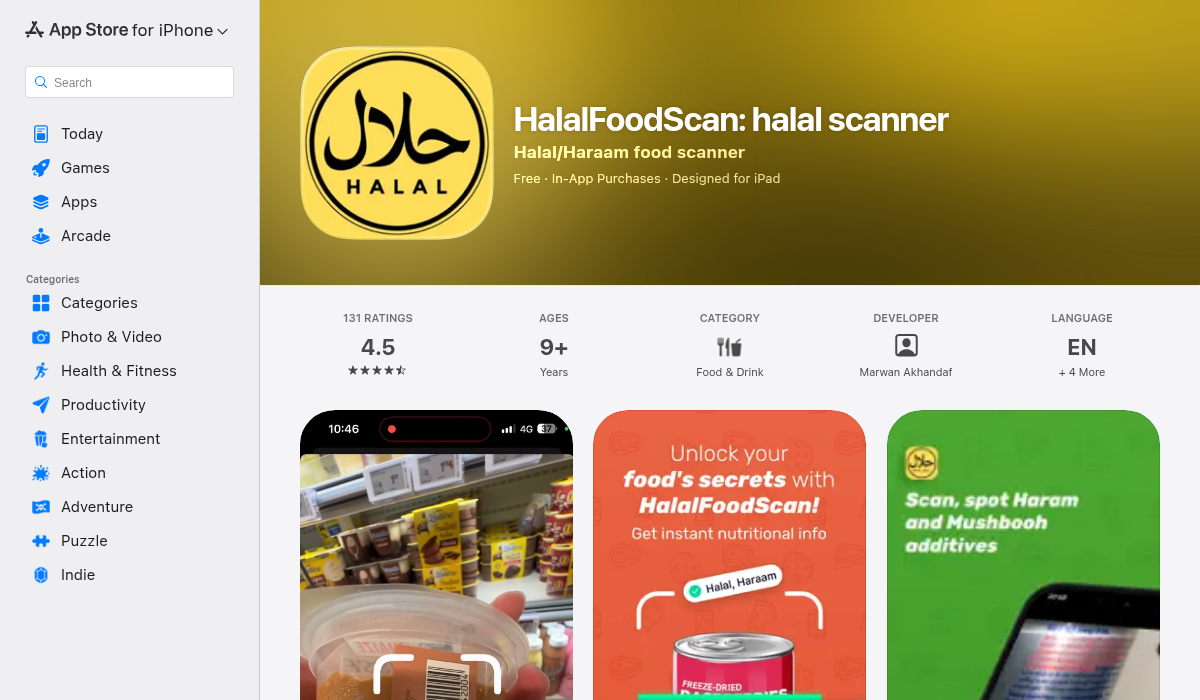
HalalFoodScan is specifically designed for Muslims concerned about food additives. Scan a barcode and get instant halal/haram/mushbooh classification. The app flags E920 and other questionable additives, explaining why they're concerning.
- Barcode scanning with instant status
- Additive detection and analysis
- Detailed explanations of each ingredient
- Works even without a barcode (scan ingredient lists directly)
VeganCheckr
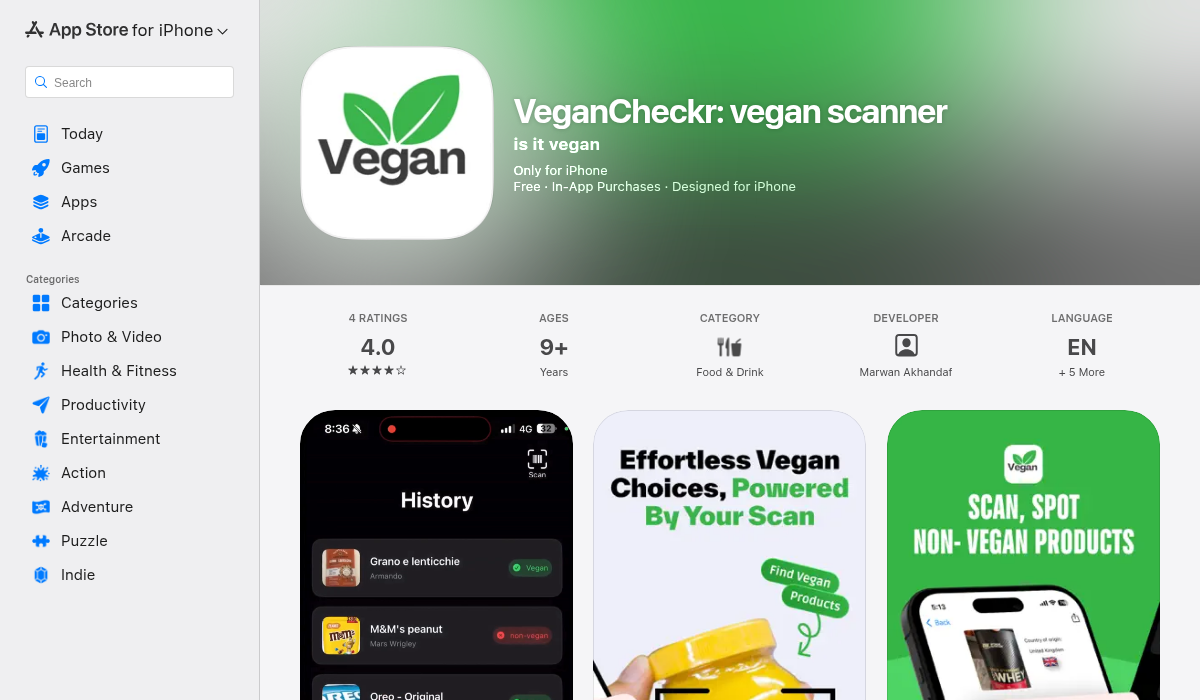
VeganCheckr focuses on vegan suitability. It flags animal-derived additives including L-Cysteine variants, E120 (carmine from beetles), E441 (gelatin), and others that might slip past casual label readers.
- Vegan status checker for any product
- Ingredient analysis with sourcing details
- Supply chain transparency information
- Built-in vegan map for restaurants and stores
FoodCheckr
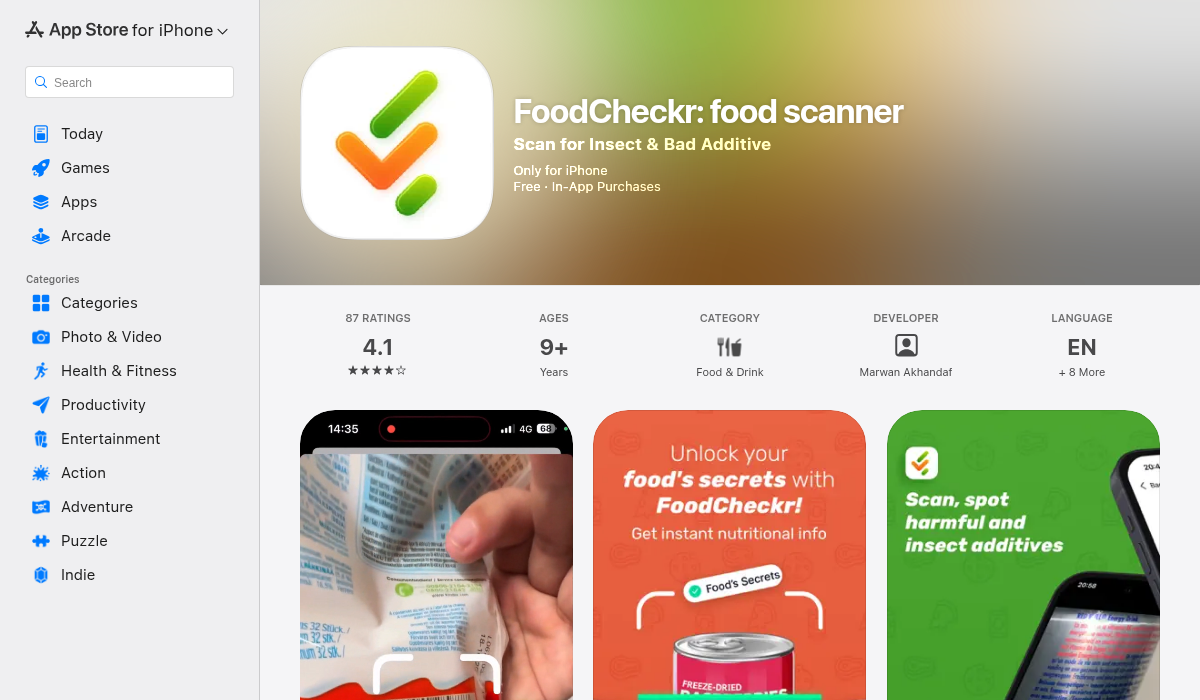
FoodCheckr takes a broader approach, flagging all potentially concerning additives — not just for religious or dietary reasons but also health concerns. It detects bioengineered ingredients and insect-derived additives.
- Harmful additive detection
- AI-powered bioengineered ingredient identification
- Insect trace detection
- Full nutritional breakdown
Common Products That May Contain E920
While not exhaustive, these categories frequently use L-Cysteine:
- Fast food bread — Major chains use dough conditioners for consistency
- Supermarket bread — Especially "freshly baked" in-store varieties
- Frozen pizza dough — Extends shelf life and improves texture
- Packaged tortillas — Keeps them soft and pliable
- Some protein supplements — L-Cysteine is sometimes added as a supplement itself
The Bottom Line
L-Cysteine (E920) isn't inherently bad — it's an amino acid that exists naturally in the human body. The concern is entirely about sourcing. For those following halal, kosher, or vegan diets, the ambiguity around L-Cysteine sources presents a real challenge.
The best approach is:
- Be aware that E920/L-Cysteine in unlabeled products is of uncertain origin
- Look for certified products when sourcing matters to you
- Use scanner apps to flag questionable additives before purchasing
- When in doubt, contact the manufacturer or choose alternatives
Knowledge is power when it comes to food ingredients. Now that you know what L-Cysteine is and where it comes from, you can make informed choices that align with your dietary requirements.