
Mono and Diglycerides: Halal Status Explained
You're reading a food label, spot "mono and diglycerides," and freeze—is this ingredient halal? You're not alone. This common additive, found in everything from bread to ice cream, confuses millions of Muslims worldwide because its halal status isn't black and white.
Mono and diglycerides (also labeled as E471) are emulsifiers that keep oil and water mixed in processed foods. The problem? They can come from plant oils, beef fat, or even pork—and food labels rarely tell you which. Let's break down exactly what you need to know to make informed choices about this tricky ingredient.
What Are Mono and Diglycerides?
Before diving into the halal ruling, it helps to understand what these ingredients actually are. Mono and diglycerides are "partial glycerides"—essentially modified fats that act as emulsifiers. When a normal fat (triglyceride) loses one or two of its fatty acid chains, it becomes better at binding oil and water together.
This makes them incredibly useful in food manufacturing. You'll find mono and diglycerides in:
- Bread and baked goods — Keeps them soft and extends shelf life
- Ice cream — Prevents ice crystals and keeps texture smooth
- Margarine and spreads — Maintains consistency
- Peanut butter — Stops oil separation
- Chocolate — Improves texture and prevents blooming
- Salad dressings — Keeps ingredients blended
The manufacturing process typically involves heating glycerol with bulk oils under high pressure. The oils used can be plant-based (soy, palm, sunflower, canola) or animal-based (beef tallow, lard)—and this is where the halal question becomes critical.
The Halal Ruling: It Depends on the Source
Islamic dietary law is built on two fundamental principles regarding food ingredients:
"O mankind! Eat of that which is lawful and wholesome in the earth, and follow not the footsteps of the devil."— Quran, Surah Al-Baqarah 2:168
The first principle is origin purity (tahārah)—anything derived from pork or from animals not slaughtered according to zabiha (Islamic slaughter) guidelines is considered haram. The second is the concept of istihalah (transformation)—whether a chemical change is significant enough to make the final product permissible.
According to major Islamic certification bodies like IFANCA (Islamic Food and Nutrition Council of America) and the American Halal Foundation, mono and diglycerides do not meet the threshold for istihalah. The fatty acid molecules remain largely intact during processing, which means the source still matters for determining halal status.
The Four Possible Sources
| Source | Halal Status | Notes |
|---|---|---|
| 100% Plant oils (soy, palm, canola, sunflower) | ✅ Halal | No animal input; safest choice |
| Beef tallow from zabiha-slaughtered cattle | ✅ Halal (if certified) | Requires halal certificate and segregated processing |
| Beef tallow from non-zabiha slaughter | ❌ Not Halal | Animal is lawful species but slaughter method invalid |
| Pork fat (lard) or shared equipment | ❌ Haram | Pork derivation or cross-contamination |
The Label Problem: Why It's So Confusing
Here's where things get frustrating. Food manufacturers in most countries are not required to disclose the source of mono and diglycerides. When you see "mono and diglycerides" or "E471" on a label, it could be from any of the sources listed above.
"Mono and diglycerides can be halal as well if derived from vegetable sources. If I'm not wrong most breads should be derived from them and are suitable to use."— Reddit user in r/MuslimLounge
The reality is more complicated than this well-meaning comment suggests. Without explicit labeling or certification, there's no way to know for certain. This uncertainty places mono and diglycerides in the mushbooh (doubtful) category for many Muslims.
As the Prophet Muhammad ﷺ taught:
"What is lawful is clear and what is unlawful is clear, and between them are matters unclear that are unknown to most people. Whoever is wary of these unclear matters has absolved his religion and honor."— Sahih Bukhari 2051
How to Verify If a Product Is Halal
So what's a conscientious Muslim supposed to do? Here are practical steps to navigate this issue:
- Look for explicit labeling — Some products specify "vegetable mono and diglycerides" or "(plant-based)." This is your safest bet.
- Check for halal certification — Look for logos from recognized bodies like IFANCA, ISNA, JAKIM (Malaysia), MUI (Indonesia), or HMC (UK). A certified halal product has been verified at the source.
- Contact the manufacturer — Ask directly: "Are your mono and diglycerides certified halal and derived from plant sources?" Many companies will respond to such inquiries.
- Use a barcode scanner app — Modern technology can help. Apps designed for halal food checking can flag questionable ingredients and provide guidance.
- Check related ingredients — Products containing E472a-f, polysorbates, or glycerol may share the same fat source. Verify these too.
Using Technology to Check Ingredients
One of the most practical solutions for Muslims navigating the complex world of food additives is using a dedicated halal scanner app. Rather than memorizing E-numbers or contacting every manufacturer, you can quickly scan a product's barcode and get instant clarity.
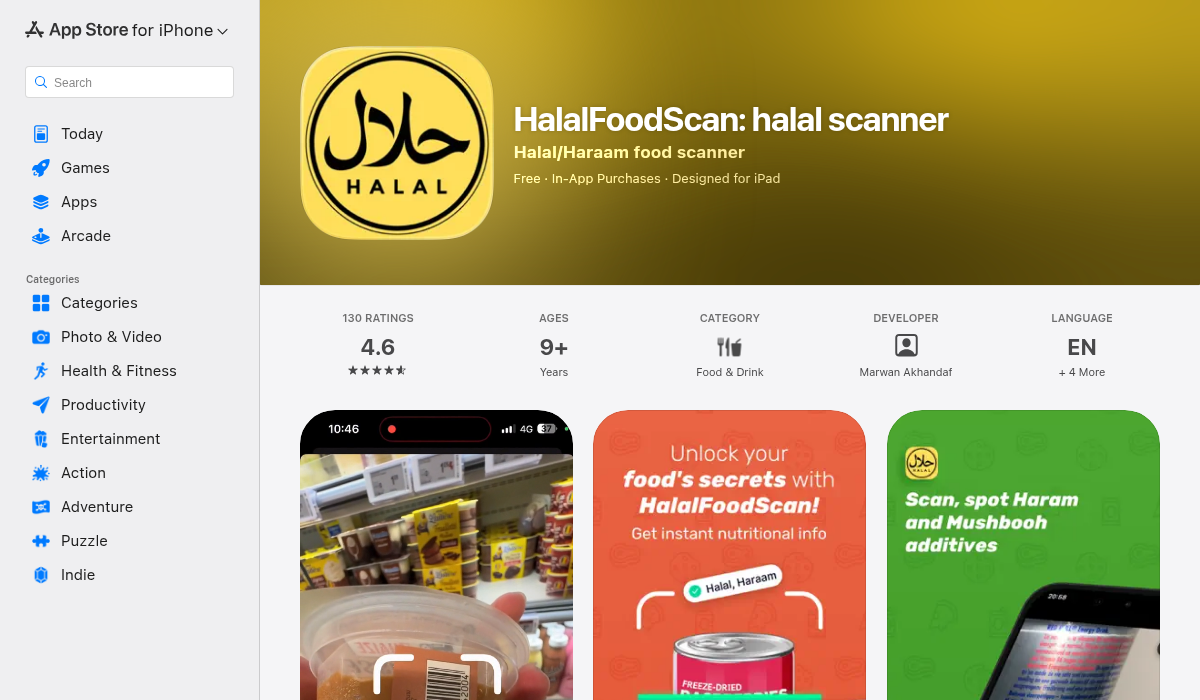
HalalFoodScan is specifically designed for this purpose. The app offers:
- ✅ Barcode scanning — Instant Halal/Haram/Mushbooh status for millions of products
- ✅ Additive analysis — Scan the back of the package if the product isn't in the database
- ✅ E-number identification — Automatically flags questionable additives like E471
- ✅ Ingredient sourcing information — Shows where ingredients come from when available
- ✅ Privacy-focused — No data collection, respecting user privacy
When the app encounters E471 (mono and diglycerides), it classifies it as mushbooh (questionable) unless the product has been verified as plant-based or halal-certified. This gives you the information you need to make your own decision based on your comfort level.
Common Foods to Watch Out For
Knowing which foods commonly contain mono and diglycerides can help you be more vigilant when shopping:
Bread and Bakery Items
Most commercial bread contains mono and diglycerides to improve texture and shelf life. Look for brands that specify "vegetable" emulsifiers or are halal-certified.
Ice Cream
Nearly all commercial ice cream uses these emulsifiers. Premium or organic brands are more likely to use plant-based sources, but verify to be sure.
Margarine and Butter Substitutes
These rely heavily on emulsifiers. Some brands specifically market as vegetarian or vegan, which would indicate plant-based mono and diglycerides.
Processed Snacks
Cookies, crackers, and chips often contain these additives. Check ingredient lists carefully.
Coffee Creamers
Both liquid and powdered creamers typically use mono and diglycerides. Dairy-free versions are more likely to be plant-based.
What About Kosher Certification?
A common question is whether kosher certification guarantees halal status for mono and diglycerides. The short answer is no.
While kosher laws prohibit pork, they do not require the specific slaughter method (zabiha) that Islamic law requires for beef. Therefore, beef-based mono and diglycerides could be kosher but still not halal. A separate halal certificate provides full assurance.
The Scholarly Perspective
There is some scholarly discussion (ikhtilaf) on this topic. Some scholars argue that the extensive chemical processing involved in creating mono and diglycerides might qualify as istihalah (complete transformation), making even animal-derived versions permissible.
However, the majority position among contemporary scholars and halal certification bodies is that the transformation is not complete enough—the fatty acid molecules remain intact and traceable to their source. Therefore, the source matters.
Organizations like JAKIM (Malaysia's halal authority) and MUI (Indonesian Ulema Council) maintain strict requirements for E471, requiring verification of the source before granting halal certification.
Practical Tips for Daily Life
Living with this uncertainty doesn't have to be overwhelming. Here are some practical approaches:
- When in doubt, choose plant-based alternatives — Many products now explicitly label their emulsifiers as plant-based, especially organic options.
- Support halal-certified brands — The more Muslims demand certified products, the more manufacturers will seek certification.
- Don't obsess over every ingredient — Do your due diligence, but remember that Islam also teaches ease. Making a reasonable effort is what's required.
- Educate yourself gradually — Learn common E-numbers and what they mean. Over time, checking labels becomes second nature.
The Bottom Line
Mono and diglycerides (E471) are halal when derived from 100% plant sources or from animals slaughtered according to Islamic guidelines. They are haram when derived from pork or non-zabiha animals. Without clear labeling, they fall into the mushbooh (doubtful) category.
The safest approach is to:
- Look for products labeled "vegetable mono and diglycerides"
- Choose halal-certified products when available
- Use a barcode scanner app like HalalFoodScan to quickly check products
- Contact manufacturers when uncertain about important products you use regularly
Technology has made it easier than ever to make informed decisions about what we eat. Taking a few seconds to scan a barcode can provide peace of mind and help you maintain your dietary principles without excessive worry.
Note: For specific religious rulings (fatwa), always consult with qualified Islamic scholars or your local imam. This article provides general information based on recognized Islamic sources including the Quran, authentic Hadith, and guidance from established halal certification bodies.