
Mono and Diglycerides: The Hidden Animal Ingredient You're Probably Eating
You scan the ingredients label, checking for obvious animal products — and it looks safe. But then you see "mono and diglycerides" buried in the list. Should you worry? The frustrating answer: maybe. These common additives are one of the most confusing ingredients for vegans, halal-conscious Muslims, and anyone trying to avoid animal-derived foods.
Mono and diglycerides (also labeled as E471) appear in countless foods — bread, peanut butter, ice cream, margarine, baked goods, even some medications. They're so common that avoiding them entirely would eliminate most processed foods from your diet. But understanding where they come from and how to check them can make all the difference.
In this guide, we'll break down exactly what mono and diglycerides are, when they're animal-derived versus plant-based, and how to identify them without spending hours researching every product.
What Are Mono and Diglycerides?
Mono and diglycerides are emulsifiers — ingredients that help oil and water mix together smoothly. They're the reason your peanut butter doesn't separate, your bread stays soft, and your ice cream has that creamy texture.
Chemically, they're types of glycerides (fat molecules) that occur naturally in small amounts in most fats and oils. For food production, manufacturers produce them industrially through a process called glycerolysis, which combines triglycerides (fats) with glycerol.
Here's where it gets complicated: the source of those fats can be either plant-based (soybean oil, palm oil, sunflower oil) or animal-based (beef tallow, pork lard). The final chemical structure is identical either way — you literally cannot tell the difference by looking at the ingredient.
The Problem: You Can't Tell the Source from the Label
Food labels in most countries don't require manufacturers to specify whether mono and diglycerides come from animal or plant sources. The label simply says "mono and diglycerides" or "E471" — leaving you guessing.
According to the Vegan Society, E471 is flagged as "potentially animal-based" because while most commercial production uses vegetable oils, animal fats cannot be completely ruled out without checking with the manufacturer.
For halal-conscious consumers, the American Halal Foundation states that mono and diglycerides "can be halal when they come from 100% plant-based oils or are produced synthetically. If they originate from pork, non-zabiha beef, or share equipment with non-halal fats, they are not halal."
"The raw materials of mono- and diglycerides may be either vegetable or animal fats and oils. E471 is mainly produced from vegetable oils, although animal fats are sometimes used and cannot be completely excluded."— Wikipedia, citing food additive research
Which Foods Commonly Contain E471?
Mono and diglycerides appear in a surprising range of products:
- Bread and baked goods — Keeps bread soft and extends shelf life
- Peanut butter — Prevents oil separation
- Ice cream — Creates smooth texture
- Margarine and spreads — Emulsifies oils
- Coffee creamers — Helps blend into coffee
- Chocolate and candy — Improves texture and shine
- Whipped toppings — Stabilizes the foam
- Pasta and noodles — Prevents sticking
- Infant formula — Emulsifies fats for nutrition
The sheer prevalence of E471 makes it nearly impossible to avoid without deliberately checking every product.
How to Check If Mono and Diglycerides Are Vegan or Halal
Without manufacturer disclosure, verifying the source of E471 requires extra steps:
Option 1: Look for Certifications
Products with official vegan certification (like the Vegan Society's sunflower logo) or halal certification (from recognized bodies like ISNA, IFANCA, or local authorities) have already verified their ingredients.
- ✅ Vegan-certified products use plant-based E471
- ✅ Halal-certified products use halal-compliant sources
- ⚠️ "Suitable for vegetarians" doesn't guarantee vegan (may include dairy)
Option 2: Contact the Manufacturer
You can email or call companies directly to ask about their E471 source. Major brands often have this information available. However, this is time-consuming and impractical for everyday shopping.
Option 3: Use a Food Scanner App
Modern food scanning apps can instantly tell you whether a product is safe for your dietary requirements. Simply scan the barcode, and the app cross-references ingredients against its database.
Best Apps for Checking Hidden Animal Ingredients
VeganCheckr — For Vegan Verification
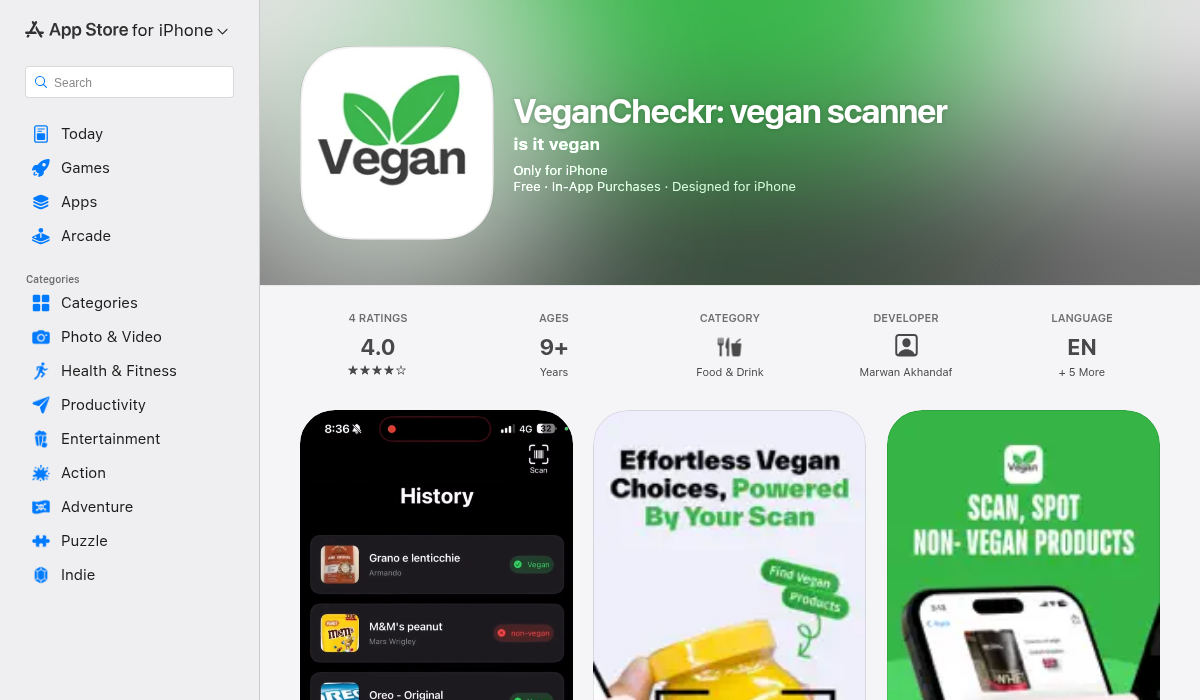
VeganCheckr is designed specifically for vegans. Scan any product barcode to instantly see if it contains animal-derived ingredients — including ambiguous additives like E471.
- ✅ Instant barcode scanning with vegan status
- ✅ Ingredient-by-ingredient breakdown
- ✅ Type any ingredient to check if it's vegan
- ✅ Additive checker identifies hidden animal derivatives
- ✅ Vegan map to find vegan restaurants and stores nearby
- ✅ Report feature for community-driven accuracy
VeganCheckr flags E471 when the source is questionable and gives clear guidance on whether a product is safe, may contain animal products, or is definitely not vegan.
HalalFoodScan — For Halal Verification

HalalFoodScan serves halal-conscious Muslims with the same instant scanning technology, specifically trained to identify haram ingredients and questionable additives.
- ✅ Barcode scanning with halal/haram status
- ✅ Identifies alcohol, pork derivatives, and animal-based additives
- ✅ Detailed ingredient analysis with Islamic rulings
- ✅ Covers E-numbers including E471
- ✅ Works offline after initial sync
For mono and diglycerides specifically, HalalFoodScan will flag products where the source cannot be verified as halal-compliant, giving you peace of mind while shopping.
FoodCheckr — For General Additive Analysis
If you're concerned about all types of additives (not just animal-derived), FoodCheckr provides detailed analysis of E-numbers, artificial ingredients, and potentially harmful additives. It's great for anyone who wants to understand what's really in their food.
Common Additives That May Be Animal-Derived
E471 isn't the only hidden animal ingredient. Here are other common ones to watch for:
- E120 (Carmine) — Red dye made from crushed beetles
- E904 (Shellac) — Coating made from beetle secretions
- E441 (Gelatin) — From animal bones and skin
- E901 (Beeswax) — From bees
- E920 (L-Cysteine) — Often from feathers or hair
- E422 (Glycerin) — Can be animal-derived
- Natural flavors — May contain animal products
- Vitamin D3 — Usually from sheep wool or fish
These ingredients share the same problem as E471 — labels rarely specify the source.
The Good News: Most E471 Is Plant-Based
While uncertainty exists, the reality is that most commercial E471 production uses vegetable oils. According to industry sources, soybean oil, palm oil, sunflower oil, and canola oil are the most common raw materials because they're cheaper and more readily available than animal fats.
That said, "most" isn't "all" — and for people following strict vegan or halal diets, "probably plant-based" isn't good enough.
Practical Tips for Shopping
- Prioritize certified products — Vegan or halal certification removes all guesswork
- Keep a scanner app ready — VeganCheckr or HalalFoodScan on your phone makes checking instant
- Learn common safe brands — Some brands consistently use plant-based E471; note which ones
- When in doubt, skip it — If you can't verify the source, consider alternatives
- Check whole foods — Fresh fruits, vegetables, grains, and legumes don't have hidden additives
The Bottom Line
Mono and diglycerides (E471) are everywhere — and without proper checking, they're genuinely impossible to verify from labels alone. The ingredient can be completely plant-based or it could contain pork or beef fat. There's no way to know without digging deeper.
For vegans, VeganCheckr provides instant scanning to identify questionable ingredients. For halal-conscious Muslims, HalalFoodScan does the same with Islamic dietary requirements in mind. Both apps turn a frustrating guessing game into a quick, confident scan.
Because eating according to your values shouldn't require a chemistry degree.