
Morning Adhkar Routine: Complete Guide for Muslims
Missing your morning adhkar feels like leaving the house without armor — exposed, unprotected, and spiritually vulnerable.
The Prophet Muhammad ﷺ never missed his morning remembrances, and there's profound wisdom in this daily practice that modern Muslims are rediscovering. Whether you're new to Islam or looking to strengthen your morning routine, understanding the complete morning adhkar routine can transform how you start each day.
Why Morning Adhkar Matters More Than Ever
In our hyper-connected world of notifications, emails, and endless scrolling, the morning adhkar serve as a spiritual anchor. The best time for morning adhkar is between Fajr and sunrise — those quiet moments before the chaos of daily life begins.
According to authentic hadith, the Prophet ﷺ was consistent with his morning and evening remembrances. In Sahih Muslim, we learn that protection from harm, both physical and spiritual, comes through these blessed words.
"The morning adhkar are a set of remembrances and duas prescribed by our beloved Prophet ﷺ. We should try to recite them with understanding, conviction (yaqin) and the presence of the heart, on a daily basis."— Life With Allah
Many Muslims struggle with consistency. One Reddit user in r/islam shared: "I know I should do my athkar daily, but I keep forgetting or running out of time before work." This is a common challenge — and thankfully, there are solutions.
The Essential Morning Adhkar
While there are approximately 24 morning adhkar from authentic sources, here are the most essential ones every Muslim should prioritize:
1. Ayatul Kursi (آية الكرسي)
The greatest verse in the Quran. The Prophet ﷺ said regarding Ayatul Kursi: "Reading it in the morning, you will be protected from the devils until the evening. And if you read it in the evening, you will be protected until the morning." (Hakim 2064)
This single verse contains over 20 Names and Attributes of Allah, describing His Oneness, His Knowledge, His Power, and His Sustaining of all creation. Ibn al-Jawzi (rahimahullah) wrote that if a believer recited this verse with deep thought and contemplation, his heart would be filled with awe of Allah's Greatness.
2. The Three Quls (المعوذات)
Surah Al-Ikhlas, Surah Al-Falaq, and Surah An-Nas — recited three times each. These powerful surahs provide protection from envy, evil eye, magic, and all harm. The Prophet ﷺ would blow into his hands and recite these surahs before wiping his hands over his body each morning.
3. Sayyid al-Istighfar (سيد الاستغفار)
The master supplication for forgiveness. The Prophet ﷺ said: "Whoever says it during the day with firm conviction and dies on the same day before evening, he will be among the people of Paradise." (Bukhari)
"اللَّهُمَّ أَنْتَ رَبِّي لَا إِلَهَ إِلَّا أَنْتَ خَلَقْتَنِي وَأَنَا عَبْدُكَ"— O Allah, You are my Lord, there is no deity but You. You created me and I am Your servant.
4. Morning Protection Du'as
Including the powerful statement: "بِسْمِ اللَّهِ الَّذِي لاَ يَضُرُّ مَعَ اسْمِهِ شَىْءٌ فِي الأَرْضِ وَلاَ فِي السَّمَاءِ وَهُوَ السَّمِيعُ الْعَلِيمُ" — "In the Name of Allah, with Whose Name nothing on earth or in heaven can cause harm, and He is the All-Hearing, All-Knowing." Recited three times, this provides protection throughout the day.
5. Tasbih, Tahmid, and Takbir
SubhanAllah (33x), Alhamdulillah (33x), and Allahu Akbar (34x). The Prophet ﷺ said these are better than having a servant to help with all tasks (Sahih Muslim).
How to Build a Consistent Routine
Consistency is key. Here's a practical approach based on what successful Muslims do:
- Start immediately after Fajr — Link your adhkar to an existing habit. Right after completing your Fajr salah, stay on your prayer mat and begin.
- Begin with the essentials — If you can't do all 24 adhkar, start with Ayatul Kursi, the three Quls, and the morning du'as. Five minutes is better than nothing.
- Use a tracking app — Technology can help maintain consistency through reminders and progress tracking.
- Understand what you're saying — Reading with meaning and presence of heart (hudur al-qalb) multiplies the benefit.
- Keep a physical copy nearby — Whether it's Hisnul Muslim or an app on your phone, easy access removes barriers.
Best Adhkar Apps Compared
In 2026, several apps can help you maintain your morning routine. Here's an honest comparison:
1. Hisnul Muslim

The classic fortress of the Muslim in app form. Based on the famous book by Sheikh Sa'id bin Ali bin Wahf Al-Qahtani.
- ✅ Comprehensive collection from Hisn al-Muslim book
- ✅ Arabic text with transliteration
- ✅ Free to use
- ❌ Interface feels dated
- ❌ No tracking or reminder features
2. Muslim Pro
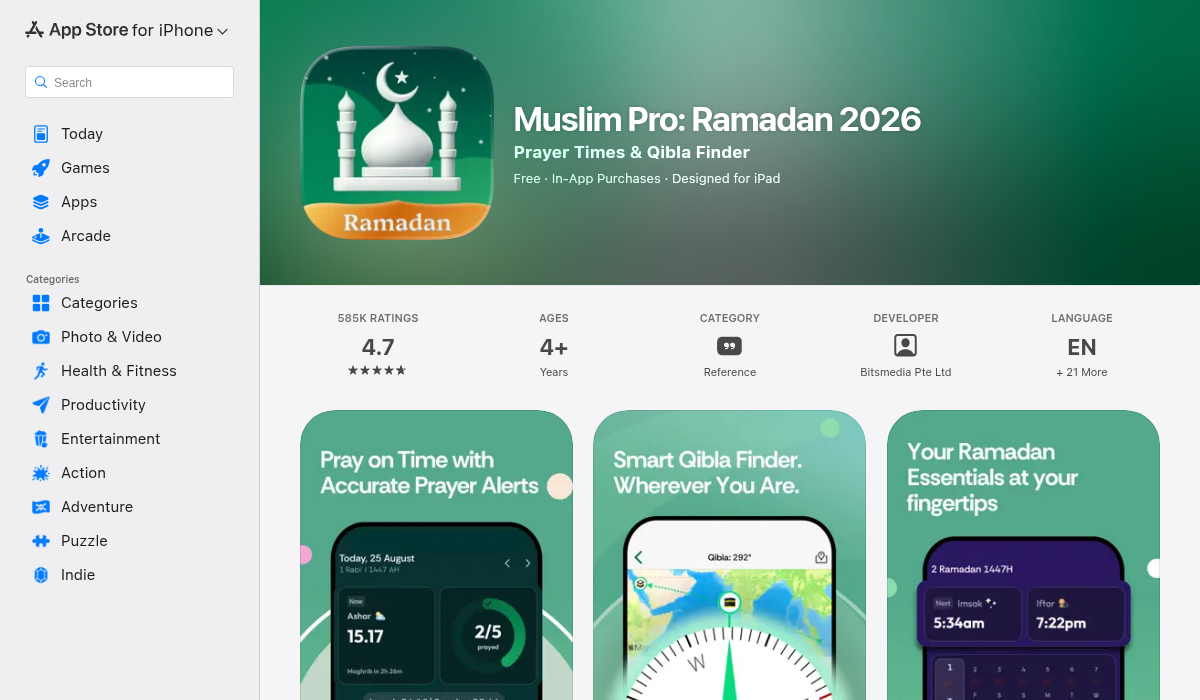
The all-in-one Islamic app with prayer times, Quran, and adhkar included.
- ✅ Prayer time notifications
- ✅ Complete Quran with audio
- ✅ Large user community
- ❌ Adhkar is not the main focus
- ❌ Subscription required for full features
- ❌ Can feel overwhelming with too many features
3. Quran & Dhikr Unlock

A unique approach that turns adhkar into a daily unlock mechanism — you complete your morning remembrances to unlock your phone each day.
- ✅ Gamified accountability — adhkar unlocks your phone
- ✅ Morning and evening adhkar reminders
- ✅ Quran reading built in
- ✅ Clean, modern interface
- ✅ Privacy-focused (no data collection)
The unlock feature is particularly clever for those who struggle with consistency. Instead of scrolling through social media first thing in the morning, you're gently encouraged to complete your adhkar first. It transforms your phone from a distraction into a tool for worship.
Timing: When Exactly Should You Recite?
There's scholarly discussion about the exact timing, but here's the consensus:
- Morning Adhkar: Best time is after Fajr until sunrise. Can be made up later if missed.
- Evening Adhkar: After Asr until Maghrib. Some scholars extend this to after Maghrib.
The Prophet ﷺ was consistent with both. Missing them occasionally is human, but making them a daily habit brings immense protection and barakah.
The Spiritual Benefits You'll Notice
Muslims who maintain consistent morning adhkar often report:
- Increased tranquility — Starting the day with Allah's remembrance brings sakina (peace) to the heart
- Better focus — The mindfulness of dhikr carries into daily tasks
- Protection from anxiety — Trusting in Allah's protection reduces worry
- Stronger connection to prayer — Adhkar reinforce the five daily prayers
- Barakah in time — Many report feeling like they have more productive days
As Allah says in the Quran: "Verily, in the remembrance of Allah do hearts find rest." (Surah Ar-Ra'd, 13:28)
Common Mistakes to Avoid
When establishing your morning adhkar routine, watch out for these pitfalls:
- Rushing through without understanding — Quality over quantity. Better to recite five adhkar with presence than twenty while distracted.
- Perfectionism paralysis — Don't skip adhkar because you "don't have time for all of them." Do what you can.
- Skipping when traveling — The adhkar are not dependent on location. Continue them wherever you are.
- Forgetting the evening adhkar — Morning and evening work together as a protective pair.
Building Your Personal Routine
Here's a practical 10-minute morning adhkar routine for beginners:
- Ayatul Kursi (1 minute) — Recite slowly with contemplation
- Three Quls x3 (2 minutes) — Blow into hands, wipe over body
- Morning du'as (3 minutes) — The key protection supplications
- Tasbih, Tahmid, Takbir (3 minutes) — Using fingers or a counter
- Sayyid al-Istighfar (1 minute) — Once with full presence
As you grow comfortable, add more adhkar from Hisn al-Muslim. The goal is consistency, not perfection.
The Bottom Line
Morning adhkar is one of the most powerful yet underutilized practices in a Muslim's daily routine. The Prophet ﷺ never neglected it, and we shouldn't either. Whether you use a traditional book like Hisnul Muslim, a comprehensive app like Muslim Pro, or a habit-building app like Quran & Dhikr Unlock, the key is consistency.
Start tomorrow morning. Even if it's just Ayatul Kursi and the three Quls. Build the habit. Your heart — and your day — will thank you.
Note: For specific religious rulings (fatwa), always consult with qualified Islamic scholars or your local imam. This article provides general information based on recognized Islamic sources including Sahih Bukhari, Sahih Muslim, and scholarly consensus.