
Natural Food Coloring vs Artificial: What Parents Need to Know
That bright blue sports drink. The neon-colored cereal. The rainbow candy your kid begged for at checkout. If you've ever wondered whether those vivid colors might be doing more than just making food look fun, you're not alone — and the research is finally catching up to parents' instincts.
The debate around artificial food dyes has been simmering for decades, but 2026 is seeing renewed attention as more parents report noticing behavioral changes after their children consume certain dyed foods. Let's cut through the noise and look at what we actually know.
The Difference: Natural vs Artificial Food Coloring
First, let's clarify what we're talking about. Food coloring falls into two main categories:
Natural food dyes are derived from plants, minerals, or animals:
- Beet juice — creates reds and pinks
- Turmeric — creates yellows
- Spirulina — creates blues and greens
- Annatto — creates oranges (from achiote seeds)
- Carmine (E120) — red dye from beetles (note: not vegan or halal)
Artificial food dyes are synthetic chemicals, typically derived from petroleum:
- Red 40 (E129) — most common in the US
- Yellow 5/Tartrazine (E102) — known allergy concerns
- Yellow 6 (E110) — found in many snacks
- Blue 1 (E133) — common in beverages
- Blue 2 (E132) — found in candies
The key difference? Natural dyes have been used for centuries and generally have well-understood safety profiles. Artificial dyes are newer, and some have raised concerns — particularly for children.
What the Research Actually Says
Let's be clear: artificial food dyes don't cause ADHD. That myth has been debunked. But here's what research does suggest — and it's worth knowing.
According to a review published by the NIH, there's evidence that allergies and hypersensitivity to artificial food coloring could be responsible for behavioral changes seen in some children who consume the dyes. The key word is "some" — not all children react the same way.
Ohio State Health notes that younger children seem to be more susceptible than adults, and that children with existing conditions like ADHD may experience worsened symptoms.
As one parent in r/ADHDparenting described:
"I see with my own kiddo when he's had these sugars, would be bouncing off the walls and when already challenged with ADHD I've chosen to take dyes out, no artificial sweeteners, and just a more natural sugar approach."— Reddit parent
The science suggests that about 3-5% of children with ADHD, mostly boys aged 3-8, may be affected by certain food dyes. That's a small percentage — but if your child is in that group, eliminating dyes could make a noticeable difference.
Which Dyes Are Most Concerning?
Not all artificial dyes carry equal concern. Here's what to watch for:
High Concern
- Tartrazine (Yellow 5 / E102) — Most studied for behavioral effects. Linked to hyperactivity in sensitive children. Can cause allergic reactions including hives and asthma symptoms.
- Allura Red (Red 40 / E129) — The most widely used dye in the US. Some studies link it to increased hyperactivity. Banned or restricted in several European countries.
- Sunset Yellow (Yellow 6 / E110) — Associated with hyperactivity and allergic reactions. Requires warning labels in the EU.
Moderate Concern
- Brilliant Blue (Blue 1 / E133) — Generally considered safer, but some sensitivity reports exist.
- Indigo Carmine (Blue 2 / E132) — Used in candies and pills. Occasional reaction reports.
The EU Approach
It's worth noting that the European Union requires foods containing certain artificial dyes to carry warning labels stating they "may have an adverse effect on activity and attention in children." The same products sold in the US often contain the same dyes without any warning. Many companies actually reformulate their products with natural dyes for European markets while continuing to use artificial dyes in US products.
Reading Labels: What to Look For
Artificial dyes hide under various names. Here's a quick reference:
| Common Name | E-Number | Found In |
|---|---|---|
| Red 40 | E129 | Candies, cereals, drinks |
| Yellow 5 | E102 | Snacks, soft drinks, pickles |
| Yellow 6 | E110 | Cheese snacks, sauces |
| Blue 1 | E133 | Ice cream, beverages |
| Blue 2 | E132 | Candies, baked goods |
The challenge? Reading every label at the grocery store is time-consuming. That's where technology helps.
Using Apps to Check Food Additives
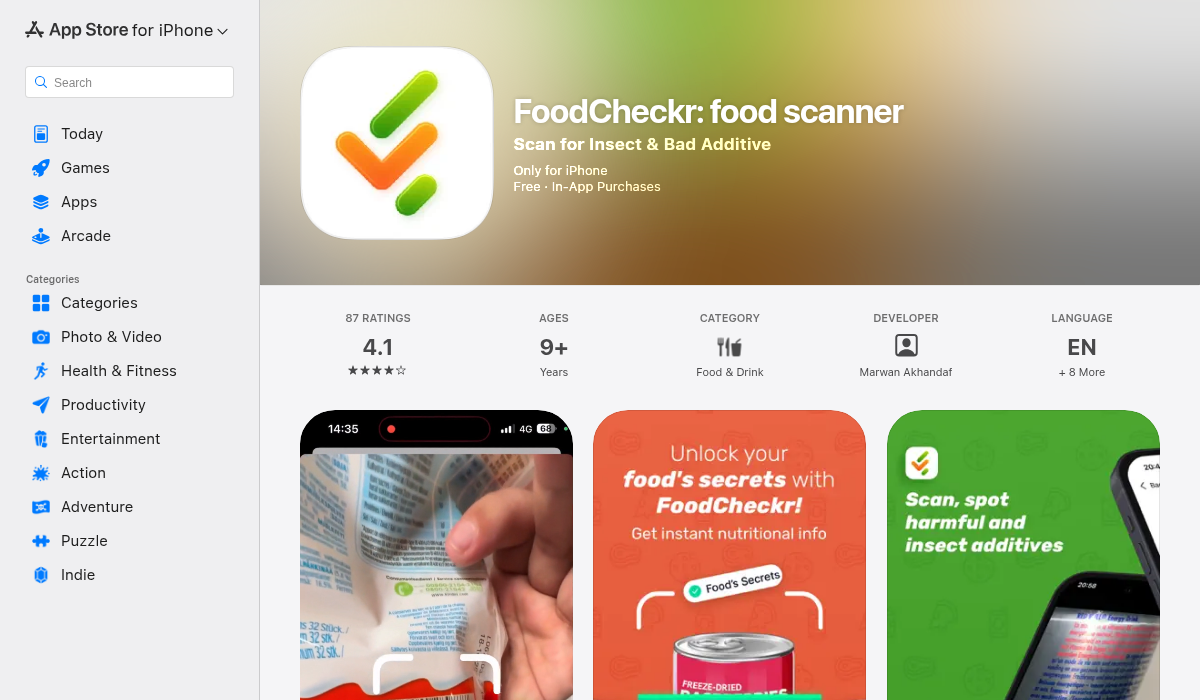
Rather than memorizing E-numbers, many parents are turning to barcode-scanning apps that instantly analyze ingredients. FoodCheckr is one option that specifically flags additives by risk level:
- 🟢 Safe — Generally recognized as safe
- 🟡 Caution — Some concerns, limit intake
- 🔴 Avoid — Potentially harmful
The app also uses AI to detect bioengineered ingredients and insect-derived additives (like carmine), which matters for families with dietary restrictions or allergies.
The convenience factor is real: instead of squinting at tiny ingredient lists in the store aisle, you scan the barcode and get an instant breakdown. It's particularly useful when shopping with kids who want everything in the colorful packaging.
Practical Tips for Parents
You don't have to go cold turkey on all colorful foods. Here's a balanced approach:
- Observe your child — Keep a simple food diary for 2-3 weeks. Note what they eat and any behavioral changes. Patterns often emerge.
- Start with the big offenders — Brightly colored candies, sports drinks, and artificially colored cereals are the usual suspects. Try substituting natural alternatives for a month.
- Read labels on surprising products — Artificial dyes appear in unexpected places: pickles, salad dressings, bread, and even some vitamins.
- Look for "free from artificial colors" — Many brands now highlight this on packaging. Store brands often have cleaner formulations than name brands.
- Don't stress about occasional exposure — Birthday party cake won't undo weeks of clean eating. The goal is reducing regular exposure, not elimination.
Natural Alternatives That Actually Work
If you're baking or cooking at home, here are natural coloring options:
- Red/Pink: Beet juice powder, raspberry juice, pomegranate
- Yellow: Turmeric, saffron (expensive but effective)
- Orange: Carrot juice, paprika, annatto
- Blue: Spirulina, butterfly pea flower
- Green: Matcha, spinach powder
- Purple: Blueberry juice, purple sweet potato
These won't produce the same neon intensity as artificial dyes — but that's kind of the point. Natural colors look more natural.
The Bottom Line
Artificial food dyes are unlikely to affect most children. But for a subset — particularly young children with ADHD or sensory sensitivities — reducing exposure may help. The European Union's warning label requirement suggests the concern is legitimate enough to take seriously.
The good news: avoiding artificial dyes is easier than ever. More brands are reformulating with natural alternatives, and apps like FoodCheckr make it simple to scan and check products before buying.
Trust your observations as a parent. If you notice your child seems more wound up after certain foods, it's worth investigating. The research supports what many parents have been saying for years: for some kids, those bright artificial colors come with a hidden cost.