
Ozempic Diet Tips: What Apps Help Track Protein Intake
If you're on Ozempic, you've probably already discovered the cruel irony: the drug kills your appetite, but your body still desperately needs protein.
GLP-1 medications like Ozempic, Wegovy, and Mounjaro are revolutionizing weight loss — but they come with a hidden challenge that catches many users off guard. When you're barely hungry enough to finish half a meal, hitting your daily protein target feels impossible. And without adequate protein, you're not just losing fat — you're losing the muscle mass you actually want to keep.
The good news? Tracking apps designed for nutritional awareness can help you make every bite count. Let's break down what you actually need to know about protein on GLP-1s, and which apps can help you stay on track without obsessive calorie counting.
The Protein Problem on GLP-1 Medications
Here's what's happening in your body: GLP-1 medications slow gastric emptying and suppress appetite hormones. Great for weight loss. Terrible for hitting nutritional targets.
Most doctors recommend at least 60-80 grams of protein daily while on these medications — some suggest even higher, around 0.7-1g per pound of ideal body weight. But when you're eating 800-1200 calories a day because that's genuinely all you can stomach, cramming in 80+ grams of protein becomes a logistical puzzle.
"How the HECK do I possibly get enough protein on Ozempic? I feel like complete shit. My doctor mentioned protein, but I'm going in blind."— Reddit user in r/Ozempic
This frustration is universal. Another user put it bluntly:
"I'm not hungry, how the heck am I supposed to eat 100+ g of protein? Due to Ozempic I wasn't hungry enough to eat the protein I needed to keep my muscle tone."— Reddit user in r/Ozempic
The consequences of skipping protein aren't just aesthetic. Muscle loss (known as sarcopenia) can tank your metabolism, make you feel weaker, and even affect your posture and bone health long-term. This is why tracking becomes essential — not to obsess over numbers, but to ensure what little you eat actually delivers.
Why Standard Calorie Apps Fall Short
Traditional calorie counting apps like MyFitnessPal were designed for people eating normally-sized meals. They're optimized for general weight loss, not for the specific challenges GLP-1 users face:
- They bury protein data — You have to dig through screens to find macros
- They encourage calorie restriction — When your appetite is already suppressed, this can backfire
- They don't account for reduced appetite — No guidance on protein-dense, small-portion foods
- Manual logging is exhausting — When eating feels like a chore, so does tracking
What GLP-1 users actually need is an app that makes protein visible at a glance, requires minimal effort to log, and helps identify which foods pack the most nutritional punch per bite.
What to Look for in a Protein Tracking App
After testing dozens of nutrition apps and reading hundreds of user experiences, here's what actually matters for GLP-1 users:
- AI-powered meal scanning — Point your phone at food, get instant macros
- Protein-first display — Macros visible immediately, not buried in menus
- Barcode scanning for packaged foods — Quick logging for protein shakes and bars
- Personalized goals — Adjustable protein targets, not one-size-fits-all
- Progress insights — Weekly trends to spot patterns
Best Apps for Tracking Protein Intake in 2026
1. Zwintji — AI Calorie Scanner
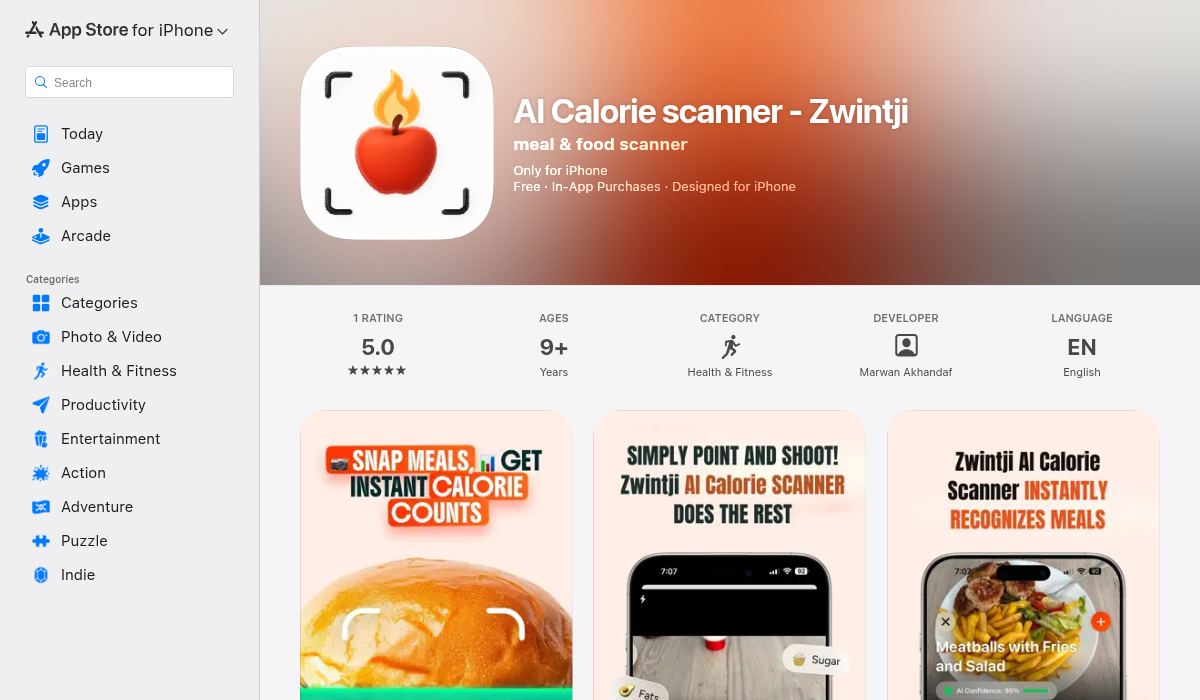
Zwintji takes a refreshingly modern approach to food tracking. Instead of searching through endless food databases or manually entering every ingredient, you simply snap a photo of your meal. The AI identifies what's on your plate and provides a complete nutritional breakdown — including protein, carbs, fats, and total calories.
For GLP-1 users, this is a game-changer. When eating already feels like a task, the last thing you want is another complicated app to manage. Zwintji eliminates that friction entirely.
- ✅ AI meal scanning — Photo-to-macros in seconds
- ✅ Packaged food scanning — Barcode support for protein shakes and bars
- ✅ Nutritional breakdown — Protein displayed prominently alongside other macros
- ✅ Workout tracking — Pairs nutrition with activity for complete picture
- ✅ Personalized goals — Set your protein target based on your needs
- ✅ Progress insights — Track trends over time
The app also does ingredient recognition, so you can scan individual foods before building a meal. Perfect for meal prepping high-protein options on days when you actually have the energy to cook.
Download Zwintji on the App Store
2. FoodCheckr — Deep Nutritional Scanner
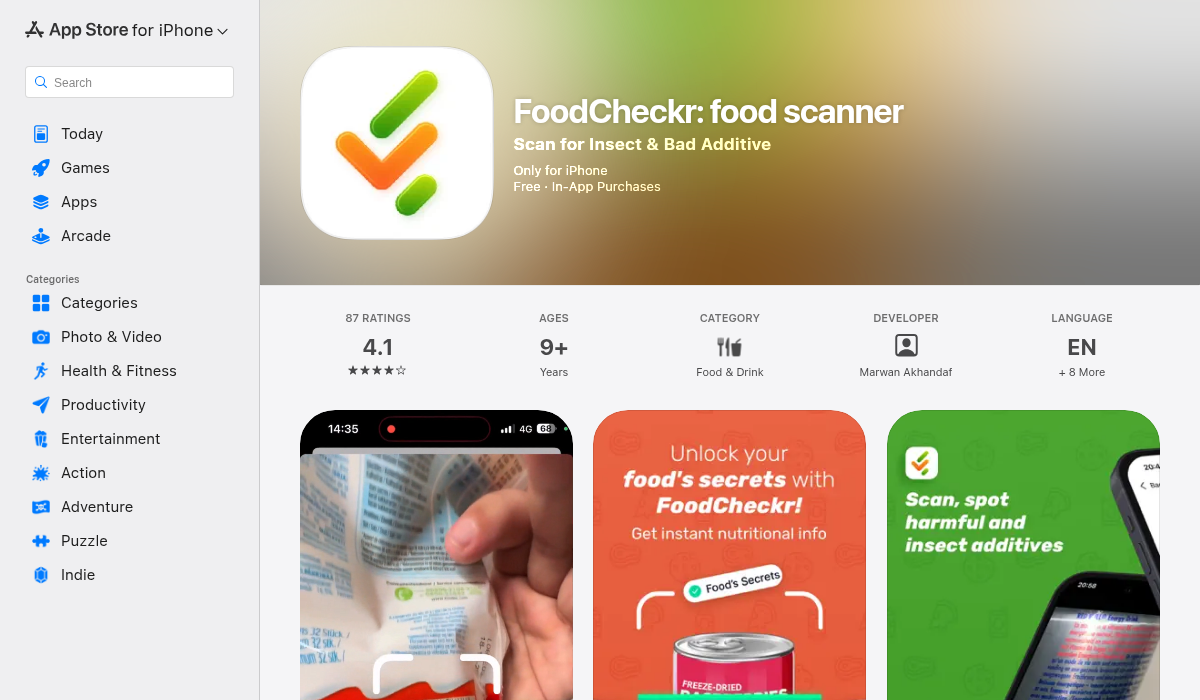
While not exclusively a protein tracker, FoodCheckr offers deep nutritional analysis that GLP-1 users will appreciate. Beyond just macros, it flags harmful additives and bioengineered ingredients — helpful when you're trying to optimize what little food you're eating.
- ✅ Detailed nutritional info — Energy, protein, sugars, fats clearly displayed
- ✅ Additive detection — Identifies potentially harmful ingredients
- ✅ Scan history — Track what you've checked previously
- ✅ Clean interface — No overwhelming data dumps
FoodCheckr pairs well with Zwintji — use FoodCheckr to vet packaged foods for quality, then log them in Zwintji for daily tracking.
Download FoodCheckr on the App Store
3. Cronometer — Database Powerhouse
Cronometer remains a solid choice for those who want granular control. Its database is extensive, and it tracks micronutrients that most apps ignore. However, it requires more manual input and can feel overwhelming for users who just want quick protein visibility.
- ✅ Comprehensive food database
- ✅ Micronutrient tracking
- ❌ Steeper learning curve
- ❌ No AI meal scanning
4. Specialized GLP-1 Apps (Shotsy, GLPeak)
Apps like Shotsy and GLPeak are designed specifically for GLP-1 medication users. They track injection sites, dosing schedules, and side effects — but their nutritional tracking features are secondary. Consider pairing them with a dedicated nutrition app like Zwintji for complete coverage.
Pro Tips for Meeting Protein Goals on Ozempic
- Protein first, always — When you only have appetite for a few bites, make them count. Eat your protein source before anything else on the plate.
- Front-load your protein — Many GLP-1 users find appetite is slightly better in the morning. Schedule your highest-protein meal early when you can actually eat it.
- Embrace protein shakes — When solid food feels impossible, liquid protein goes down easier. A quality whey or plant-based protein shake can deliver 20-30g in one drink.
- Keep high-protein snacks accessible — Greek yogurt (20g per cup), cottage cheese (14g per half cup), string cheese (7g per stick), and jerky (10g per ounce) are grab-and-go options.
- Track for three days to find patterns — You don't need to track forever. Log everything for 72 hours to identify where protein gaps exist, then adjust your eating strategy accordingly.
- Focus on protein density — Calculate grams of protein per calorie. Chicken breast delivers ~8g protein per 100 calories. Greek yogurt hits ~10g per 100 calories. Optimize for these ratios.
Sample High-Protein Day for GLP-1 Users
Here's what a realistic ~70g protein day might look like when appetite is limited:
- Breakfast: 1 cup Greek yogurt + handful of berries = 20g protein
- Lunch: 3 oz grilled chicken + small salad = 25g protein
- Snack: String cheese (2 sticks) = 14g protein
- Dinner: 2 scrambled eggs = 12g protein
Total: ~71g protein in modest portions. Track meals like this in Zwintji to see exactly where you're landing each day.
The Bottom Line
Ozempic and similar GLP-1 medications are powerful tools for weight loss, but they require a different approach to nutrition than standard dieting. Protein becomes non-negotiable — it's what preserves your muscle mass, keeps your energy up, and ensures the weight you lose stays lost.
The right tracking app removes the guesswork. Instead of vaguely hoping you're getting enough protein, you'll know exactly where you stand. And when eating is already a struggle, that clarity is invaluable.
If you're looking for a modern, friction-free way to track protein and other macros, Zwintji offers AI-powered meal scanning that makes logging effortless. Pair it with FoodCheckr for deeper nutritional insights on packaged foods, and you'll have a complete system for optimizing your nutrition on GLP-1 medications.
Your body will thank you — and so will your future self when you've lost the fat but kept the muscle.