
Reading Food Labels Like a Pro: The Complete Guide to Understanding What's in Your Food
That confusing wall of text on the back of your cereal box? It's actually telling you everything you need to know about what you're eating — if you know how to read it.
Food labels are required by law to disclose exactly what's in your food, but manufacturers have become experts at making this information as hard to decipher as possible. Hidden sugars, mysterious additives, and misleading claims are everywhere. Learning to read food labels properly isn't just a nice skill to have — it's essential for anyone who cares about what they're putting into their body.
Why Most People Get Food Labels Wrong
Here's the uncomfortable truth: food companies hire teams of marketers specifically to make their products sound healthier than they are. Those big "No Sugar Added!" or "All Natural!" claims on the front? They're designed to distract you from what's actually inside.
"It is so difficult to read and understand food labels. Lot of times ingredients are sneaked in and displayed using their not so common names."— Reddit user in r/EatCheapAndHealthy
The real information is always on the back — in the Nutrition Facts panel and the ingredients list. The front of the package is marketing. The back is the truth.
The Anatomy of a Food Label
Every food label in the US (and most other countries) follows a standardized format. Understanding each section gives you the power to make informed choices.
1. Serving Size — The Foundation of Everything
This is where manufacturers play their first trick. A bag of chips might list 150 calories per serving — sounds reasonable, right? Until you notice the serving size is "about 12 chips" and the bag contains 4 servings. That "small" snack is actually 600 calories.
Pro tip: Always check if the serving size matches how much you'll actually eat. Most people eat 2-3x the listed serving size without realizing it.
2. Calories — Not the Whole Story
Calories matter, but they don't tell you everything. 200 calories from almonds affects your body very differently than 200 calories from candy. Still, knowing the calorie count helps you stay aware of your overall intake.
3. The Nutrient Breakdown
This section lists fats, cholesterol, sodium, carbohydrates, fiber, sugars, and protein. The percentages on the right are based on a 2,000-calorie daily diet. Here's what to watch for:
- Saturated fat: Keep this low (under 10% of daily calories)
- Sodium: The silent killer — anything over 20% per serving is considered high
- Added sugars: This is the one that matters most. Natural sugars from fruit are fine; added sugars are the problem
- Fiber: The more, the better. Most people don't get enough
4. The Ingredients List — Where Secrets Hide
This is the most important section, and the one most people skip. Ingredients are listed in order of weight — the first ingredient is what the product contains most of. If sugar (or one of its 60+ aliases) is in the first three ingredients, that product is essentially sugar with extras.
"LPT: Stop reading food labels that tell you what isn't in the product ('No MSG', 'Low Fat') and instead focus on the ingredient list that tells you what is in there."— Reddit user in r/LifeProTips
Hidden Sugar: The 60+ Names You Need to Know
Food manufacturers don't want you to realize how much sugar you're eating. That's why they use dozens of different names for sugar, spreading them throughout the ingredients list so no single one appears first.
Watch for these common disguises:
- Obvious ones: High fructose corn syrup, cane sugar, brown sugar, raw sugar
- Scientific-sounding ones: Dextrose, maltose, sucrose, fructose, glucose
- Healthy-sounding ones: Organic cane juice, coconut sugar, agave nectar, date syrup
- Sneaky ones: Barley malt, rice syrup, fruit juice concentrate, molasses
If a product contains multiple types of sugar, that's often a sign they're trying to hide the total amount.
Additives and E-Numbers Explained
Those mysterious codes like "E621" or "E150a" are food additives. Some are harmless (E330 is just citric acid, found in lemons), but others are more questionable. The challenge is that most people don't have a chemistry degree in their back pocket.
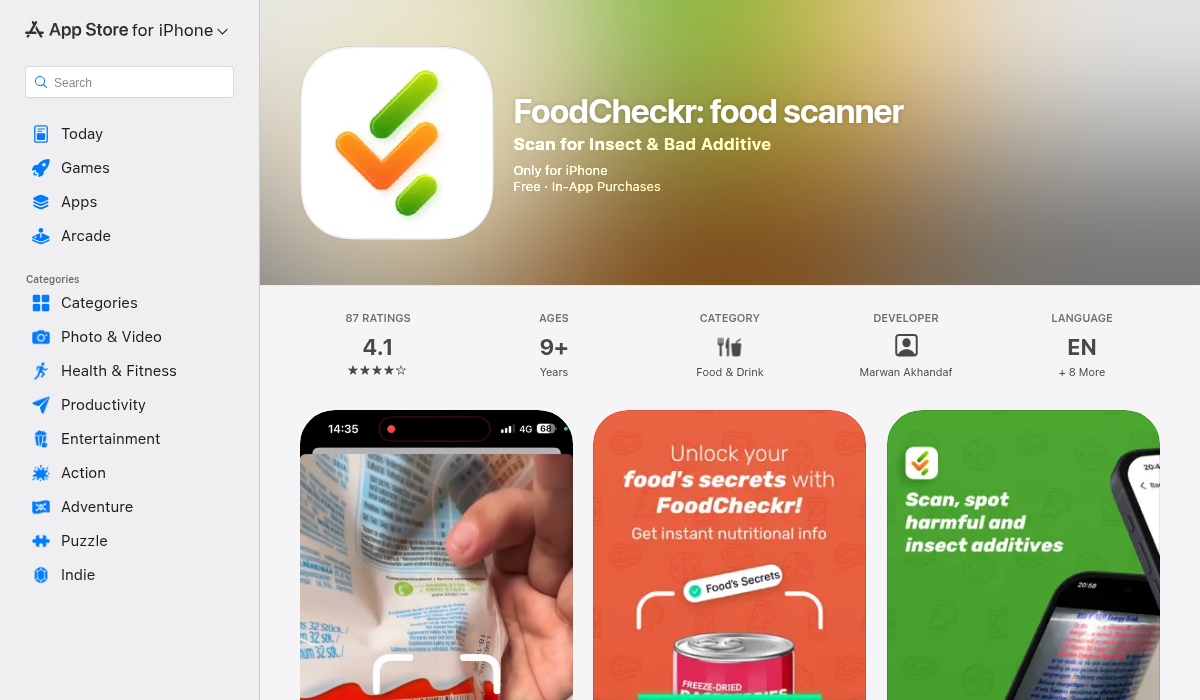
Apps like FoodCheckr can scan a barcode and instantly tell you what's in a product, flagging potentially harmful additives. It even detects insect-based ingredients (cochineal, carmine) and bioengineered components — something that's becoming increasingly common in processed foods.
Reading Labels for Specific Diets
If you follow a specific diet — whether for health, religious, or ethical reasons — food labels become even more critical.
For Halal Diets
Many ingredients have hidden animal sources. Gelatin, certain emulsifiers, and some artificial flavors can be derived from pork. Alcohol-based flavorings and vinegar sources are another concern. Unless a product is specifically halal-certified, you need to scrutinize every ingredient.
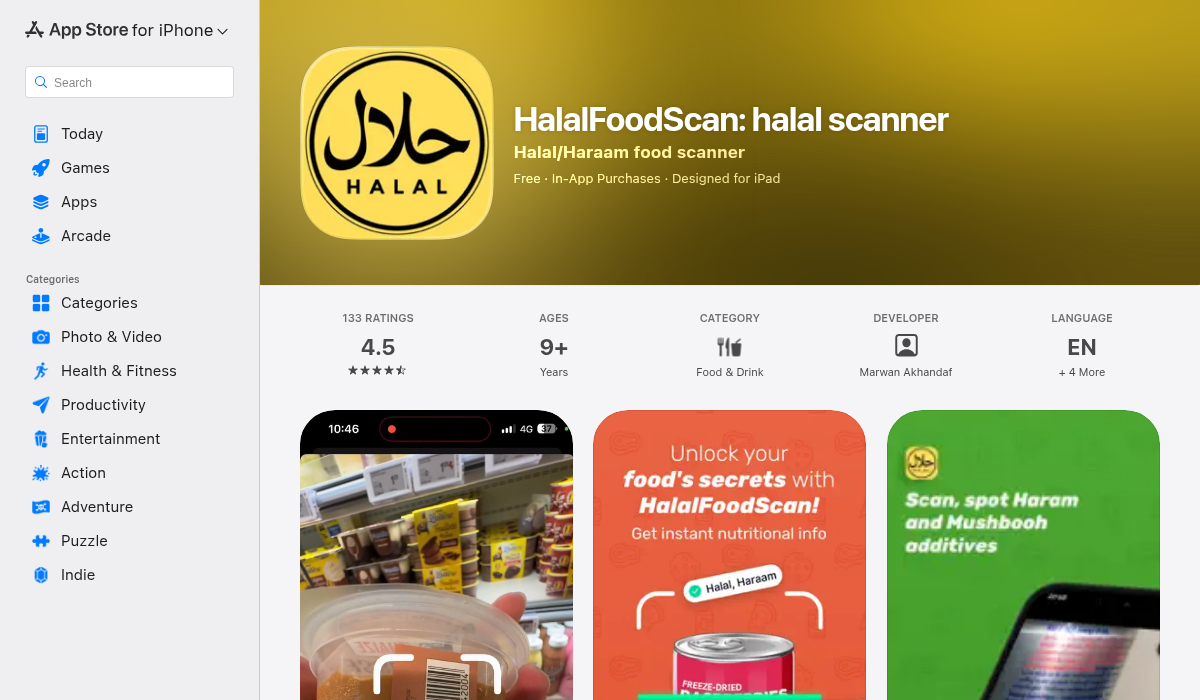
HalalFoodScan takes the guesswork out of this process. Scan any product and it analyzes each ingredient, categorizing them as Halal, Mushbooh (doubtful), or Haram. It even explains the reasoning behind each classification, which is especially helpful for ingredients like vinegar where the source matters.
For Vegan Diets
Hidden animal products are everywhere. Casein in "non-dairy" creamers, lanolin in fortified products, carmine (red dye from insects) in snacks and drinks. Even bread can contain L-cysteine, an amino acid often derived from duck feathers.
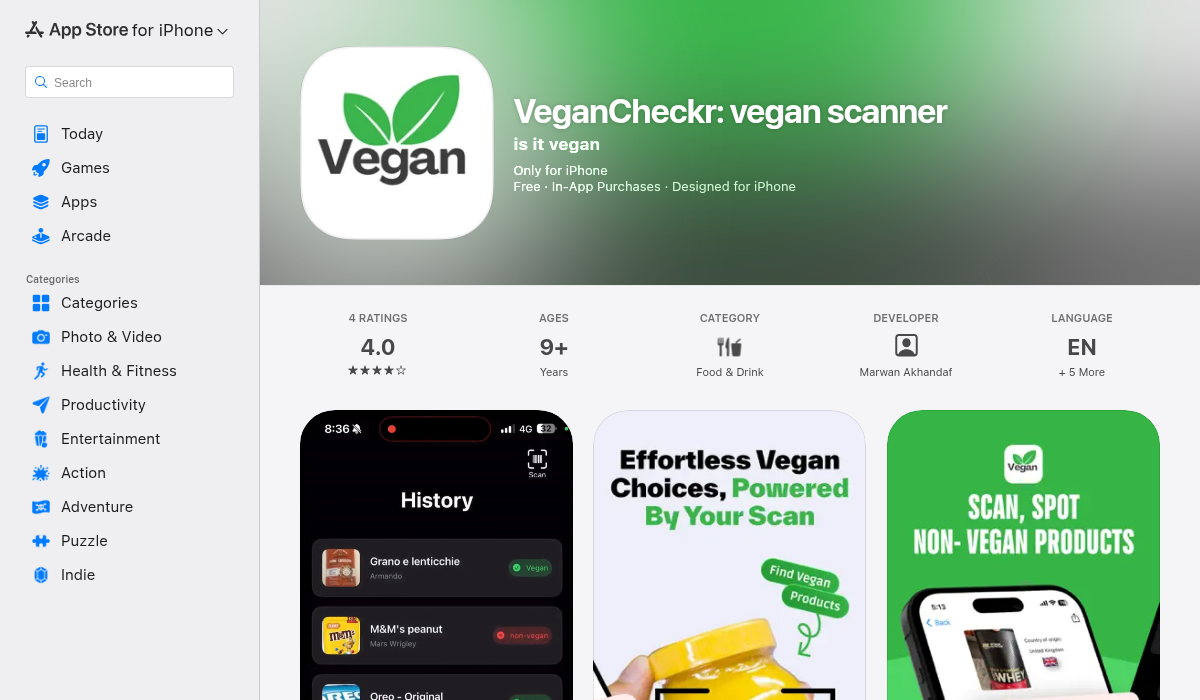
VeganCheckr scans products and flags any animal-derived ingredients, even the obscure ones. It also includes a vegan map showing plant-based restaurants and stores near you — useful when you're traveling.
Red Flags to Watch For
Here are the warning signs that a product might not be as healthy as it claims:
- Long ingredient lists — Real food doesn't need 40 ingredients
- Ingredients you can't pronounce — Some are fine, but be skeptical
- Multiple types of sugar — A classic hiding technique
- Health claims on the front — "Natural," "Light," and "Healthy" are often meaningless
- "Flavored" anything — "Strawberry-flavored" means there's probably no actual strawberry
- Extremely long shelf life — Heavy preservatives are usually involved
The "Made With" vs "Made From" Trick
This is a subtle but important distinction that catches many shoppers:
"Learn to look at food products labeling carefully. 'Made with 100%...' is very different to 'made from 100%...'"— Reddit user in r/LifeProTips
"Made with 100% real fruit" means the fruit used is real — but it could be 1% of the product. "Made from 100% fruit" means the entire product is fruit. The difference is massive, but the labels sound almost identical.
Understanding Date Labels
Food date labels cause confusion and massive food waste. Here's what they actually mean:
- "Sell by" — For the store, not you. Food is usually good for days or weeks after this date.
- "Best by" or "Best before" — About quality, not safety. The food is still safe to eat, just might not be at peak freshness.
- "Use by" — The only date that matters for safety. Don't eat after this date, especially for meat and dairy.
- "Freeze by" — Freeze before this date if you want to keep it longer.
Studies show that understanding these dates properly can reduce household food waste by 20% or more.
Practical Tips for Faster Label Reading
You don't need to spend 10 minutes analyzing every product. Here's how to get fast at label reading:
- Start with serving size — Adjust all numbers accordingly
- Check the first three ingredients — This is what the product mainly is
- Look for red flag words — Partially hydrogenated, high fructose, artificial
- Compare similar products — Two brands of the same item can have vastly different ingredients
- Use an app for complex products — Let technology do the heavy lifting for processed foods
The Bottom Line
Reading food labels is a skill that takes practice, but it pays off immediately. Once you know what to look for, you'll start noticing things you never did before — and making better choices becomes automatic.
For everyday products, the ingredients list tells you more than any marketing claim on the front. For specific dietary needs, apps like FoodCheckr, HalalFoodScan, or VeganCheckr can save hours of research and give you instant clarity on what's actually in your food.
The food industry spends billions making their products sound healthy. Spending a few extra seconds reading the real information is the best defense you have.