
Study Podcasts: How AI Turns Your Notes Into Audio Lessons
What if you could turn your lecture notes into a podcast and study while commuting, cooking, or working out?
That's no longer science fiction. AI tools in 2026 can transform any notes, PDFs, or transcripts into natural-sounding audio conversations — and students are using them to study smarter, not harder. Whether you're reviewing for finals or trying to absorb dense material without staring at a screen for hours, AI-generated study podcasts are changing how we learn.
Why Audio Learning Works for Students
Reading the same notes over and over gets tedious. Your brain starts to glaze over. But listening to that same content as a conversation between two people? That's a completely different experience.
Audio learning leverages something called dual coding — when you hear information presented conversationally, your brain processes it differently than when you read it silently. Plus, there's the practical advantage: you can study while doing other things. Commuting. Walking between classes. Doing laundry. Time that was previously "dead" becomes productive study time.
"I had a mix of typed notes and phone memos. To make sense of them, I dropped everything into an AI tool. It's basically a structured notepad with some AI assistance built in — and then it turned everything into a podcast I could listen to."— Reddit user in r/podcasting
This shift toward audio-based studying reflects a broader trend: students want passive learning options that fit their busy lives. Not everyone can sit at a desk for hours. But everyone has pockets of time throughout the day that could be used for review — if only the content was in the right format.
How AI Turns Notes Into Podcasts
The technology behind AI-generated study podcasts has improved dramatically. Here's how it typically works:
- Content Input — You provide your notes, PDFs, lecture transcripts, or any text-based study material.
- AI Analysis — The AI processes the content, identifying key concepts, relationships, and important details worth discussing.
- Script Generation — Instead of just reading your notes aloud, the AI creates a conversational script — often between two "hosts" who discuss the material naturally.
- Text-to-Speech — Advanced TTS voices bring the script to life with realistic intonation and natural pacing.
- Audio Output — You get a podcast episode you can listen to anywhere.
The conversational format is key. When you hear two people discussing a topic — asking questions, clarifying points, adding examples — it mimics how you'd learn from a study group. Except this study group is available 24/7, never gets tired, and always explains things clearly.
Comparing AI Study Podcast Tools
Several tools now offer notes-to-podcast conversion. Let's look at the main options and what makes them different.
1. Google NotebookLM — Audio Overviews
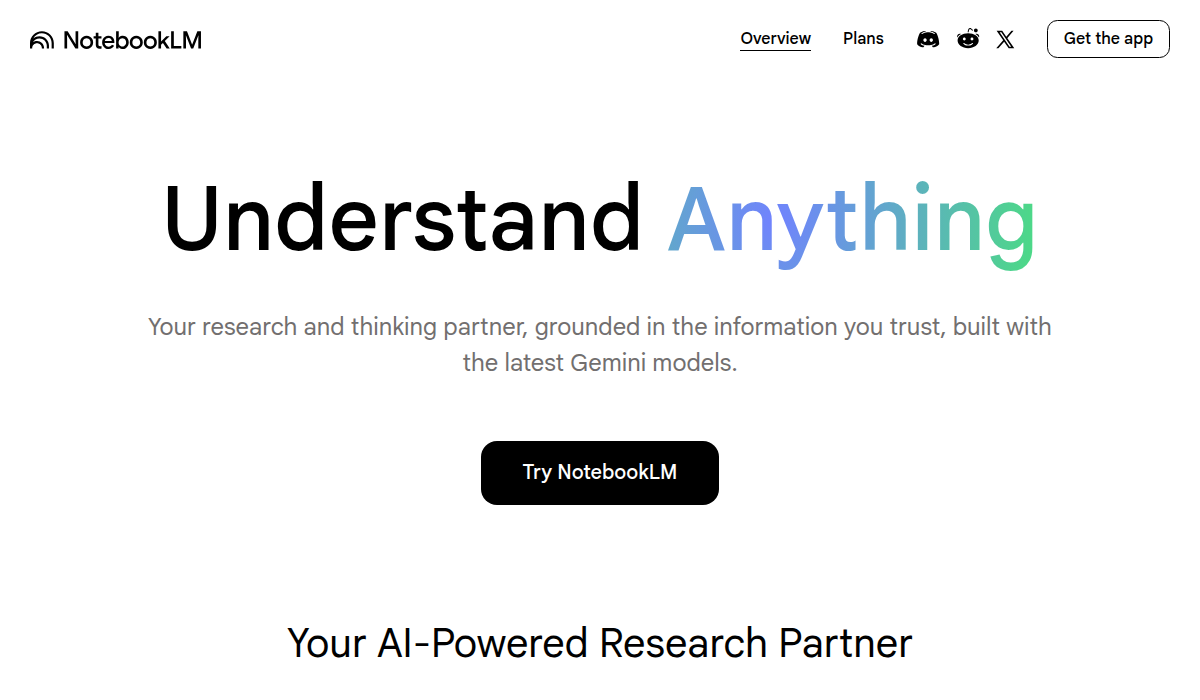
Google's NotebookLM introduced "Audio Overviews" in 2024, and it quickly became popular for turning documents into podcast-style discussions. You upload PDFs, Google Docs, or Slides, and the AI generates an audio summary with two hosts discussing the content.
- ✅ Free to use with Google account
- ✅ Supports multiple document types
- ✅ Good for quick overviews of research material
- ❌ Web-only — no mobile app
- ❌ Limited to existing documents (no lecture recording)
- ❌ No flashcards, quizzes, or other study tools
- ❌ Cannot customize voices or hosts
NotebookLM works well if you already have written documents and just want audio summaries. But it's a single-purpose tool — great at that one thing, limited beyond it.
2. MelonNote — AI Note Taker with Podcast Generator
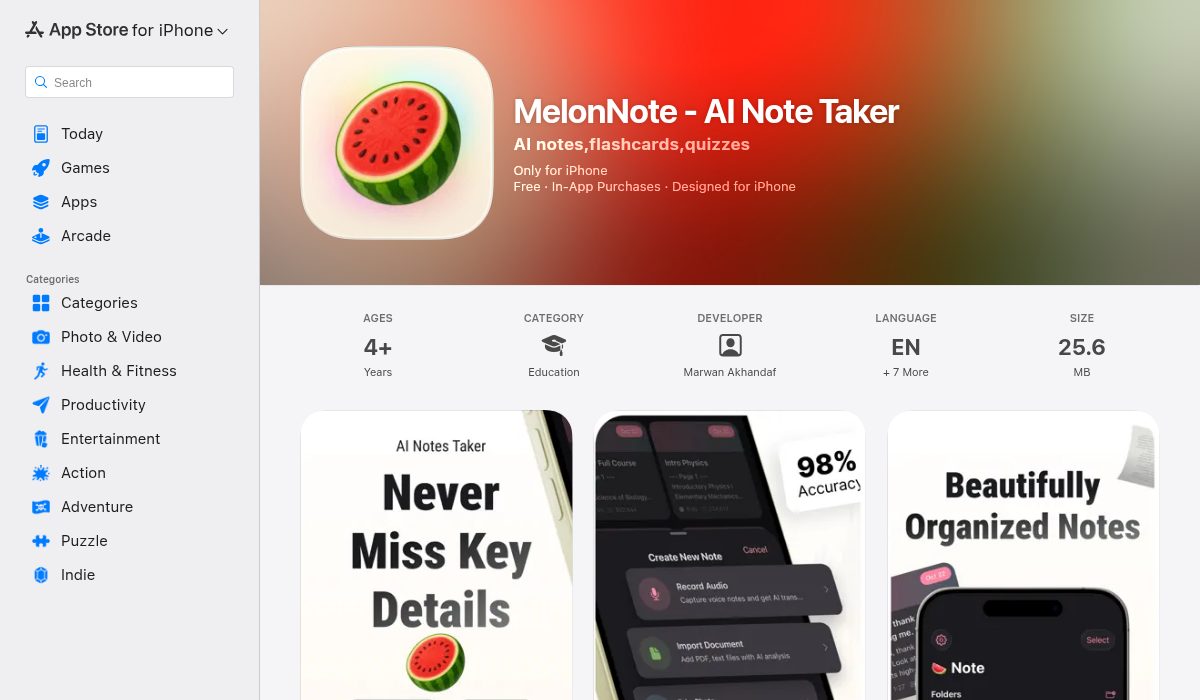
MelonNote takes a different approach: it's an all-in-one study app where podcast generation is one feature among many. Record lectures, import PDFs, snap photos of whiteboards — and then turn any of that content into podcasts, flashcards, quizzes, or get help from an AI tutor.
- ✅ Records lectures with AI transcription
- ✅ Imports PDFs and analyzes photos
- ✅ Generates podcasts with 16+ voice options
- ✅ Customizable hosts (names, duration, style)
- ✅ Also generates flashcards and quizzes
- ✅ AI tutor to ask questions about your notes
- ✅ Mobile app (iOS and Android)
- ✅ Affordable ($3.99/month)
- ❌ Requires subscription for unlimited use
What makes MelonNote stand out is the workflow integration. You're not just converting documents to audio — you're building your entire study system in one place. Record a lecture, get it transcribed, generate a summary, create flashcards, make a quiz to test yourself, and then generate a podcast for passive review. Everything connects.
3. Other Tools Worth Mentioning
Podcastle AI Studio excels at audio production quality but is designed for podcast creators, not students. It doesn't integrate with note-taking or study workflows.
BeFreed focuses on personalized AI learning with proactive features, but it's newer and less established than the options above.
MapBrain can turn audio into mind maps and transcripts — the reverse direction — which is useful for processing existing podcasts but not for creating study audio from your notes.
Why MelonNote's Approach Makes Sense for Students
Most students don't just need one thing. They need to record lectures, organize notes, create study materials, test themselves, and review efficiently. Using separate apps for each task creates friction — you're constantly switching contexts, copying content between apps, and losing time.
MelonNote's podcast feature is powerful because it's integrated into a complete study workflow:
- Capture — Record a lecture or import existing materials
- Process — AI transcribes and summarizes automatically
- Study — Generate flashcards and quizzes
- Understand — Ask the AI tutor questions about confusing concepts
- Review — Turn everything into a podcast for passive study
You can even have a real-time voice conversation with the AI about your notes — like a study buddy who's read everything and is always available to discuss.
How to Get the Most from AI Study Podcasts
Generating the podcast is just the first step. Here's how to maximize the learning value:
1. Listen Actively the First Time
Don't just put it on in the background for your first listen. Pay attention, mentally engage with the concepts, and notice what makes sense versus what still confuses you. This identifies gaps in your understanding.
2. Use Passive Listening for Reinforcement
After that first active listen, let it play in the background during other activities. Repetition strengthens memory, and passive exposure keeps concepts fresh without requiring dedicated study time.
3. Pair Audio with Active Study Methods
Podcasts shouldn't replace active studying — they should supplement it. Use them alongside flashcards and practice quizzes. MelonNote makes this easy since all these features are in one app.
4. Generate Podcasts for Different Purposes
Create a quick 5-minute overview for daily commutes. Generate a longer, more detailed discussion before exams. Different contexts call for different depths of coverage.
5. Customize for Your Learning Style
If certain voices or presentation styles work better for you, adjust the settings. MelonNote offers 16+ voices and lets you customize host names, duration, and whether you want dialogue or monologue format.
The Bigger Picture: AI Study Tools Are Changing Everything
AI-generated study podcasts are part of a larger shift in how students learn. We're moving from passive consumption (reading textbooks, highlighting passages) to active, AI-assisted workflows (generating quizzes, having conversations with AI tutors, listening to personalized audio content).
The students who figure out these tools early will have a significant advantage. They'll spend less time on low-value activities (like manually creating flashcards) and more time on high-value ones (like actually understanding the material).
"Google just launched Audio Overviews in NotebookLM, a feature that transforms your notes, PDFs, Google Docs, Slides, and more into AI-generated podcasts. This is wild."— Reddit user in r/AIAssisted
The technology is only going to get better. Voices will become more natural. AI will get better at identifying what's important to discuss. Integration with study workflows will deepen. Now is the time to start experimenting with these tools and finding what works for your learning style.
The Bottom Line
AI-powered study podcasts transform how students review material. Instead of re-reading notes for the hundredth time, you can listen to natural conversations about your course content — while walking, commuting, exercising, or doing anything else.
For single-document audio summaries, Google NotebookLM is a solid free option. But for students who want a complete study system — recording lectures, generating transcripts, creating flashcards and quizzes, and turning everything into podcasts — MelonNote offers a more integrated solution at a price that won't break a student budget.
The future of studying isn't about working harder. It's about working smarter with AI tools that adapt to how you actually learn. Podcast-style audio review is one piece of that puzzle — and it's a piece that fits into time slots that would otherwise go unused.