
Wine Vinegar in Food: Halal or Haram? The Complete Islamic Guide
You're standing in the grocery aisle, examining a salad dressing label, when you spot it: "white wine vinegar." Your stomach drops. Is this halal? Can you eat it? The confusion is real—and you're not alone.
This is one of the most common questions Muslims face when grocery shopping. Wine vinegar appears in everything from salad dressings to pickles, marinades to condiments. The word "wine" triggers instant concern, but the answer isn't as straightforward as you might think. In fact, the ruling on wine vinegar has been discussed by Islamic scholars for over 1,400 years.
Let's break down what Islamic sources actually say about wine vinegar, explore the science behind the transformation, and show you how to navigate this confidently.
The Confusion Around Wine Vinegar
Walk into any Muslim online community and you'll find heated debates about this topic. Some say it's completely haram because it comes from wine. Others argue it's perfectly halal because the alcohol has transformed into something entirely different.
"I've always thought that wine vinegar is haram. However, a while ago I was buying some natural apple vinegar, and I started researching this topic more deeply."— Reddit user in r/islam
The confusion stems from a fundamental misunderstanding of what vinegar actually is—and what happens during the transformation process. When alcohol turns into vinegar, it doesn't just become "wine with less alcohol." It becomes an entirely different substance chemically, legally, and according to most Islamic scholars.
"Vinegar by definition comes from 'gone off' wine. So no problem with any kind of vinegar."— Reddit user in r/MuslimLounge
What Islamic Sources Say About Vinegar
The Prophet Muhammad ﷺ didn't just permit vinegar—he actually praised it. Multiple authentic hadith record his appreciation for this condiment.
"What an excellent condiment vinegar is."— Prophet Muhammad ﷺ (Sahih Muslim 2052)
Another narration in Sahih Bukhari (5205) describes how the Prophet ﷺ ate vinegar with bread. This is significant because vinegar in 7th century Arabia was almost exclusively made from dates or grapes—the same fruits used to make wine. The Prophet ﷺ knew exactly what vinegar was and where it came from, yet he consumed and praised it.
The Hadith That Causes Confusion
There is a hadith that initially seems to contradict this. In Sahih Muslim, Anas ibn Malik reported that Allah's Messenger ﷺ was asked whether wine could be changed to be used as vinegar. He said: "No (it is prohibited)."
This hadith seems clear-cut at first glance. But Islamic scholars have spent centuries analyzing its meaning. The majority interpretation is that this prohibition refers specifically to intentionally keeping wine for the purpose of converting it to vinegar—not to consuming vinegar that has already transformed, whether naturally or commercially.
The Four Schools of Thought
All four major schools of Islamic jurisprudence (madhahib) agree that vinegar is halal. The nuanced differences lie in how the vinegar was created:
- Hanafi School: Wine vinegar is halal regardless of whether the transformation was natural or intentional. Additionally, Hanafis hold that alcohol not derived from grapes or dates (such as from apples or grains) doesn't have the same ruling as grape/date wine.
- Maliki School: Vinegar is halal if the transformation occurred naturally. There's scholarly discussion about intentional conversion.
- Shafi'i School: Similar to Maliki—natural transformation makes vinegar pure and halal.
- Hanbali School: Vinegar is pure and halal when the transformation is complete.
"All schools of thought agree that alcohol (of any source) that turns into vinegar naturally is halal. The difference in opinion comes over turning alcohol to vinegar manually."— Reddit user in r/islam
The Science: What Actually Happens to the Alcohol?
Understanding the chemistry helps clarify the Islamic ruling. When wine becomes vinegar, it undergoes a process called acetification. Bacteria (Acetobacter) consume the ethanol (alcohol) and convert it into acetic acid—the compound that gives vinegar its sour taste and preservative properties.
This isn't a minor change. The alcohol is literally destroyed and transformed into a completely different chemical compound:
- Wine: Contains ethanol (C₂H₅OH)—the intoxicating substance
- Vinegar: Contains acetic acid (CH₃COOH)—a non-intoxicating preservative
In Islamic jurisprudence, this type of complete transformation is called istihalah (استحالة)—meaning the substance has fundamentally changed its nature. Just as wheat transforms into bread through baking, wine transforms into vinegar through bacterial action.
Modern commercial vinegar production accelerates this natural process but achieves the same chemical result. The end product contains 4-8% acetic acid and negligible amounts of residual alcohol—typically 0.1-0.2%, which is lower than what naturally occurs in ripe fruit or bread.
What About "Alcohol Vinegar" and Other Types?
You might see various types of vinegar on ingredient labels:
- Wine Vinegar (red wine, white wine, champagne vinegar)
- Alcohol Vinegar (spirit vinegar)
- Apple Cider Vinegar
- Balsamic Vinegar
- Rice Vinegar
- Malt Vinegar
All of these undergo the same istihalah process. The alcohol—regardless of its source—is converted into acetic acid. According to the scholarly consensus, all vinegars are halal once the transformation is complete.
How to Check Products with Confidence
Even knowing the ruling, it can feel overwhelming to check every product. The ingredient lists are often long, and vinegar might be listed under various names. This is where technology can help.
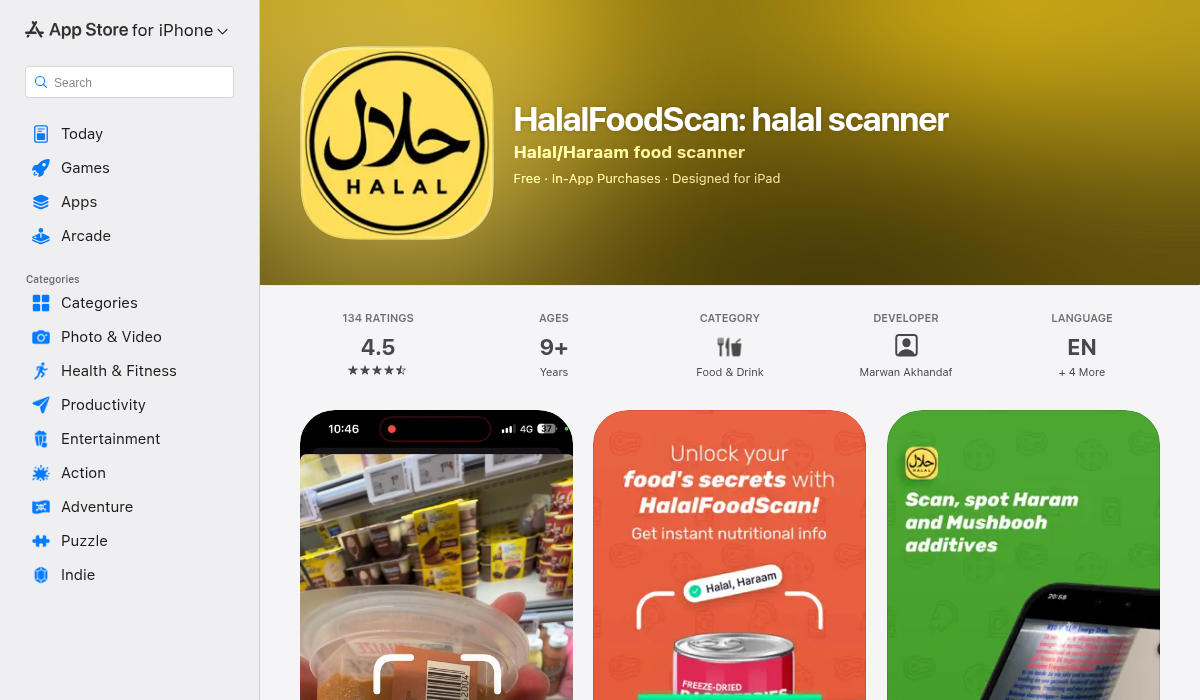
HalalFoodScan was built specifically for Muslims who want clarity about their food. What makes it particularly useful for vinegar-related questions is its dedicated Vinegar Detection feature that provides detailed explanations about vinegar halal status.
The app lets you:
- ✅ Scan product barcodes for instant Halal/Haram/Mushbooh status
- ✅ Get detailed explanations for vinegar-containing products
- ✅ View additive analysis with E-number classifications
- ✅ Access ingredient insights with source information
For products not in the database, you can scan the back of the package and the AI will analyze all additives, identifying anything that requires attention.
Common Products with Wine Vinegar
Wine vinegar is more common than you might realize. Here's where you'll typically find it:
- Salad Dressings: Vinaigrettes, Italian dressing, balsamic glazes
- Condiments: Mustard (especially Dijon), some ketchups, barbecue sauces
- Pickles: Cornichons, pickled vegetables, antipasti
- Marinades: Many pre-made marinades for meat and poultry
- Sauces: Hollandaise, béarnaise, some pasta sauces
- Chips/Crisps: Salt and vinegar flavoring often uses wine vinegar
Now that you understand the ruling, you can approach these products with knowledge rather than anxiety.
Pro Tips for Confident Halal Shopping
- Distinguish Between Wine and Wine Vinegar — Wine as an ingredient is not the same as wine vinegar. Actual wine (for cooking or drinking) remains haram because it hasn't undergone istihalah. Wine vinegar has completely transformed.
- Check Alcohol Content — True vinegar contains negligible alcohol (under 0.5%). If a product lists actual alcohol content above this, it may contain wine that hasn't fully converted.
- Use Technology — Apps like HalalFoodScan can quickly verify products and explain the reasoning, saving you time and providing peace of mind.
- Understand "Mushbooh" — Some products are classified as "mushbooh" (doubtful) not because of vinegar, but because of other ingredients like gelatin or certain E-numbers. Vinegar itself is not mushbooh.
- When in Doubt, Research the Source — If you're following a stricter interpretation, you can look for vinegars made from naturally fermented fruits where the transformation happened without intentional wine production.
What About Cooking with Wine (Not Vinegar)?
This is a separate issue that often gets confused with the vinegar discussion. Cooking with actual wine—even though some alcohol evaporates—is a different ruling because:
- Not all alcohol evaporates during cooking (studies show 4-85% remains depending on cooking method)
- The wine hasn't undergone complete istihalah into a different substance
- You're intentionally using an intoxicant as an ingredient
Wine vinegar in a recipe is fundamentally different from wine in a recipe. One has transformed; the other hasn't.
The Bottom Line
The scholarly consensus across all four major schools of Islamic jurisprudence is clear: vinegar is halal, including wine vinegar. The transformation (istihalah) that occurs when alcohol converts to acetic acid creates a completely different substance—one that the Prophet ﷺ himself praised as "an excellent condiment."
The anxiety many Muslims feel about wine vinegar often stems from the word "wine" rather than understanding what the product actually is. Armed with this knowledge, you can shop with confidence, knowing that the ingredient label "wine vinegar" doesn't mean the product contains wine or alcohol in the Islamic sense.
For quick verification of any product and detailed explanations of ingredients, HalalFoodScan provides instant clarity—including its specialized vinegar detection feature that addresses this exact question.
Note: For specific religious rulings (fatwa), always consult with qualified Islamic scholars or your local imam. This article provides general information based on recognized Islamic sources including Sahih Muslim, Sahih Bukhari, and the scholarly consensus of the four major schools of jurisprudence.